
 Yeni Baskı

Step-by-Step Design Methods 6th Edition
Yazar: Kari Jormakka,
Brand: YEM Yayın
Basım Tarihi: Mart 2025
Basım Dili: ["Turkish"]
Sayfa Sayısı: 84Boyut: 15.5 x 22.0 cm
Out Of Stock
9786257008396
Product Description
YEM Yayın has published its "Step by Step" series, which has been eagerly awaited for some time and serves as a fundamental reference for students of architecture, interior architecture, and landscape architecture.
The series, consisting of four books titled Design Ideas - Design Methods - Structural Systems - Building Materials, is recommended to be read together for narrative integrity and is complementary in terms of content. Its aim is to meticulously outline the fundamental problems encountered during the processes in different activities and specialized areas of the architectural discipline, the factors affecting these processes, and the main approaches and principles developed for solutions, with easy-to-understand explanations and insightful suggestions.
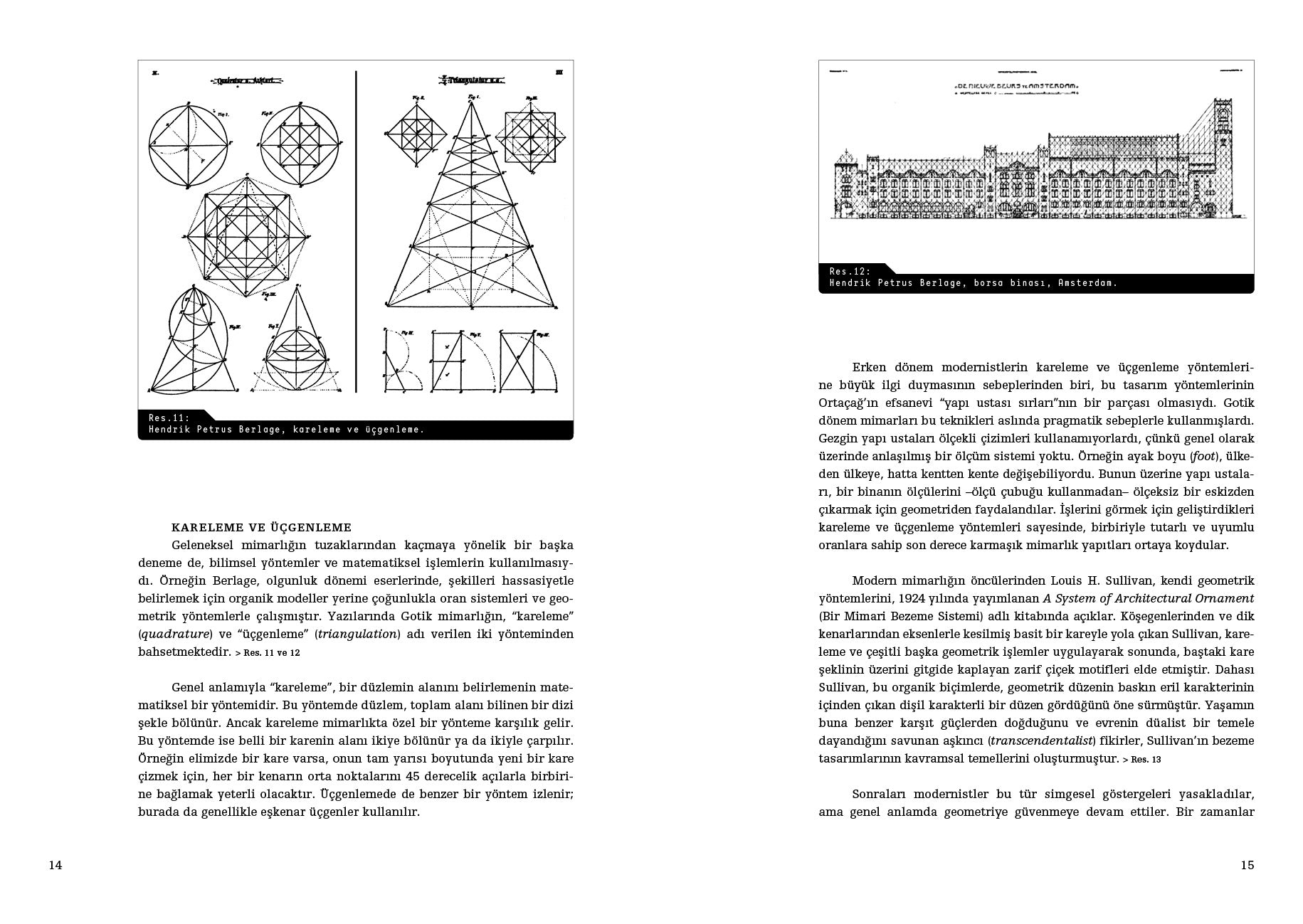
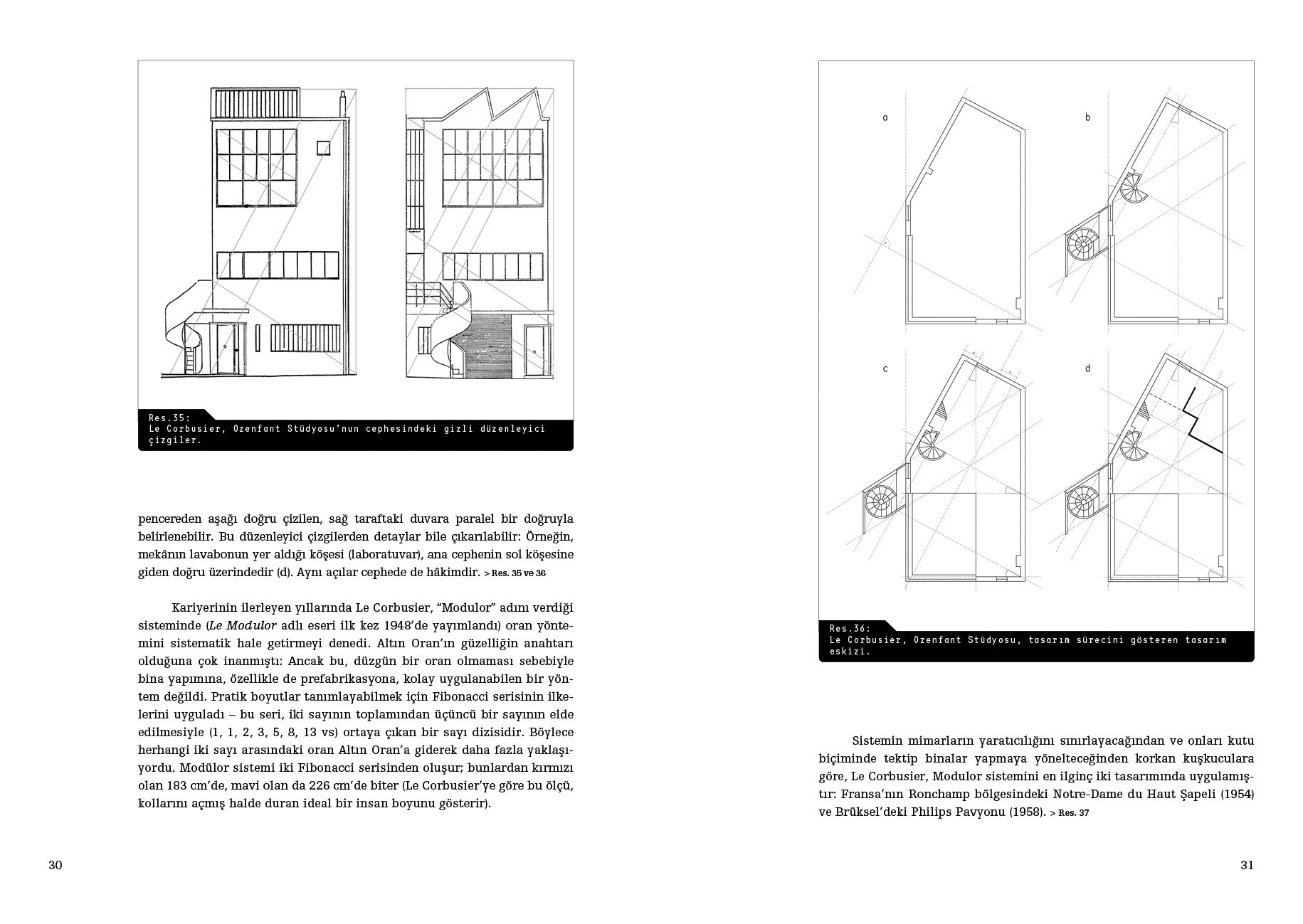
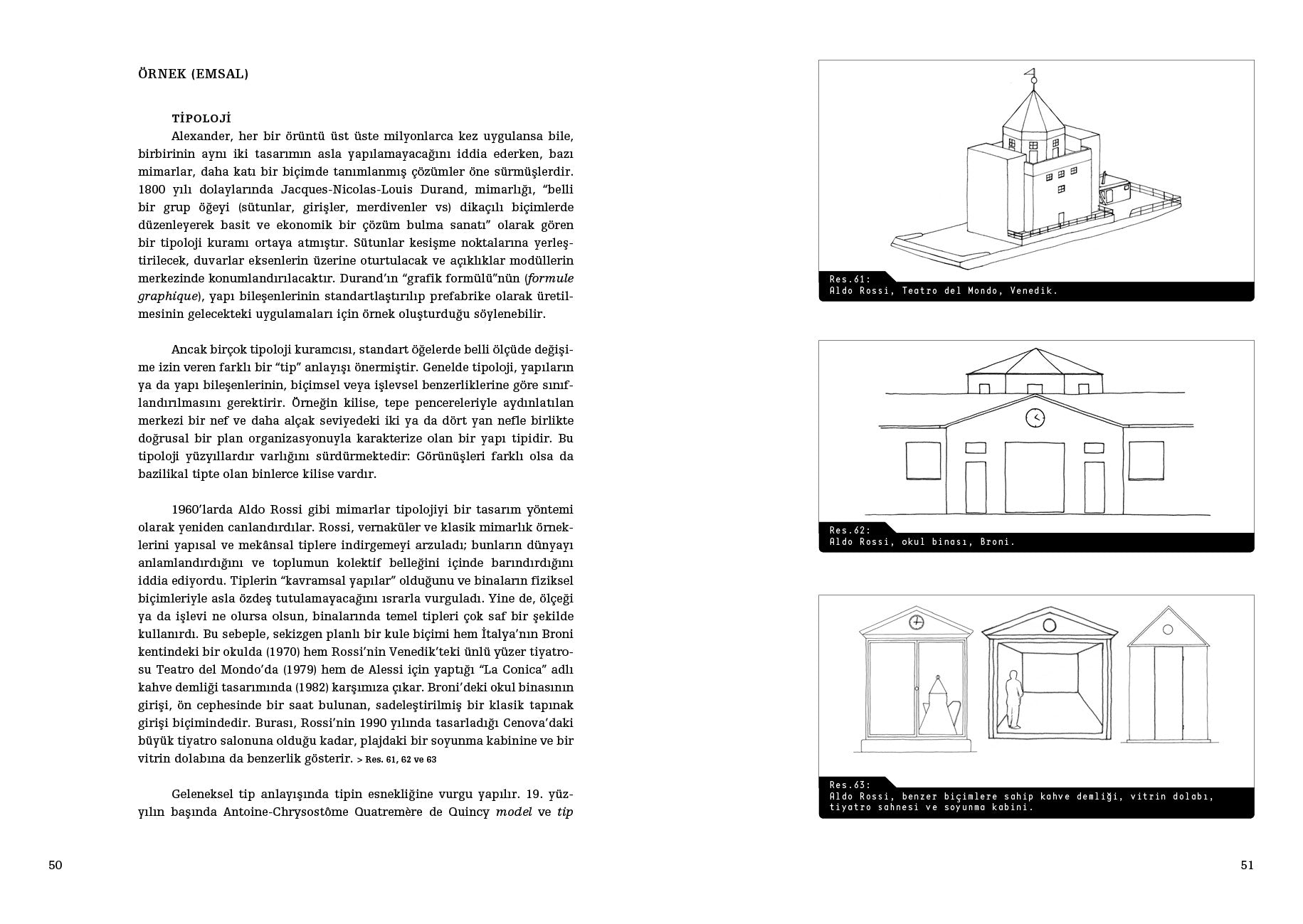
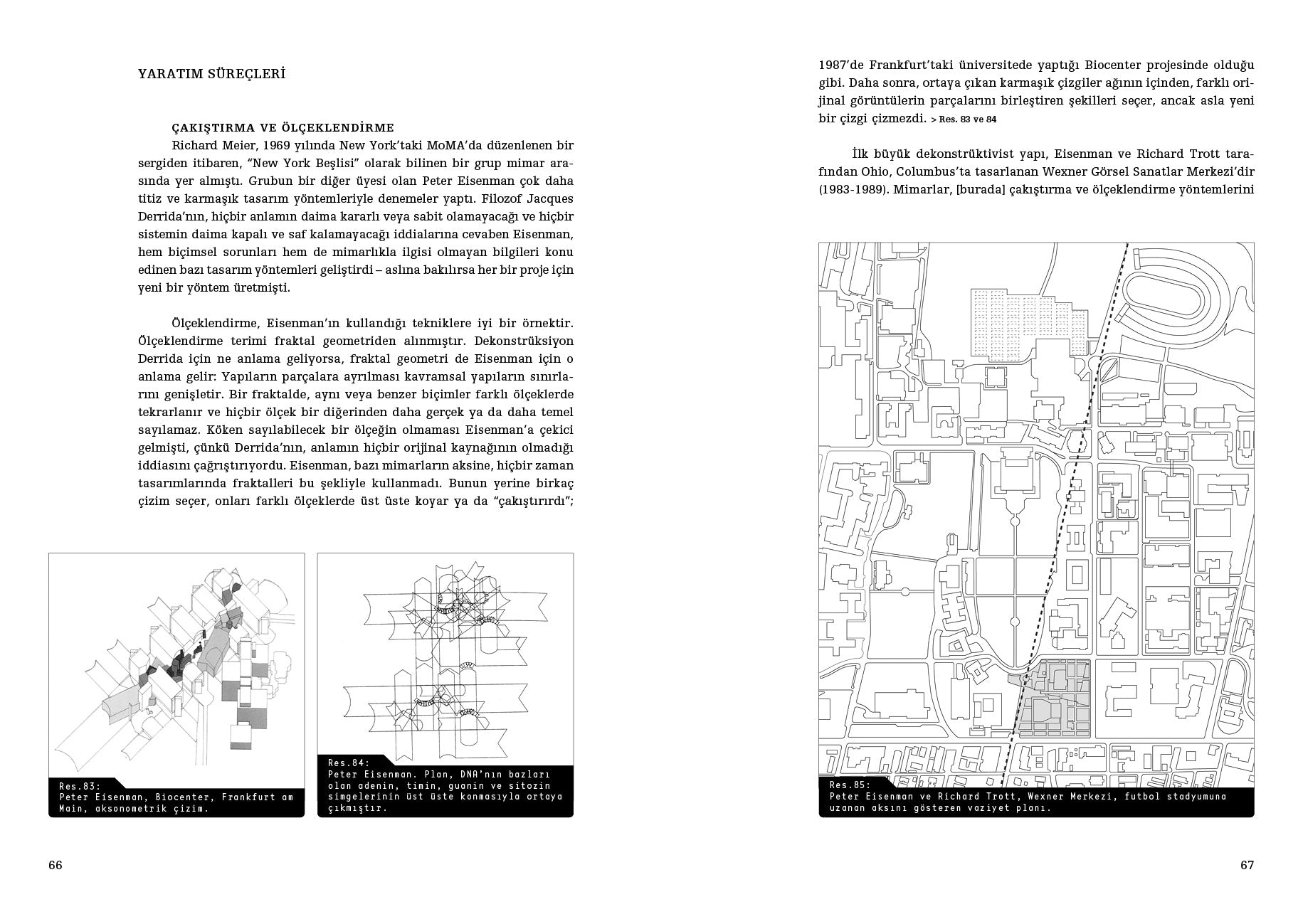
The first book in the series, "Design Ideas," focused on the initial stage of the architectural design process, offering suggestions and tips to help designers generate ideas for solving a design problem. This second book, titled "Design Methods," builds upon the results of "Design Ideas" and explores in detail a range of design methods that designers can utilize when solving a design problem. Developed from approaches based on geometry and the natural environment, music and mathematics, subconscious and rational sources, and creative processes, these approaches are often illustrated with examples from well-known buildings, and architectural drawings of buildings are used to demonstrate how architects arrived at specific solutions. The book, which does not aim to impose a particular design method, emphasizes an effort to provide a general understanding of the methodology of architecture and architectural design.
Bert Bielefeld, who prepared the book for publication, shares his views on the book as follows:
“This book builds upon the results of 'Step by Step Design Ideas,' which describes the inspirations and stimuli that drive the design process, and primarily presents certain design methods that are based on specific rules rather than intuition. The authors' aim is to offer the reader various methods and encourage them to examine familiar concepts and known architects in more detail. The book describes some approaches developed from geometry and the natural environment, music and mathematics, subconscious and rational sources, and creative processes. To explain these methods, examples from well-known buildings are provided: the plans and sections of these buildings have been analyzed to show how architects achieved specific solutions. Since it has a didactic concept largely based on examples from architectural history (in this respect, it differs from other books in the 'Step by Step' series), the book does not use the typical formal features of the series in order not to disrupt the flow of the text.
'Step by Step Design Methods,' adapted to the structure of architectural studies, primarily targets senior and graduate architecture students who want to learn more about design methods. The book does not aim to impose a particular design method; instead, it aims to provide a range of practical design tools that can be used to solve design problems based on specific requirements.”
Author Kari Jormakka, who co-wrote the book with Oliver Schürer and Dörte Kuhlmann, states:
“...This book examines various methods of designing in architecture with examples to identify the strengths and weaknesses of each. Many of these have been developed recently, while some have been part of architects' toolkits for centuries. Many theorists have argued that they offer a universal method applicable to all structures on Earth. However, there are also very valid reasons to argue that a certain method is not the single correct method that can be applied to every project. Therefore, it is important to choose the most appropriate method to solve a particular design problem. Being familiar with many methods provides the designer with great flexibility. However, a method is not a machine that will automatically solve design problems: it does not relieve the designer of the effort of solving problems encountered in design, but rather enables the designer to focus on the problems...”
