
Glass Architecture
770.00TL
1,100.00TL
%30 İndirimli
Yazar: Paul Scheerbart
Brand: Arketon Yayınları
Basım Tarihi: Şubat 2024
Basım Dili: ["English"]
Sayfa Sayısı: 156Boyut: 15.5 x 23.5 cm
In stock
9786259443102
Product Description
Glass Architecture, dedicated to Bruno Taut,
is back on the shelves with a new edition...
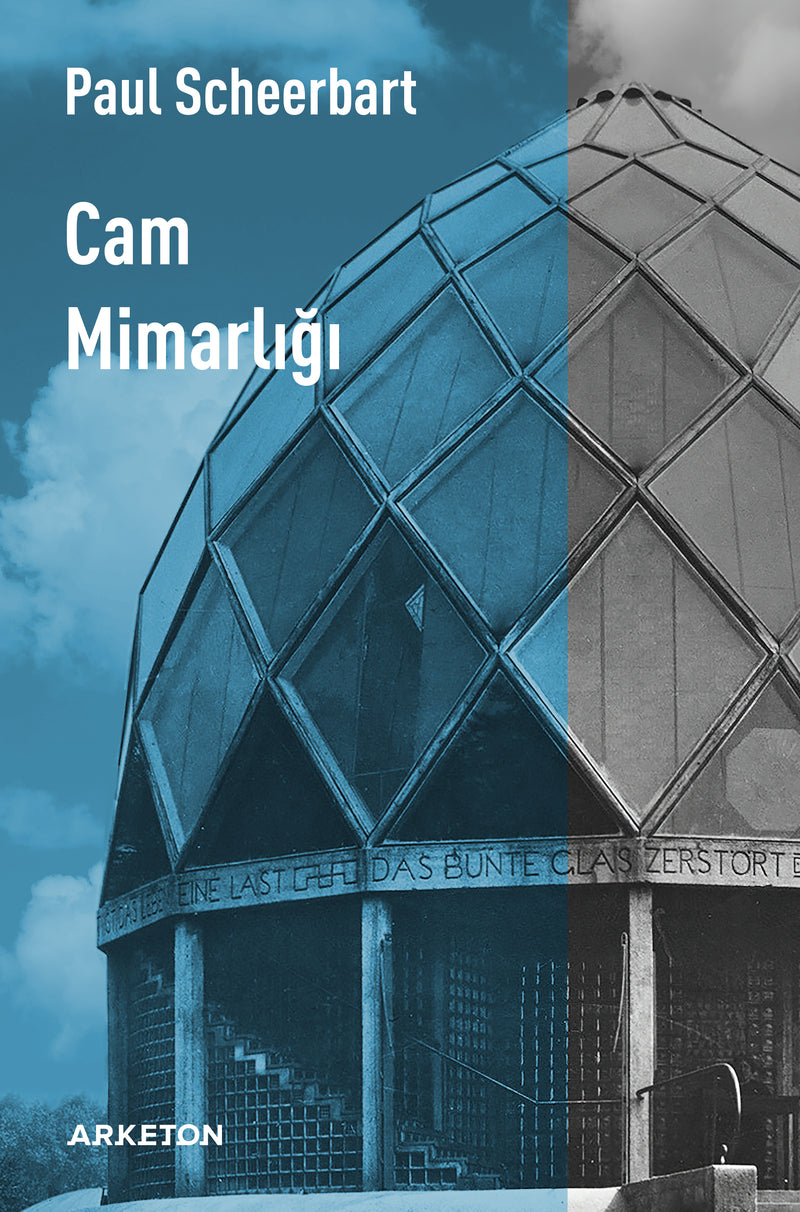
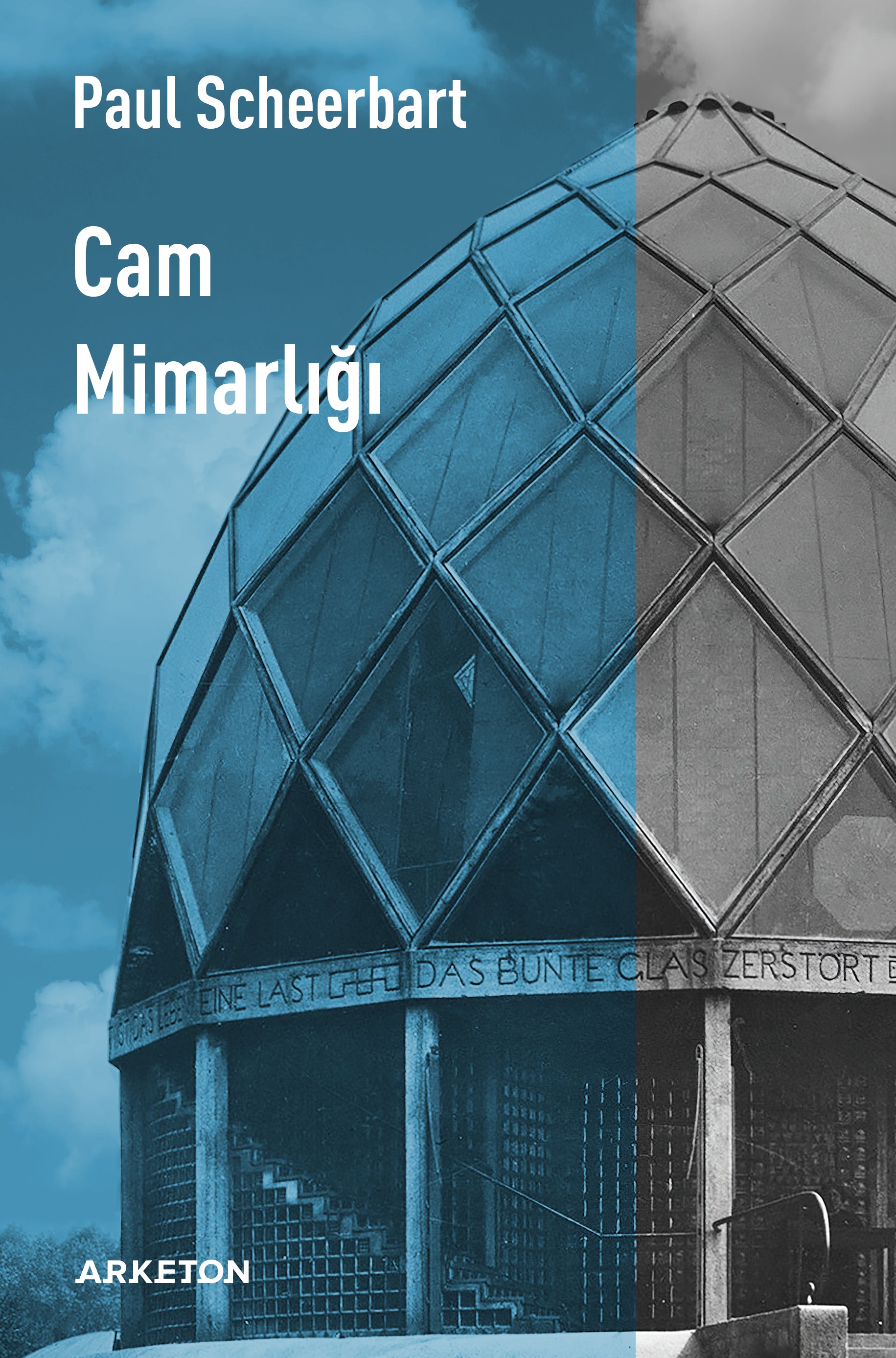
Paul Scheerbart's Glass Architecture, dedicated to Bruno Taut and translated into Turkish by Hüseyin Tüzün, is back on the shelves with a new edition. Scheerbart's Glass Architecture, written in 1914, made a significant impact, and Bruno Taut, in the same year, dedicated his famous Glass House to Scheerbart. It is known that Walter Benjamin also frequently mentioned this book in his writings. Benjamin's text titled "Experience and Poverty," also translated by Hüseyin Tüzün, is included as a preface in the book.
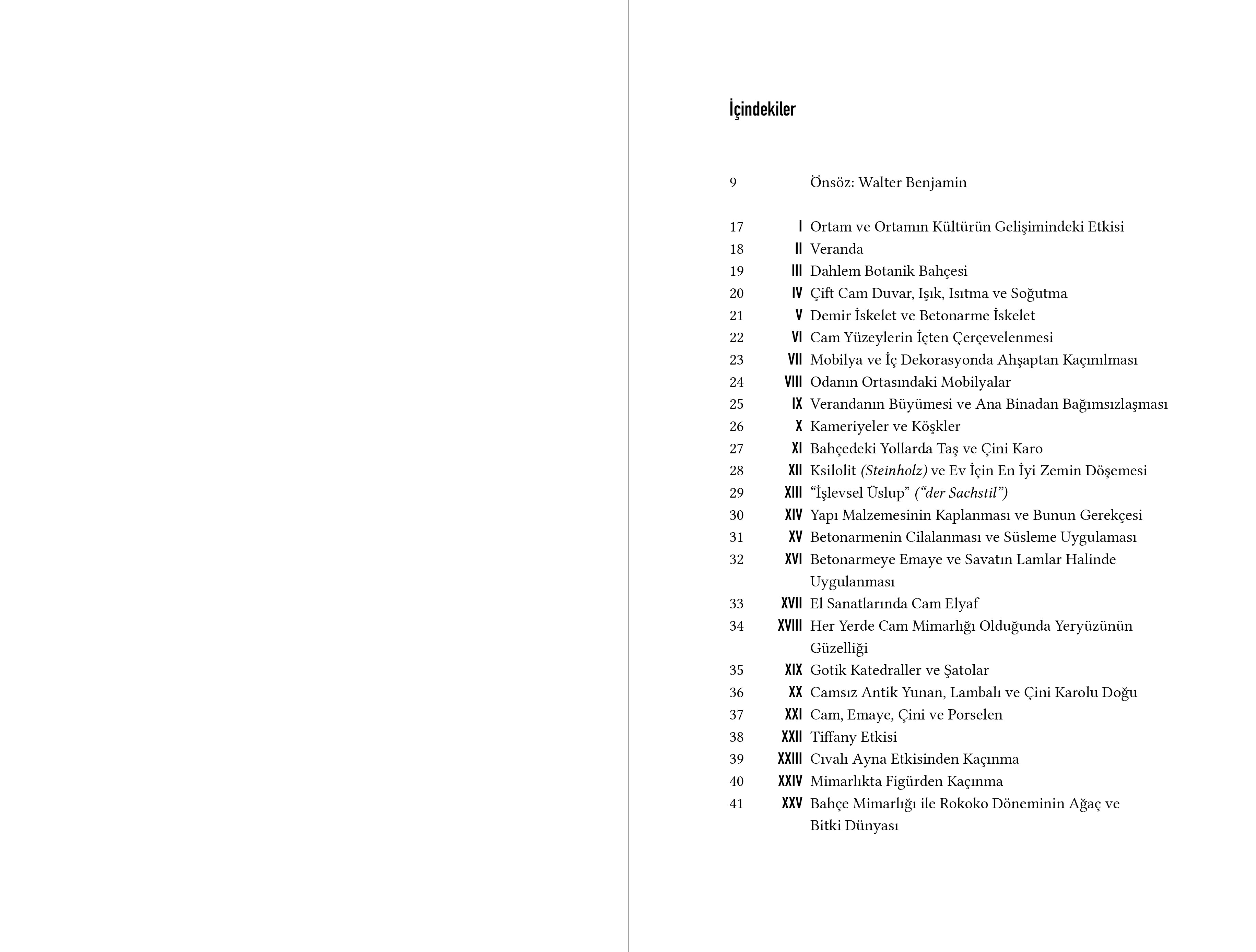
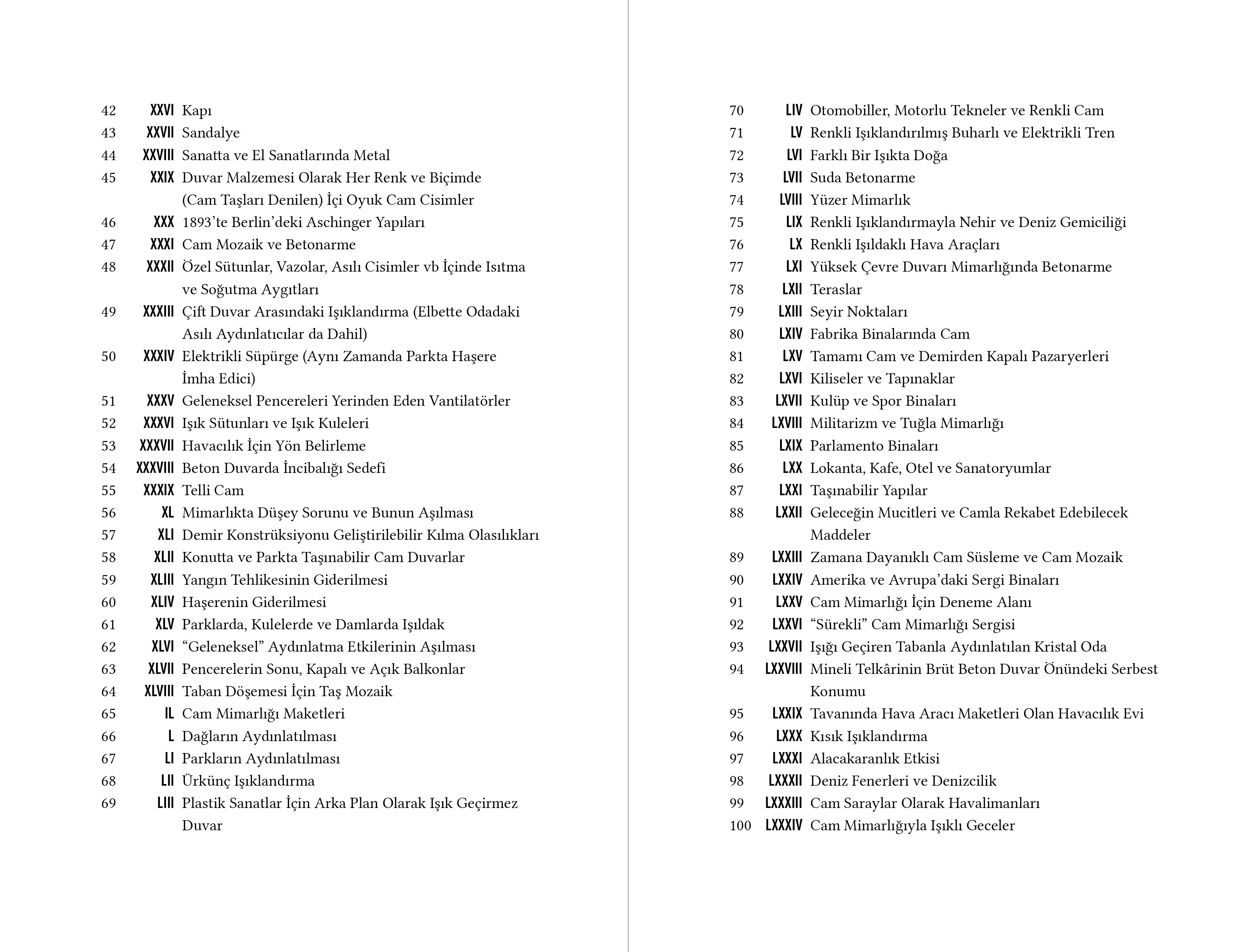
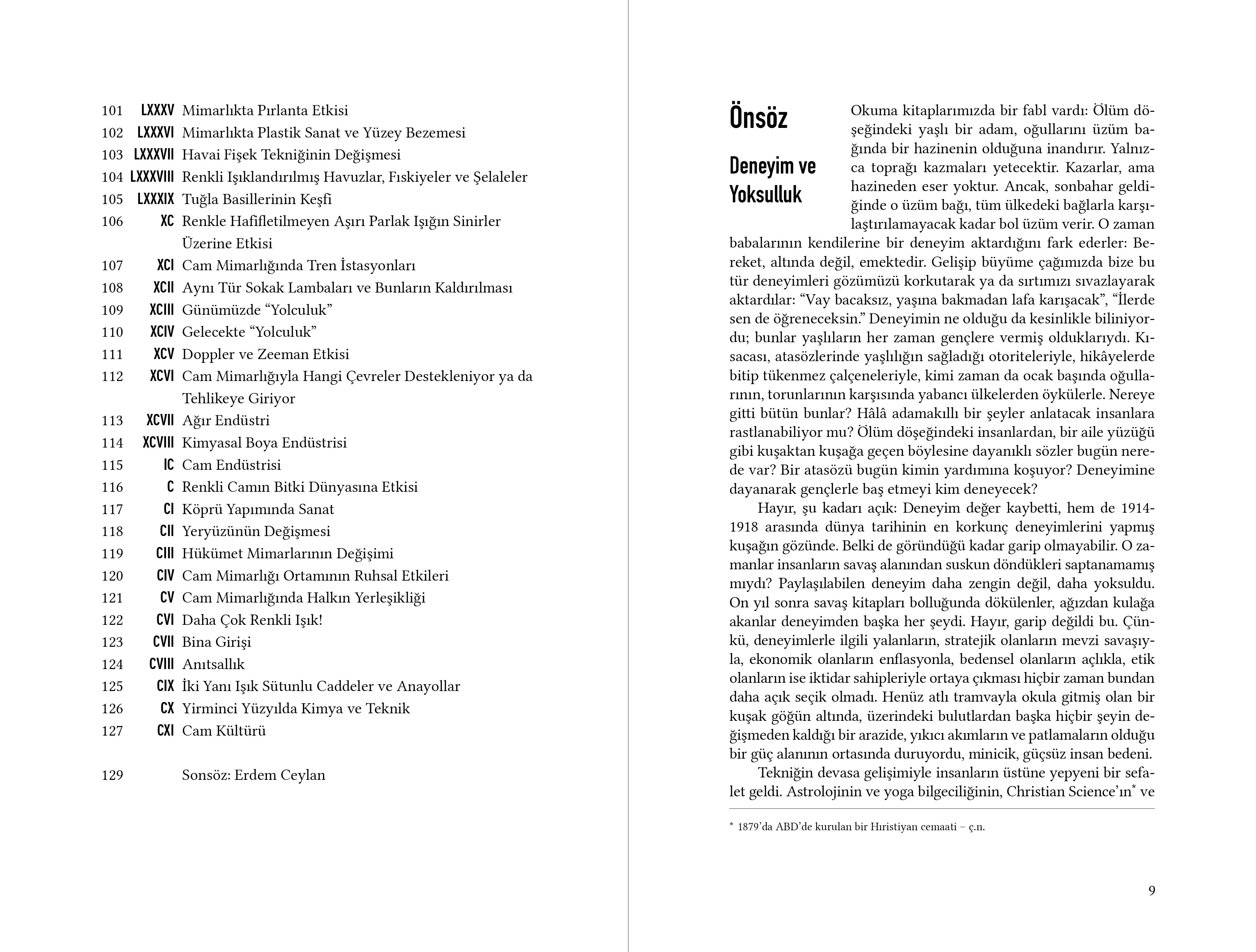
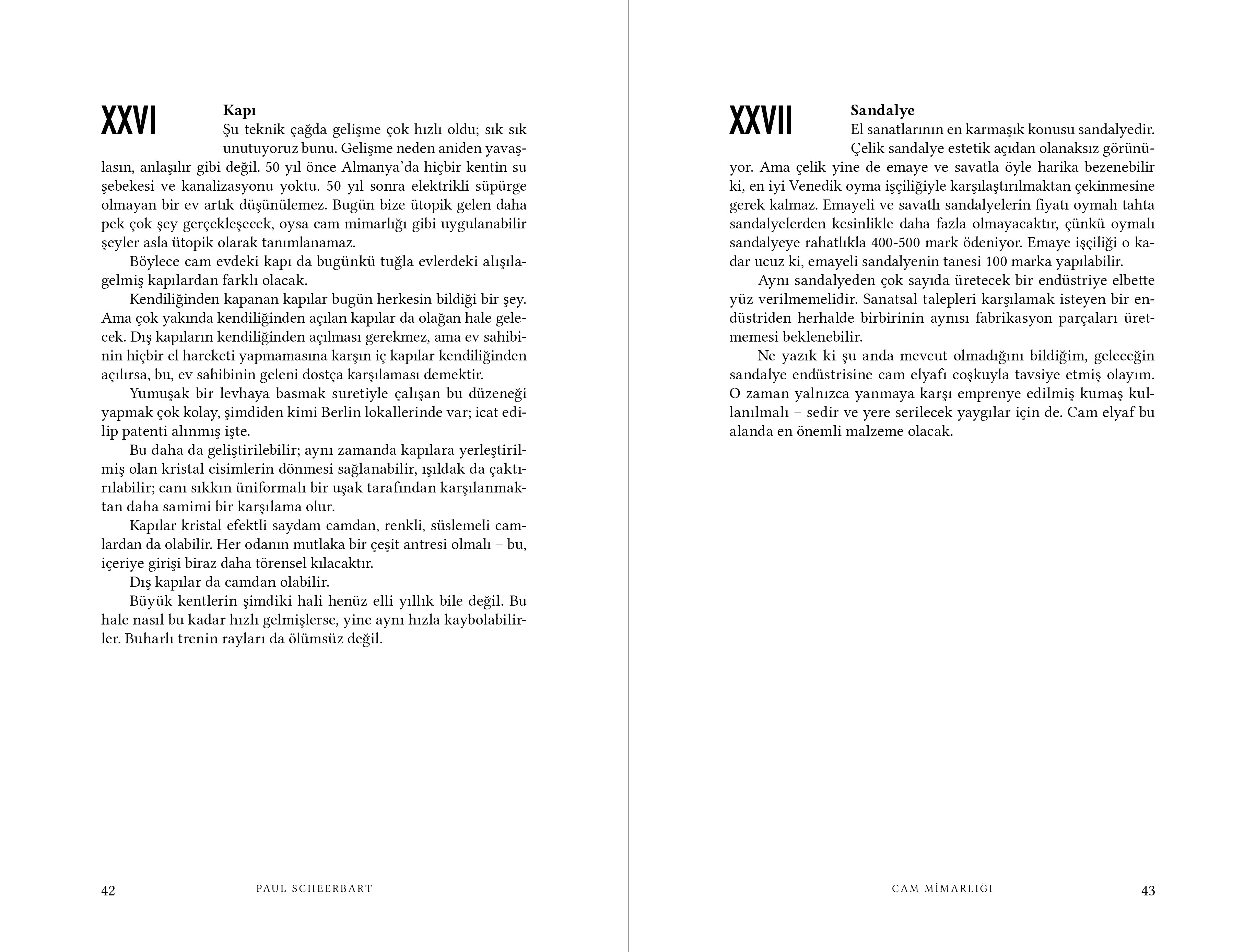
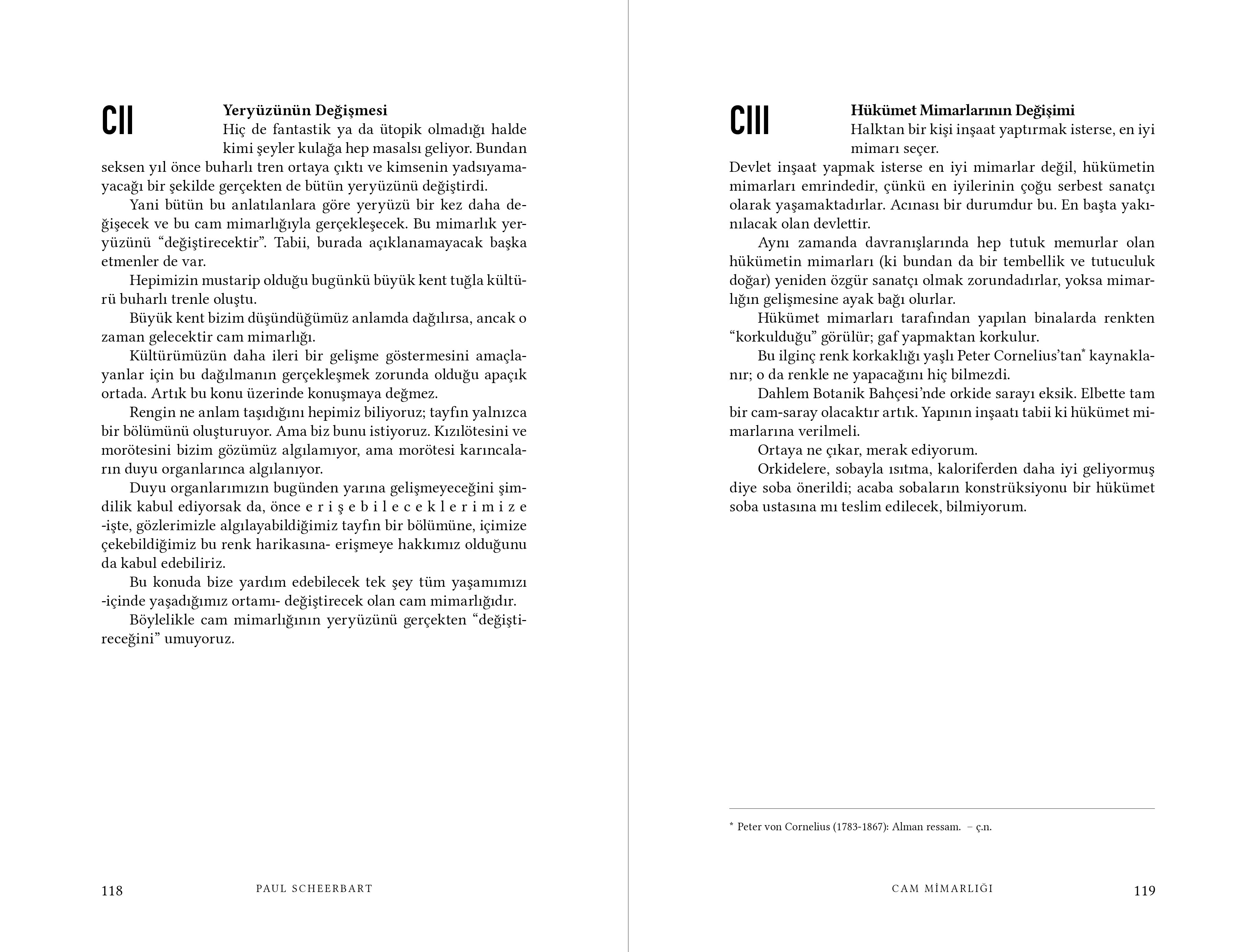
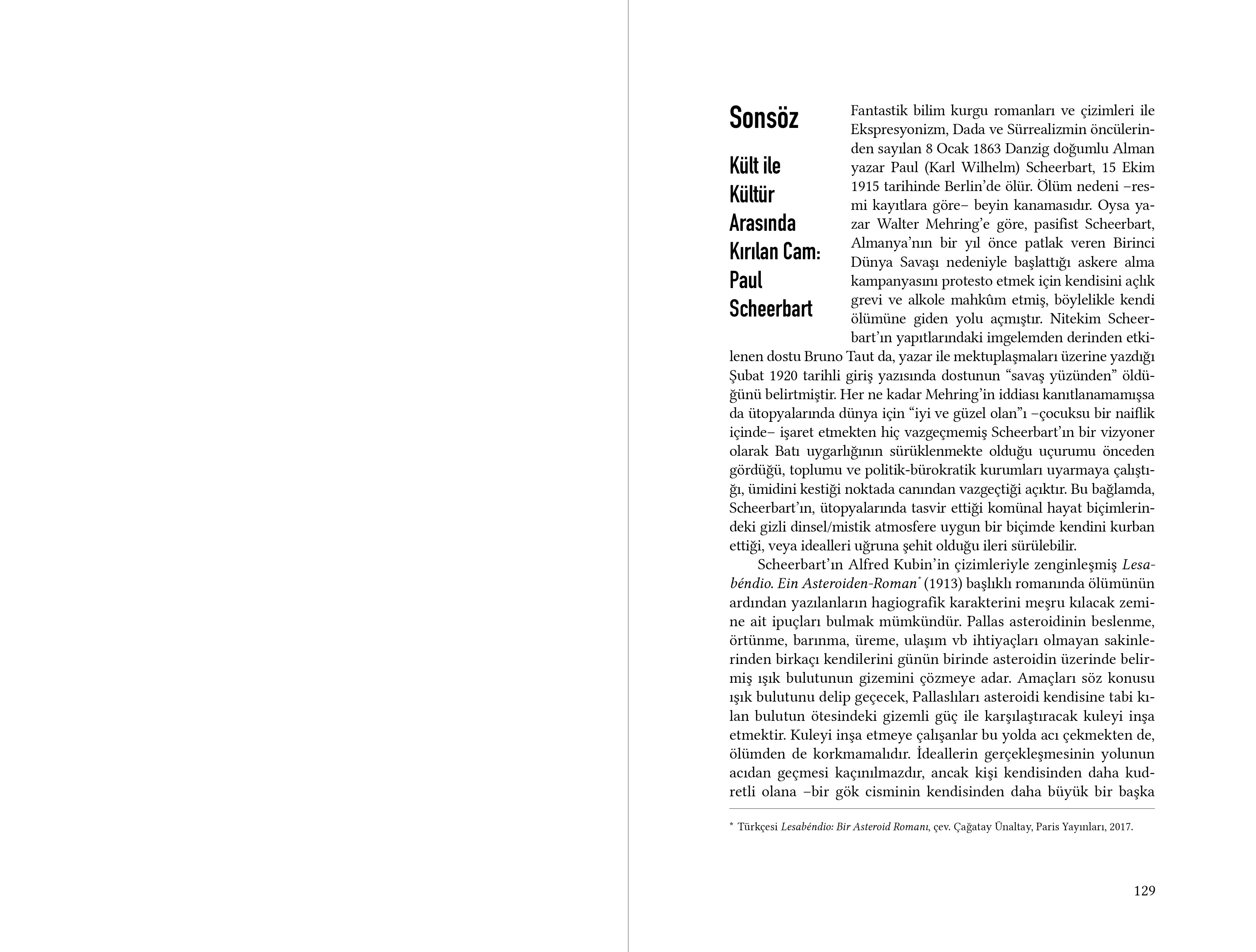
Consisting of one hundred and eleven short texts, with each text identified by a Roman numeral and a title by the author, Glass Architecture—despite Scheerbart not being an architect—carries a visionary perspective. In his comprehensive text titled "The Broken Glass Between Cult and Culture: Paul Scheerbart" written for the book, Erdem Ceylan approaches both the author and his work with an original perspective.
Walter Benjamin, in his text about this book, says: "Scheerbart places the greatest importance on housing people and—by analogy—their citizens in dwellings worthy of them, like the movable glass houses that Loos and Corbusier have meanwhile built. It is not in vain that nothing can cling to glass, that it is such a hard and smooth material. It is also cold and neutral. Glass objects have no 'aura.' Glass is indeed the enemy of mystery. It is also the enemy of property. The great writer André Gide once said: 'Every object I want to possess becomes opaque.' Or do people dream of glass structures like Scheerbart's because they are believers in a new poverty? But perhaps a comparison made here says more than theory. If one were to enter a bourgeois room of the 1880s, perhaps the strongest impression among all the 'comfort' it exudes is 'you don't belong here.' You don't belong here – because there isn't a single spot where the occupant hasn't left their trace, with their trinkets inside the windows, the small covers on the armchairs, the transparent material over the windows, the screen in front of the fireplace. Brecht's beautiful words are helpful here again, very much so: 'Wipe out the traces!' – the recurring line in the first poem of 'Reading Book for City Dwellers.' Here, in this bourgeois room, opposing behaviors have become habitual. On the other hand, the 'interior' compels the occupant to accept habits to their utmost limit; these are habits that suit the interior space they live in rather than the occupant themselves. Everyone who still remembers the absurd situation the residents fell into in their plush rooms when something broke in the house understands this. Even their manner of getting angry – they skillfully revived this sudden and violent enthusiasm that was slowly fading – was particularly the reaction of a person whose 'traces of their days on earth' had been erased. Scheerbart achieved this with his glass, and Bauhaus with its steel: they created spaces where it was difficult to leave traces. 'After what has been said,' Scheerbart explained twenty years ago, 'we can probably speak of a glass culture. The glass environment will completely transform humans.'"
is back on the shelves with a new edition...
Paul Scheerbart's Glass Architecture, dedicated to Bruno Taut and translated into Turkish by Hüseyin Tüzün, is back on the shelves with a new edition. Scheerbart's Glass Architecture, written in 1914, made a significant impact, and Bruno Taut, in the same year, dedicated his famous Glass House to Scheerbart. It is known that Walter Benjamin also frequently mentioned this book in his writings. Benjamin's text titled "Experience and Poverty," also translated by Hüseyin Tüzün, is included as a preface in the book.
Consisting of one hundred and eleven short texts, with each text identified by a Roman numeral and a title by the author, Glass Architecture—despite Scheerbart not being an architect—carries a visionary perspective. In his comprehensive text titled "The Broken Glass Between Cult and Culture: Paul Scheerbart" written for the book, Erdem Ceylan approaches both the author and his work with an original perspective.
Walter Benjamin, in his text about this book, says: "Scheerbart places the greatest importance on housing people and—by analogy—their citizens in dwellings worthy of them, like the movable glass houses that Loos and Corbusier have meanwhile built. It is not in vain that nothing can cling to glass, that it is such a hard and smooth material. It is also cold and neutral. Glass objects have no 'aura.' Glass is indeed the enemy of mystery. It is also the enemy of property. The great writer André Gide once said: 'Every object I want to possess becomes opaque.' Or do people dream of glass structures like Scheerbart's because they are believers in a new poverty? But perhaps a comparison made here says more than theory. If one were to enter a bourgeois room of the 1880s, perhaps the strongest impression among all the 'comfort' it exudes is 'you don't belong here.' You don't belong here – because there isn't a single spot where the occupant hasn't left their trace, with their trinkets inside the windows, the small covers on the armchairs, the transparent material over the windows, the screen in front of the fireplace. Brecht's beautiful words are helpful here again, very much so: 'Wipe out the traces!' – the recurring line in the first poem of 'Reading Book for City Dwellers.' Here, in this bourgeois room, opposing behaviors have become habitual. On the other hand, the 'interior' compels the occupant to accept habits to their utmost limit; these are habits that suit the interior space they live in rather than the occupant themselves. Everyone who still remembers the absurd situation the residents fell into in their plush rooms when something broke in the house understands this. Even their manner of getting angry – they skillfully revived this sudden and violent enthusiasm that was slowly fading – was particularly the reaction of a person whose 'traces of their days on earth' had been erased. Scheerbart achieved this with his glass, and Bauhaus with its steel: they created spaces where it was difficult to leave traces. 'After what has been said,' Scheerbart explained twenty years ago, 'we can probably speak of a glass culture. The glass environment will completely transform humans.'"
