
Gates of Paradise
Yazar: Doğan Kuban
Brand: YEM Yayın
Basım Tarihi: Aralık 2022
Basım Dili:
Sayfa Sayısı: 168Boyut: 24.0 x 32.0 cm.
Out Of Stock
9786257008464
Product Description
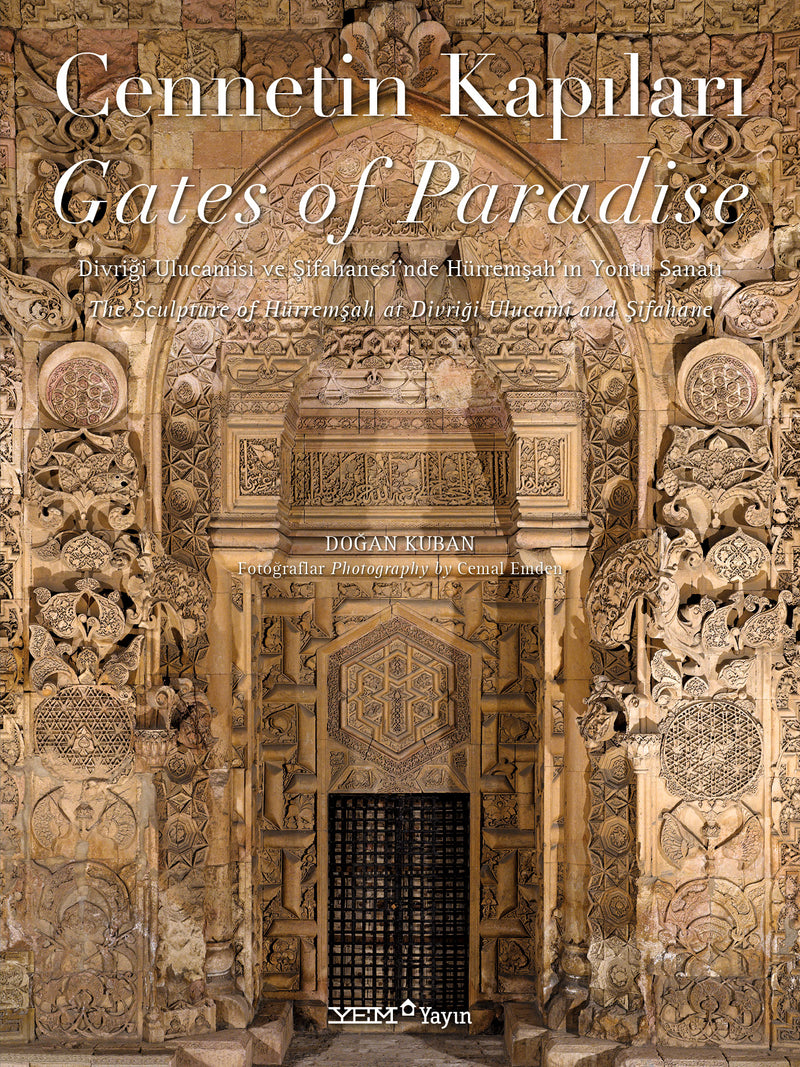
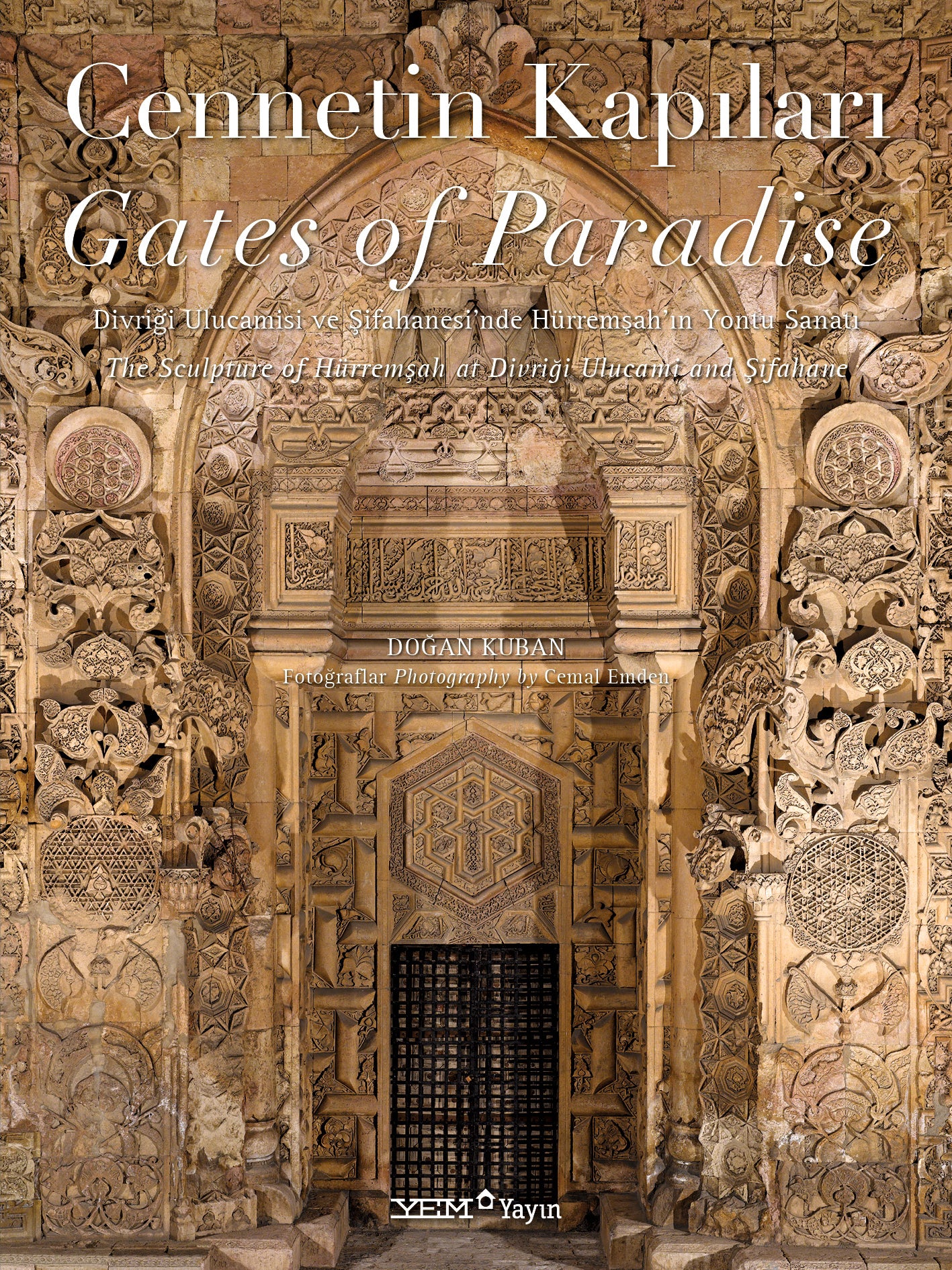
CENNETİN KAPILARI / GATES OF PARADISE
Divriği Ulucamisi ve Sifahanesi’nde Hürremşah’ın Yontu Sanatı / The Sculpture of Hürremşah at Divriği Ulucami and Şifahane
Prof. Doğan Kuban’s eagerly awaited new edition of the book “Cennetin Kapıları / Gates of Paradise”, which describes the unique stone sculptures of Divriği Great Mosque and Hospital within Anatolian architectural development and unrivaled in the history of Islamic art, was published by YEM Publishing with the valuable contributions of Rönesans Holding.
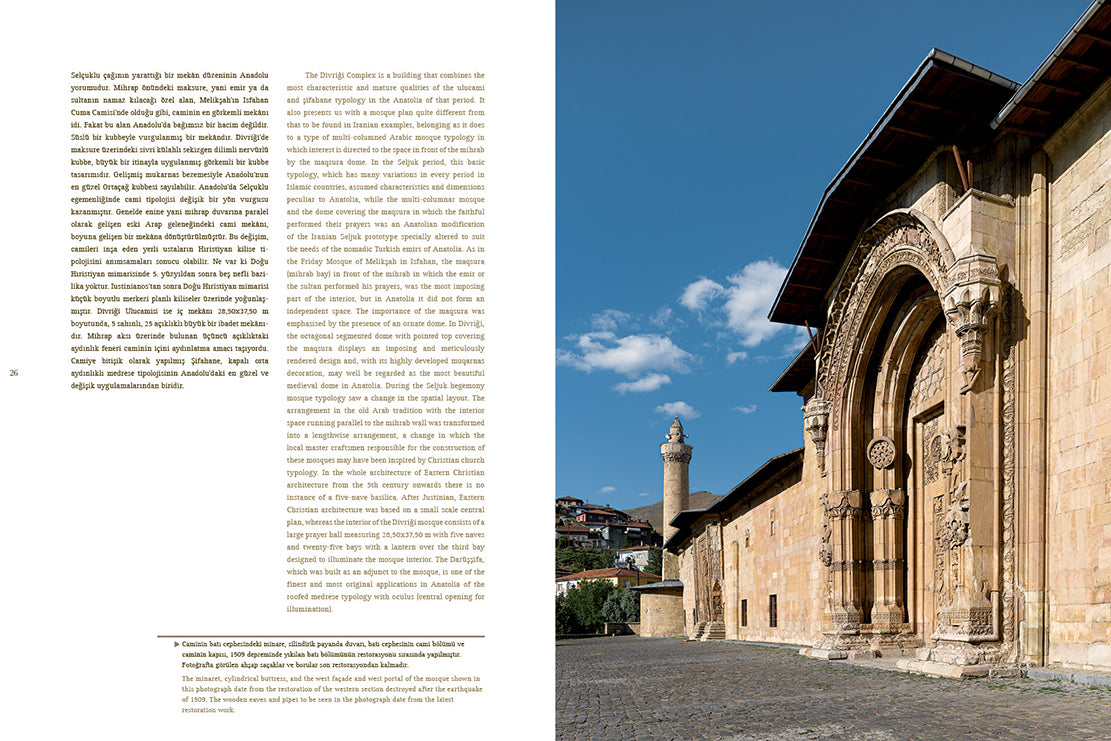
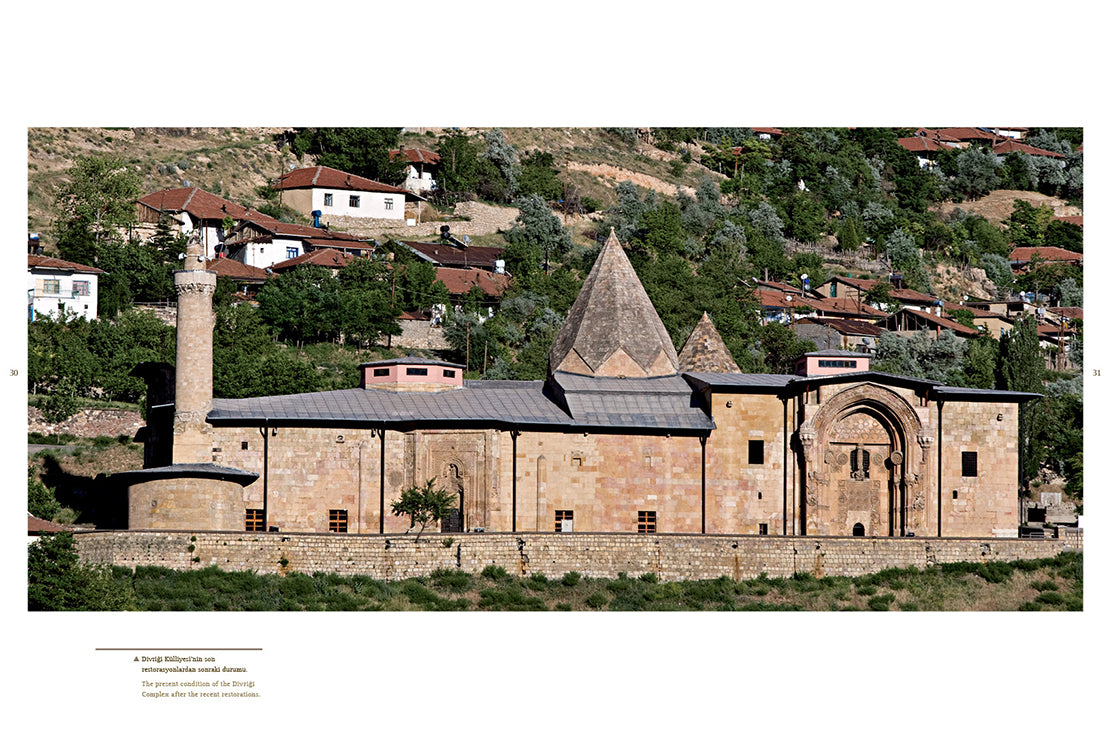
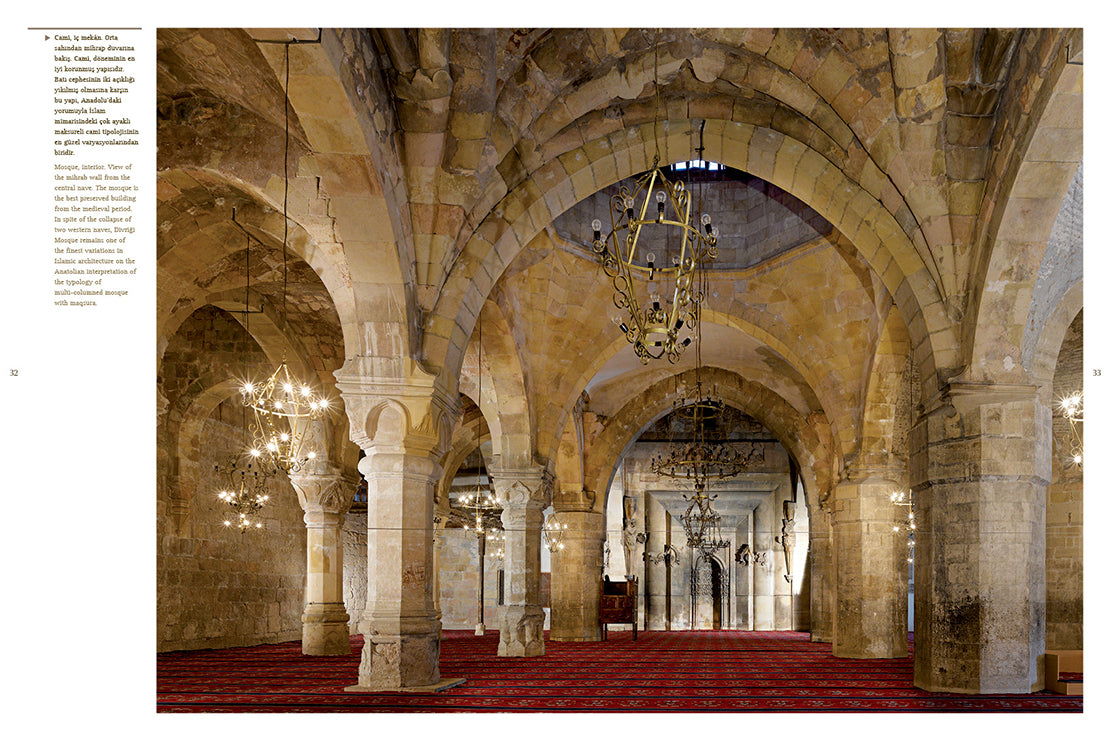
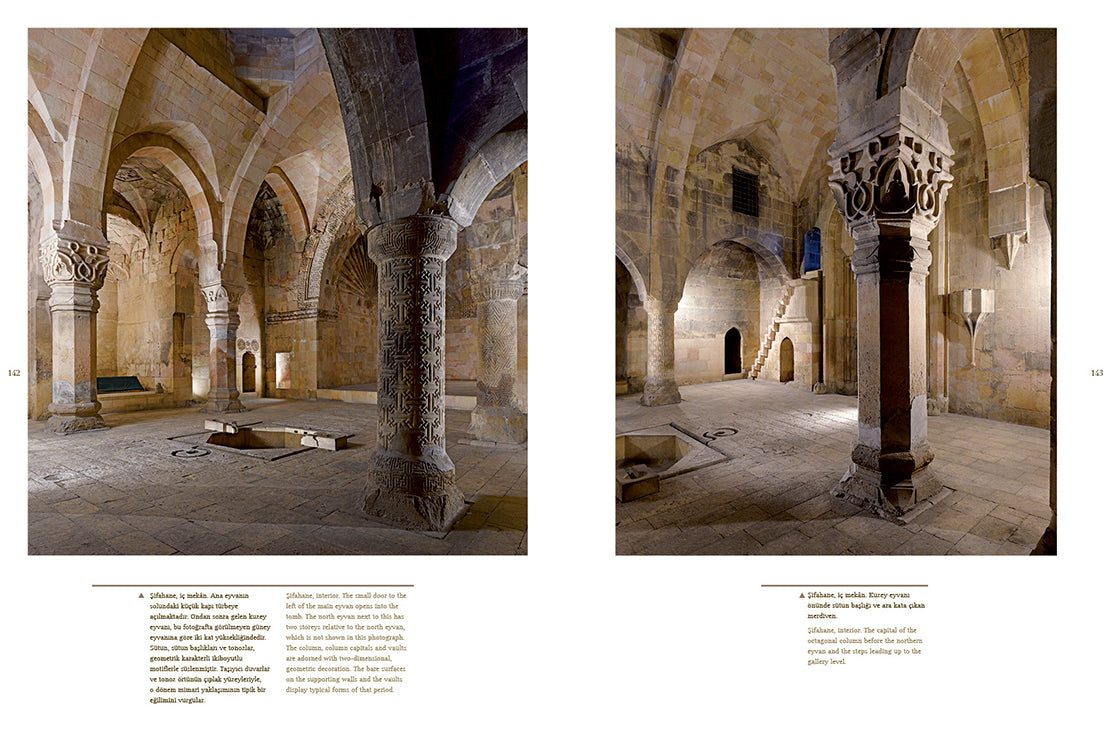
In the Turkish-English book, accompanied by Cemal Emden's very special photographs, the stone sculptures of Divriği Great Mosque and Hospital, dated 1228/29, which remained unique in the architectural development in Anatolia and are unparalleled in the history of Islamic art, are presented during the art era known as Anatolian Seljuk Architecture between the 12th and 14th centuries.
Doğan Kuban, in his book examining the position of these sculptures, which have no other parallel in the history of world art as well as in Islamic and Turkish arts, within the universal concept of sculpture, says the following:
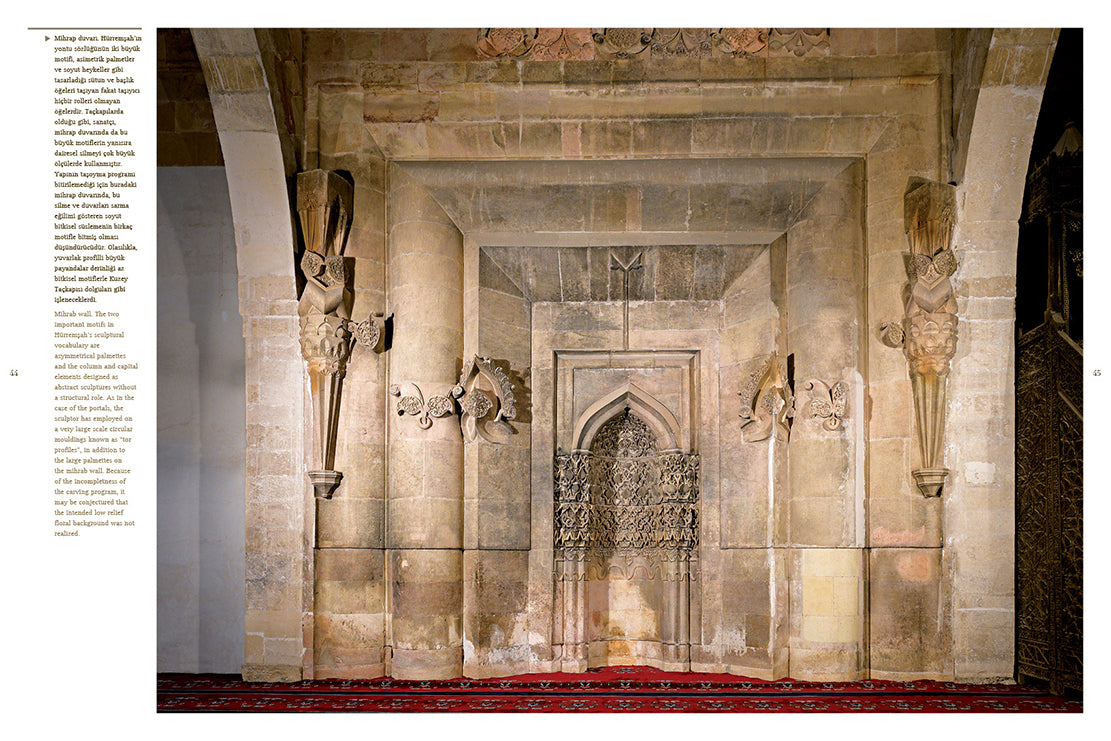
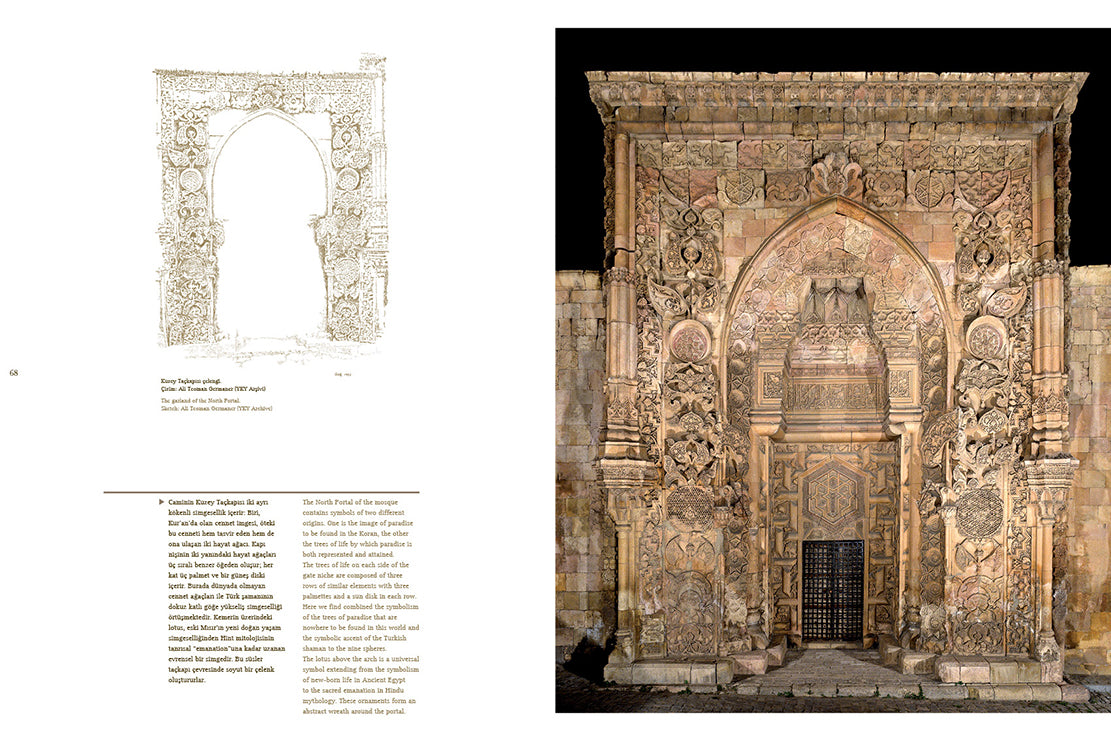
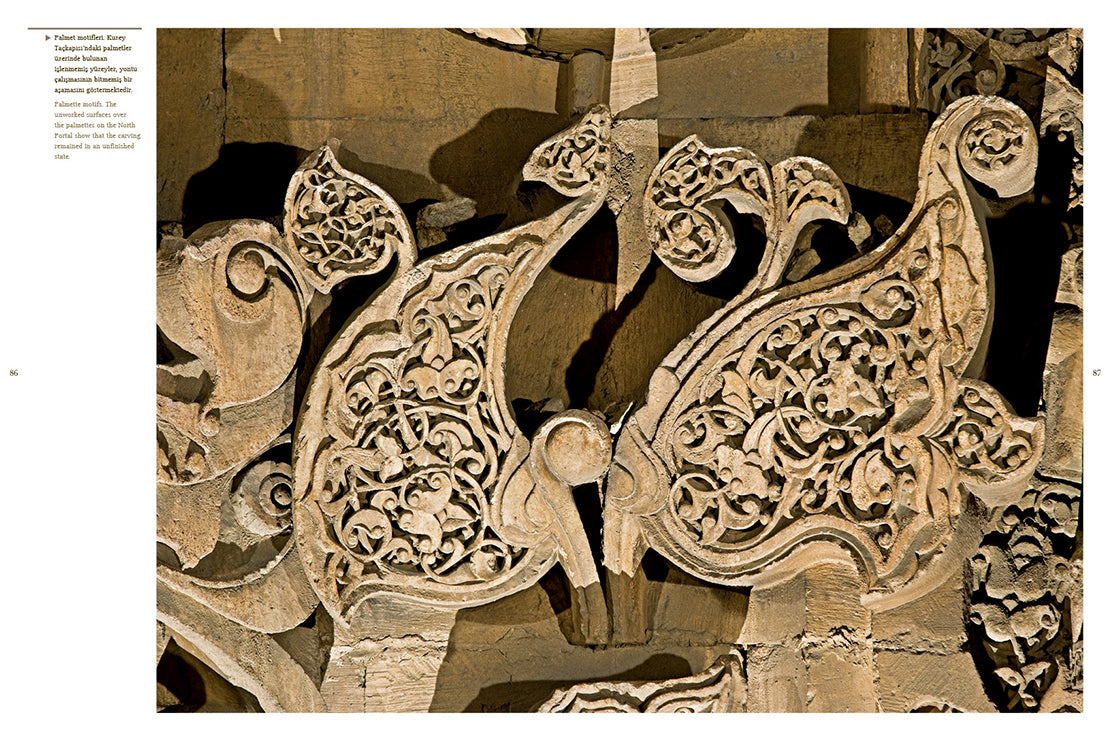
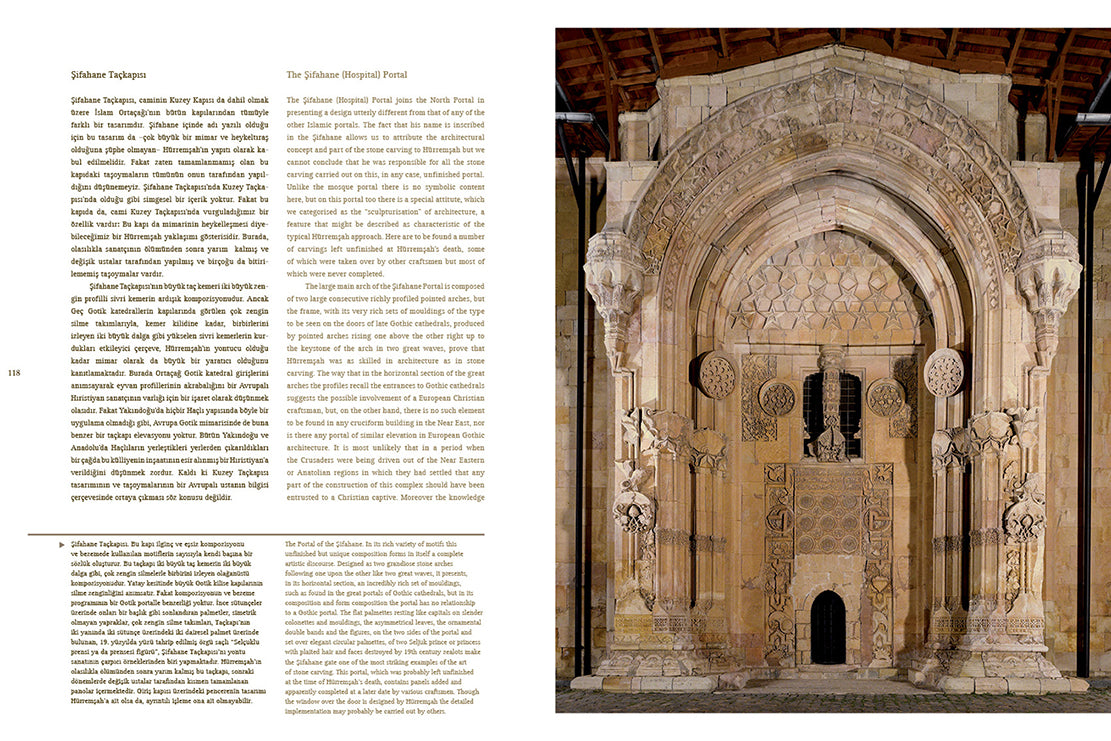
“Among the masters of the building, only one’s name, ‘Hürremşah of Ahlat’, is given once in both the mosque and the hospital. It is probable that the design of the buildings and a part of the stone sculptures are the creation of this artist from Ahlat. The sculptural program realized to decorate the monumental portals in the building moved the ornamentation away from its complementary role to the architecture, creating an extraordinary work that sculpted stone carving. It is these sculptural stone carvings that make Divriği art original and famous. However, beyond this aesthetic quality, the North (Qibla) Portal, designed as a virtual Gate of Paradise, is perhaps the only image of a gate of paradise in the history of Islamic art. In this respect, it should have a very important place in Islamic culture.
Western culture has created a vision of world art history within its own historical expansions, and the art traditions of the entire world are presented with interpretations filtered through the European art vision. In European sculpture history, the subject is fundamentally the human figure. Since the Islamic tradition rejects figurative art as a principle, Islamic stone carving has been evaluated in the category of ornamentation in world art history. Although since the development of the concept of abstract art, the subject of the figure has ceased to be a mandatory feature of the concept of painting and sculpture. However, this situation has neither eliminated the existence nor the effect of a broad theoretical and critical thought based on the tradition of figurative art. Furthermore, the place of Islamic art structures, which have been excluded from the thousands of years of figurative art tradition, is limited in world art history, even if on a universal scale. Divriği sculpture is an art phenomenon unparalleled in Islamic art...
For the author of this book, the portals of Divriği Great Mosque and Hospital have characteristics that we would place in the category of artistic activity that Western art history defines as 'sculpture'. Although similarities that can be found in sculptural techniques and forms in different cultural environments cannot be considered as stylistic similarities. It has been shown in this book with undeniable examples that the professional encounter between the artist carving the stone and the material leads to similar behaviors.
The comparisons made in this book are illuminating in terms of the character of Hürremşah's sculpture. However, in the Western art tradition where all criteria are based on the 'representation' of the human figure, calling Divriği sculpture 'sculpture' only seems possible when we reach the 20th century.”
GATES OF PARADISE
TheSculpture of Hürremşah at Divriği Ulucami and Şifahane
“The book you are holding in your hand is devoted to the description of the Stones culpture of the Divriği Ulucami and Şifahane (Great Mosque and Hospital of Divriği) (1228/29), a glorious example of 12th to 14th century Anatolian Seljuk architecture and a truly unique phenomenon in the history of Islamic art. Of the craftsmen in volved in the work the name of only one has survived – that of ‘Hürremşah of Ahlat’, whose name appears once in both them osqueand the hospital. It seems probable that this master builder and stone Carver from Ahlat was responsible for the design of the buildings and for the creation of part of the sculpture. He created a sculptural programme for the decoration of the monumental portals which gave the ornamentation a sculptural dimensionan dremoved it from its traditional role as a me resubsidiary element and complement to the architecture. It is this sculptural stone work that is responsible for the unique quality and fame of Divriği art, but besides this aestheticquality, the Qibla portal, designed as an imaginary ‘Gate of Paradise’, is probably the only example of a symbolic paradisegate in thehistory of Islamic architecture. From that point of view, it deserves to be awarded a very important place in Islamic culture...''
