
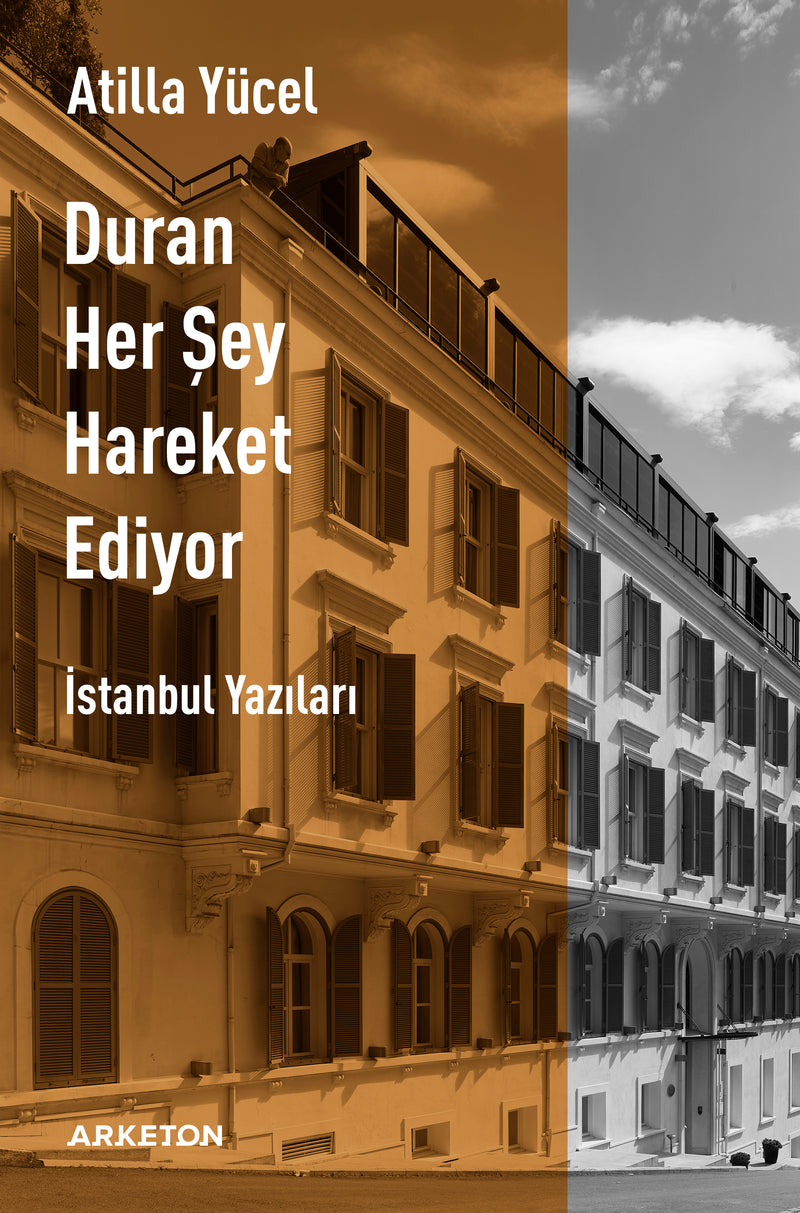
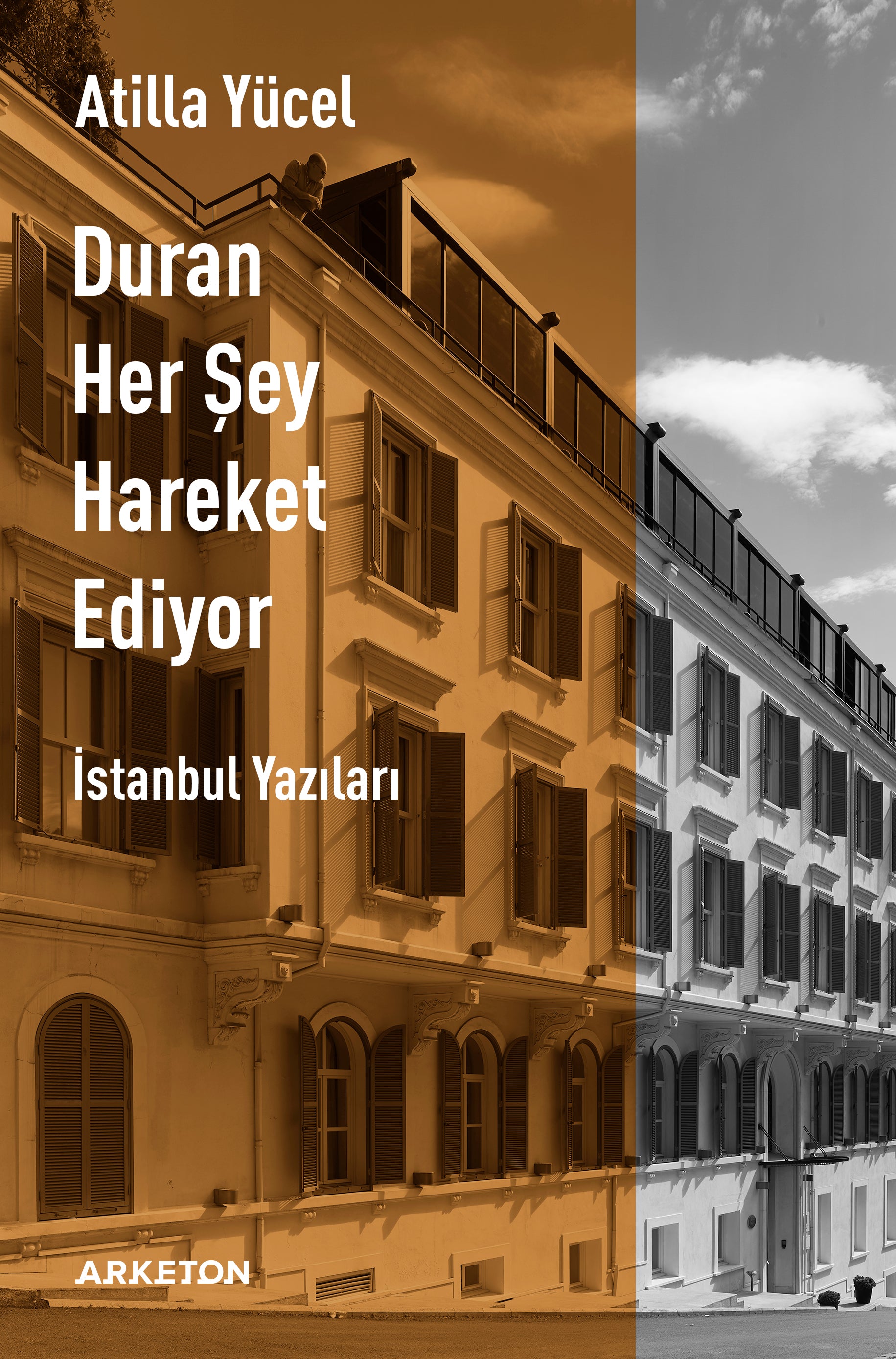
Everything That Stands Is Moving
Yazar: Atilla Yücel
Brand: Arketon Yayınları
Basım Tarihi: Şubat 2024
Basım Dili: ["English"]
Sayfa Sayısı: 192Boyut: 15.5 x 23.5 cm
In stock
9786057293695
Product Description
Atilla Yücel's Istanbul writings, Everything That Stood Still Is Moving, is back on the shelves with a new edition.
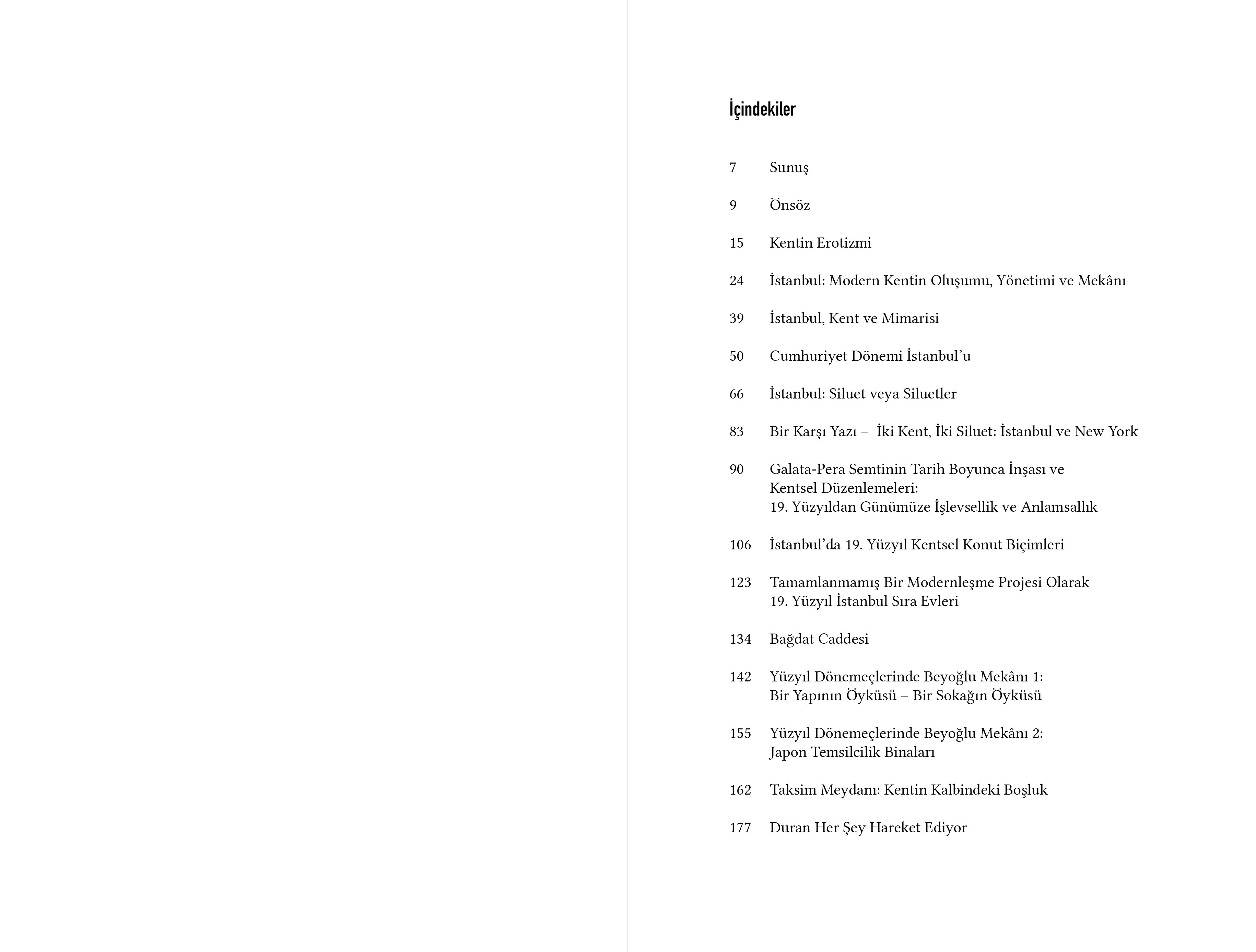
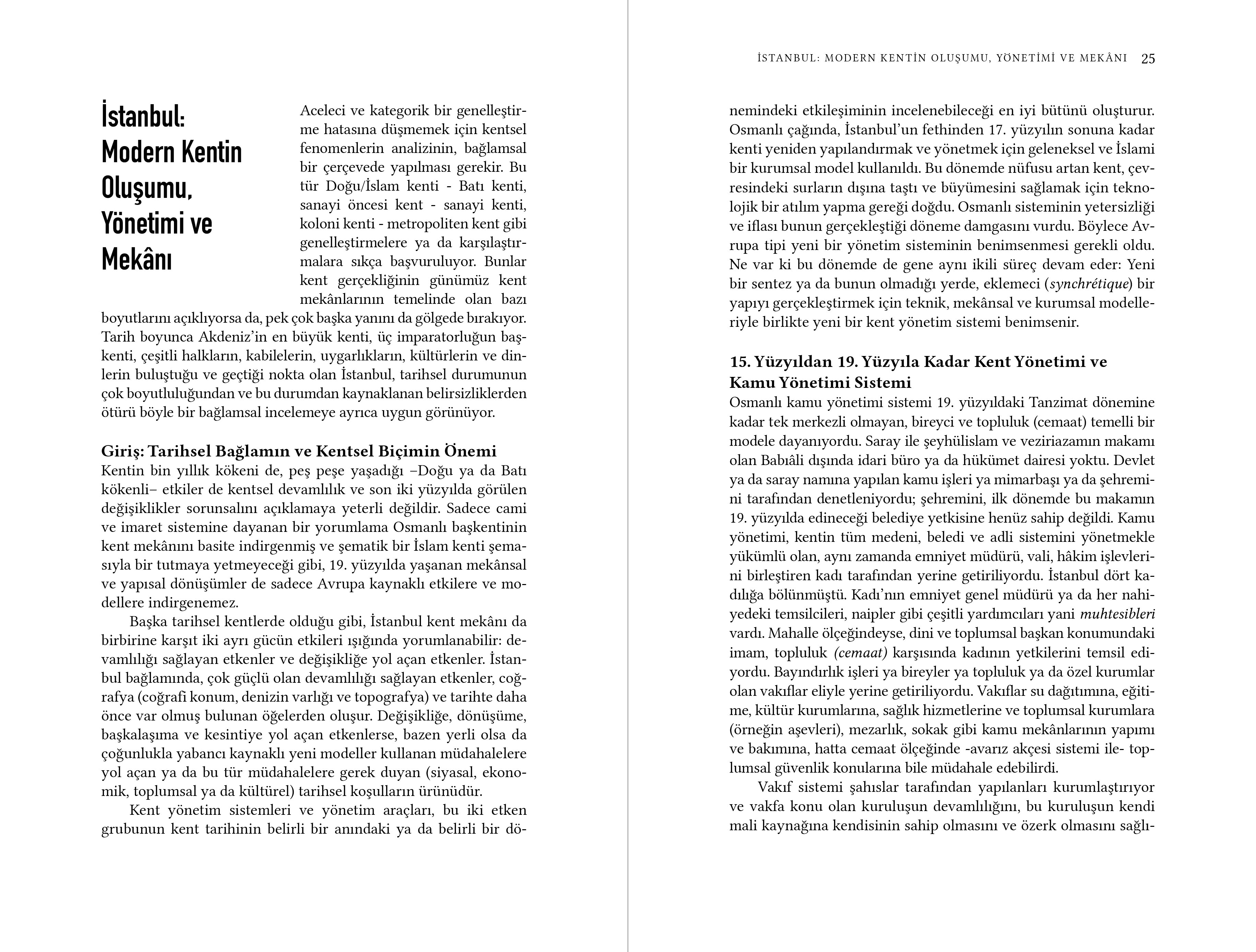
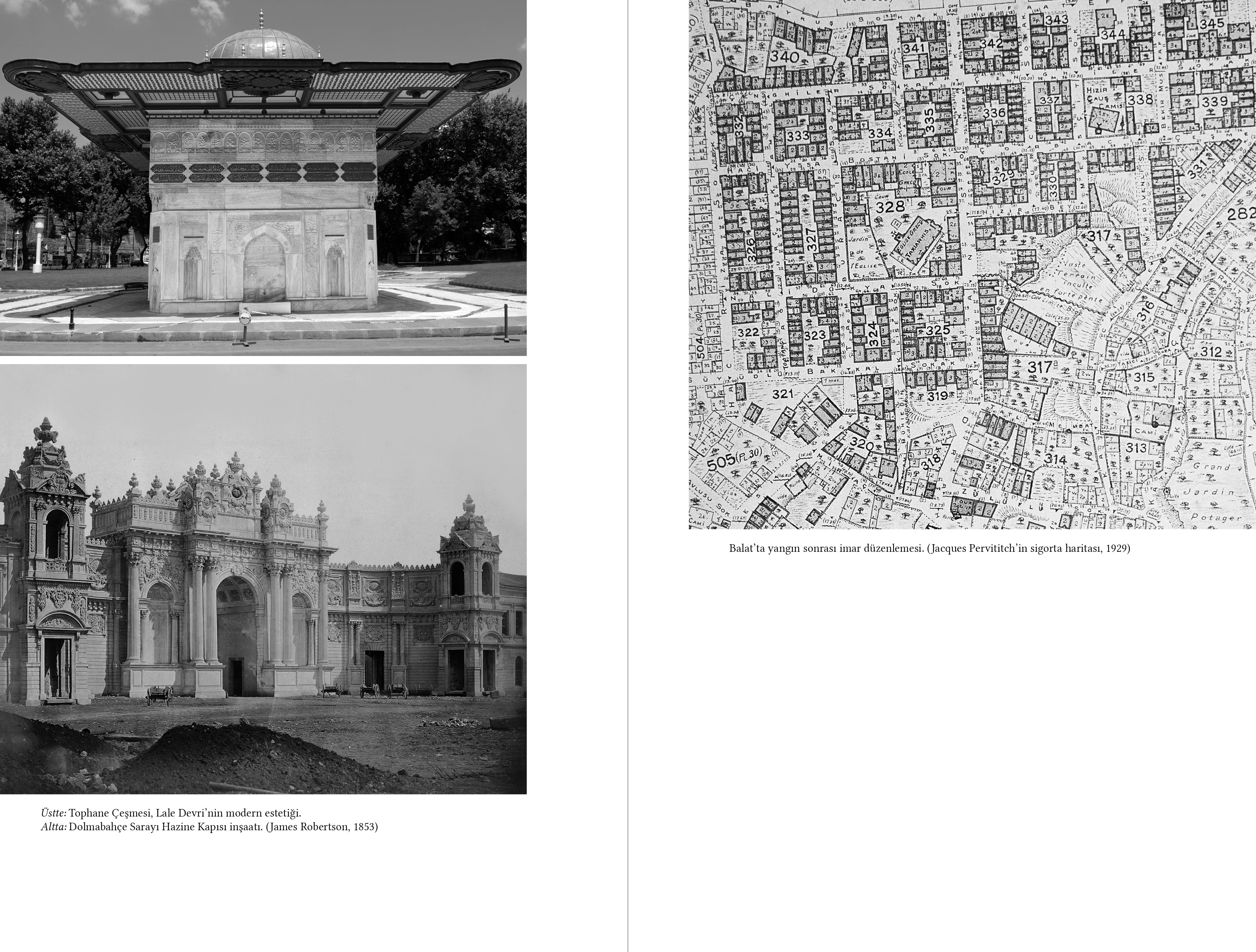
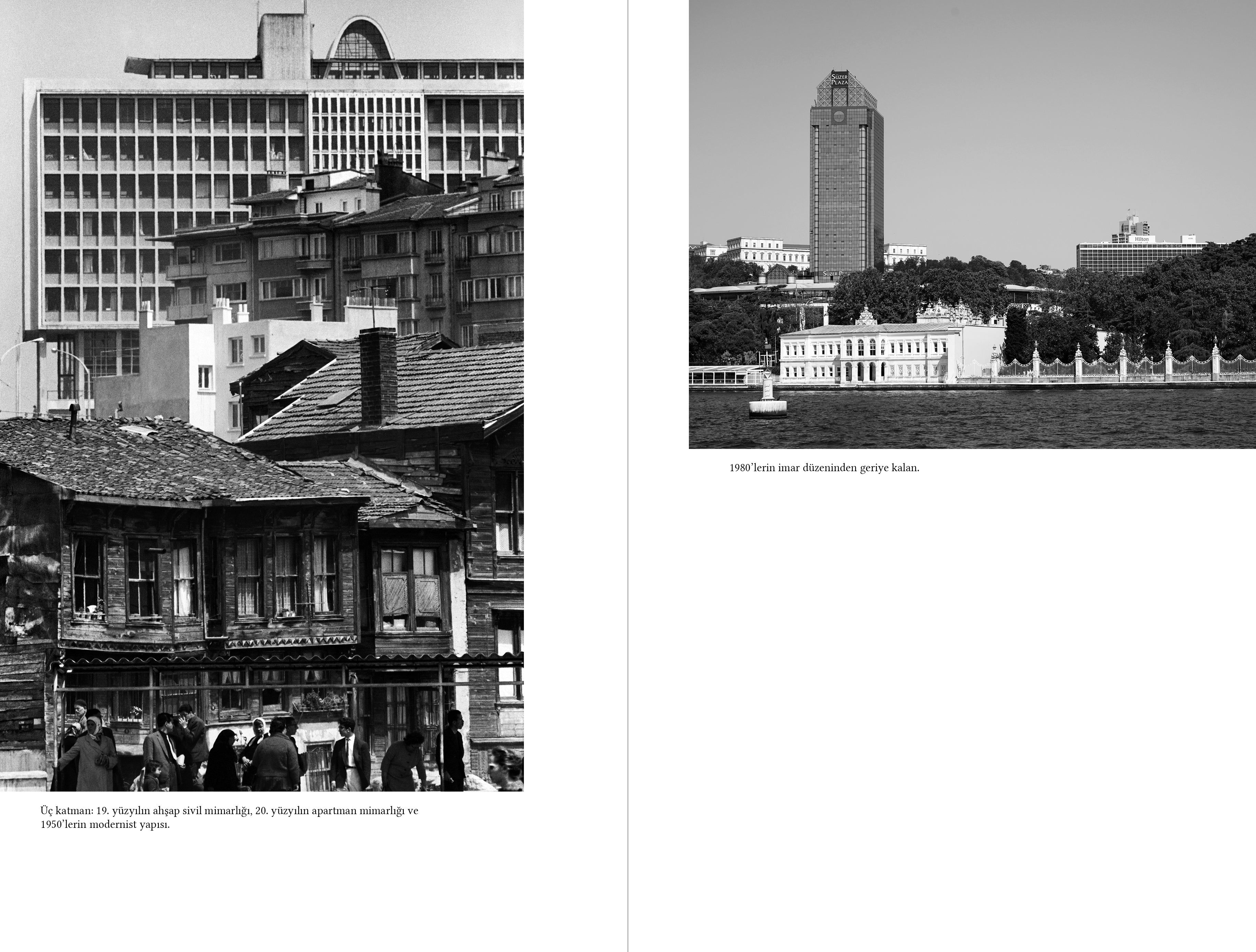
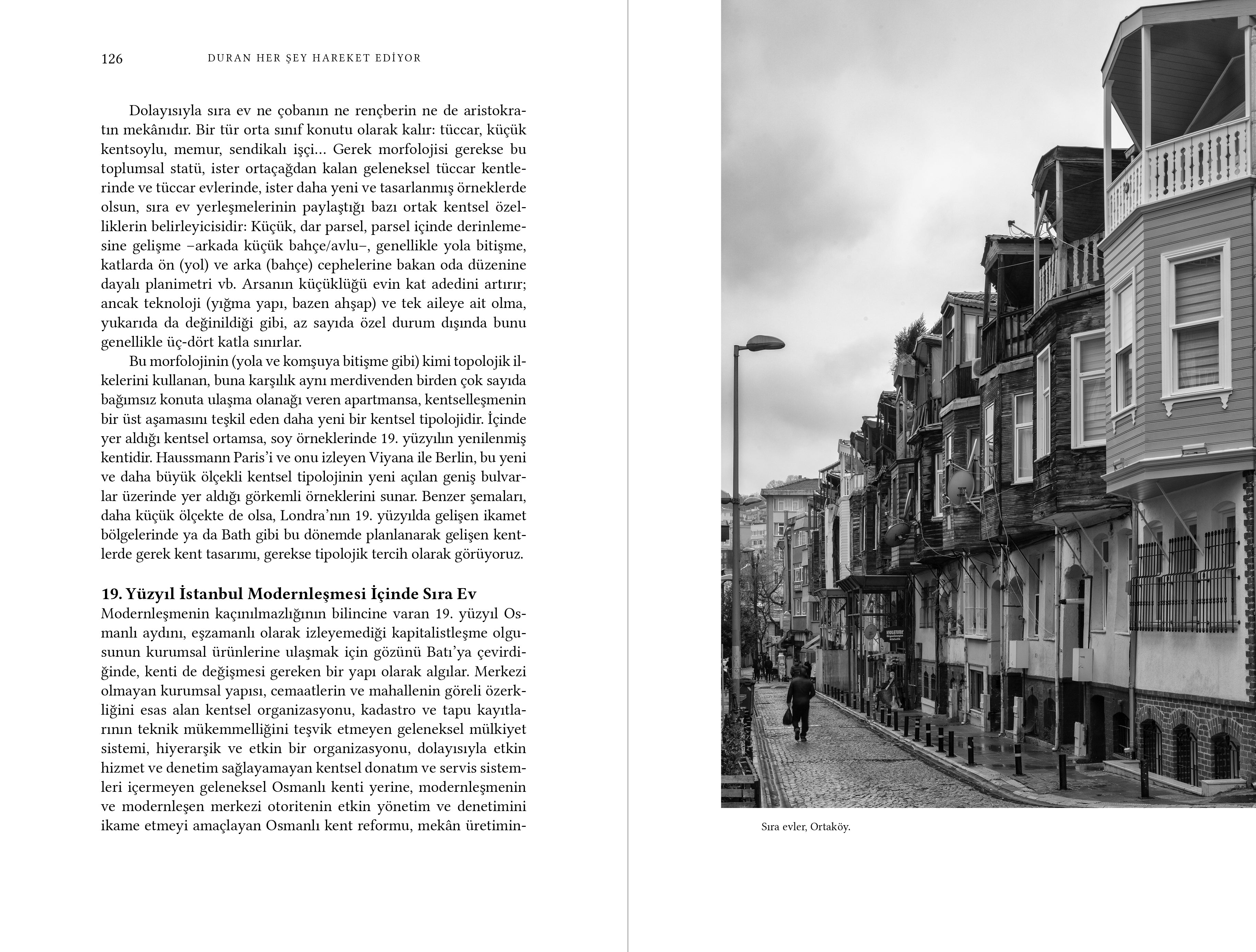
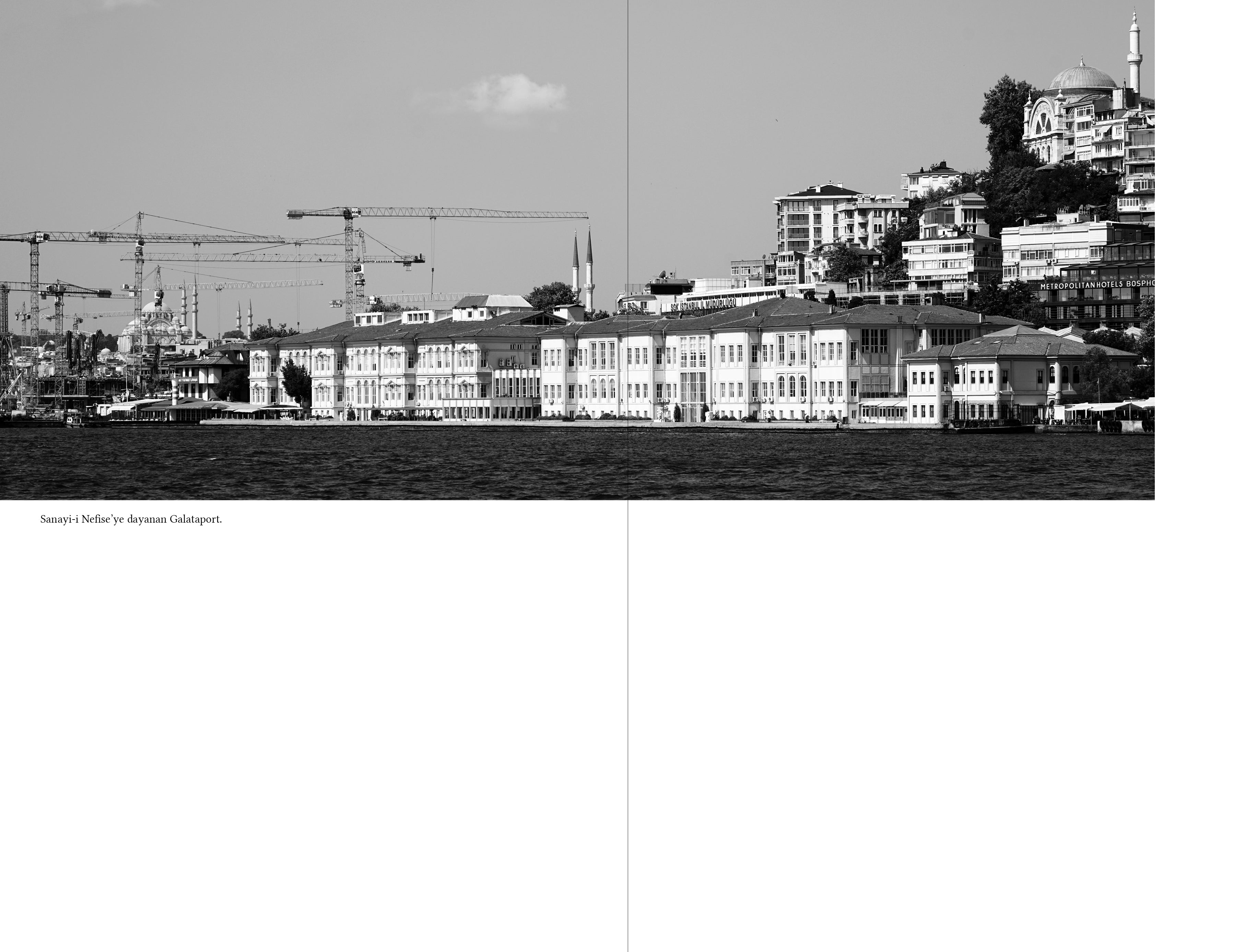
Everything That Stood Still Is Moving, a collection of Atilla Yücel's writings on Istanbul and the first book published by Arketon Yayınları, founded under the editorship of Aykut Köksal, sold out quickly due to popular demand and is now available to readers in a new edition. Atilla Yücel, whom we lost in 2018, was among the leading figures in the world of architecture with his academic and intellectual identity. The book, consisting of his texts on Istanbul, draws a broad framework ranging from the city's modernization story to its architecture, from the problem of its silhouette to 19th-century row houses, from Taksim Square to Galata and Pera.
In the preface he wrote for the book, Atilla Yücel says: “Istanbul Writings is a compilation of some lines produced about the urban space and architectural aspects of Istanbul, a reality upon which thousands, tens of thousands of writings, works, and thoughts have been built. Istanbul is a city, and at the same time a concept, and at the same time, the name of a culture, an belonging based on a historical accumulation formed over centuries, the object of a corpus, perhaps a myth. Today's complex megacity reality is another layer of a simpler cosmopolitan existence from different periods, continually reshaping itself every day as a result of global dynamics. The Istanbul corpus, from literature to thought and science, contains different periods, different traces, and different impressions of this stratification.
Istanbul Writings is a small link within this rich and diverse corpus, as well as a link in the author's own intellectual and literary life, with relationships to other spaces, other experiences, other thoughts, and other texts. Because every text, while expressing its object, also contains and implicitly reveals its own story and its own reality.”
