
Group Portraiture in Dutch Painting
Yazar: Alois Riegl
Brand: Hayalperest Kitap
Basım Tarihi: Aralık 2019
Basım Dili:
Sayfa Sayısı: 449Boyut: 13.5 x 19.5 cm
Out Of Stock
9786059452465
Product Description
Alois Riegl, who played an important role along with Erwin Panofsky and Heinrich Wölfflin in making art history an academic discipline, made significant contributions to the structuralist critical method, making him a valuable and frequently referenced source today. The art terms he developed and the texts he wrote through his works at the beginning of the twentieth century continue to be a cornerstone for many subjects, from stylistic research in art to the structural analysis of conceptual art.
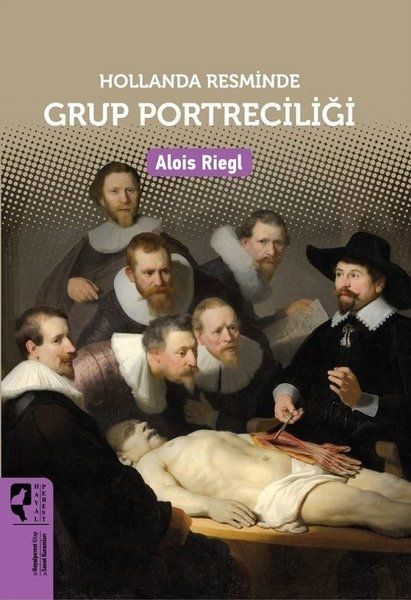
Riegl, who passed away at the age of 47, focuses on group portraiture, which holds an important place in seventeenth-century Dutch painting, in his cult work titled "Group Portraiture in Holland." Drawing on group portraits made by artists such as Rembrandt, Frans Hals, and Bartholomeus van der Helst, Riegl provides interpretations of the viewer's relationship with artworks, and based on the existence of the viewer-subject, he introduces the concepts of internal and external coherence. Riegl's insights, which brought a brand new perspective to art history, also shed light on the evaluation of contemporary art, which mostly centers the viewer. Riegl states that both the figures in the portrait and the viewer of the painting need each other for the composition to be complete, and he explains in detail how the tradition of group portraiture is divided into three main periods and how these distinctions formed and evolved.
As art historian Uşun Tükel states in her introductory essay, Riegl's "Group Portraiture in Holland," with its approach that transcends the boundaries of the discipline, appeals to every reader who wishes to understand the language of art, especially in terms of portrait depiction, open work, and reception aesthetics.
