
 Yeni Baskı
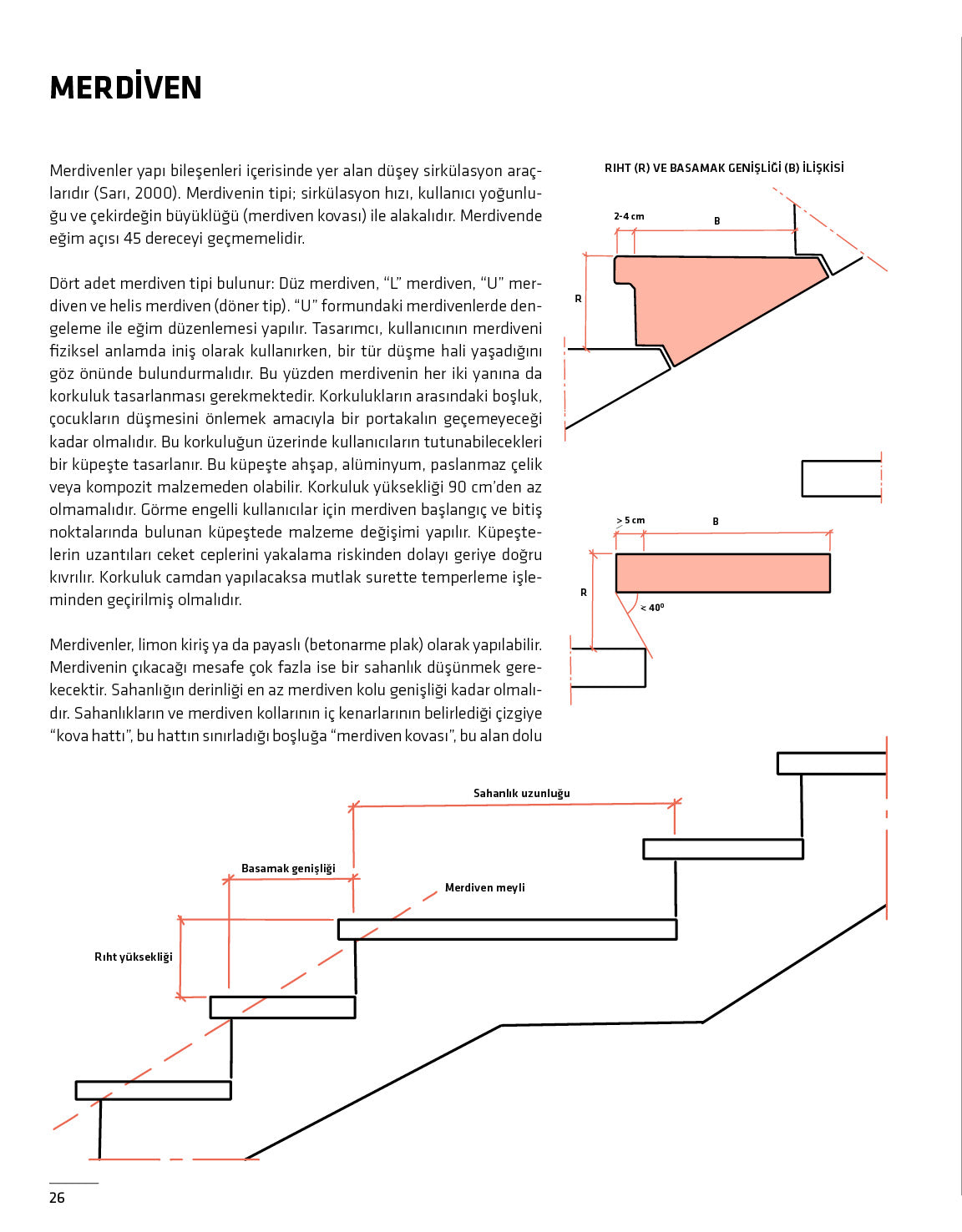
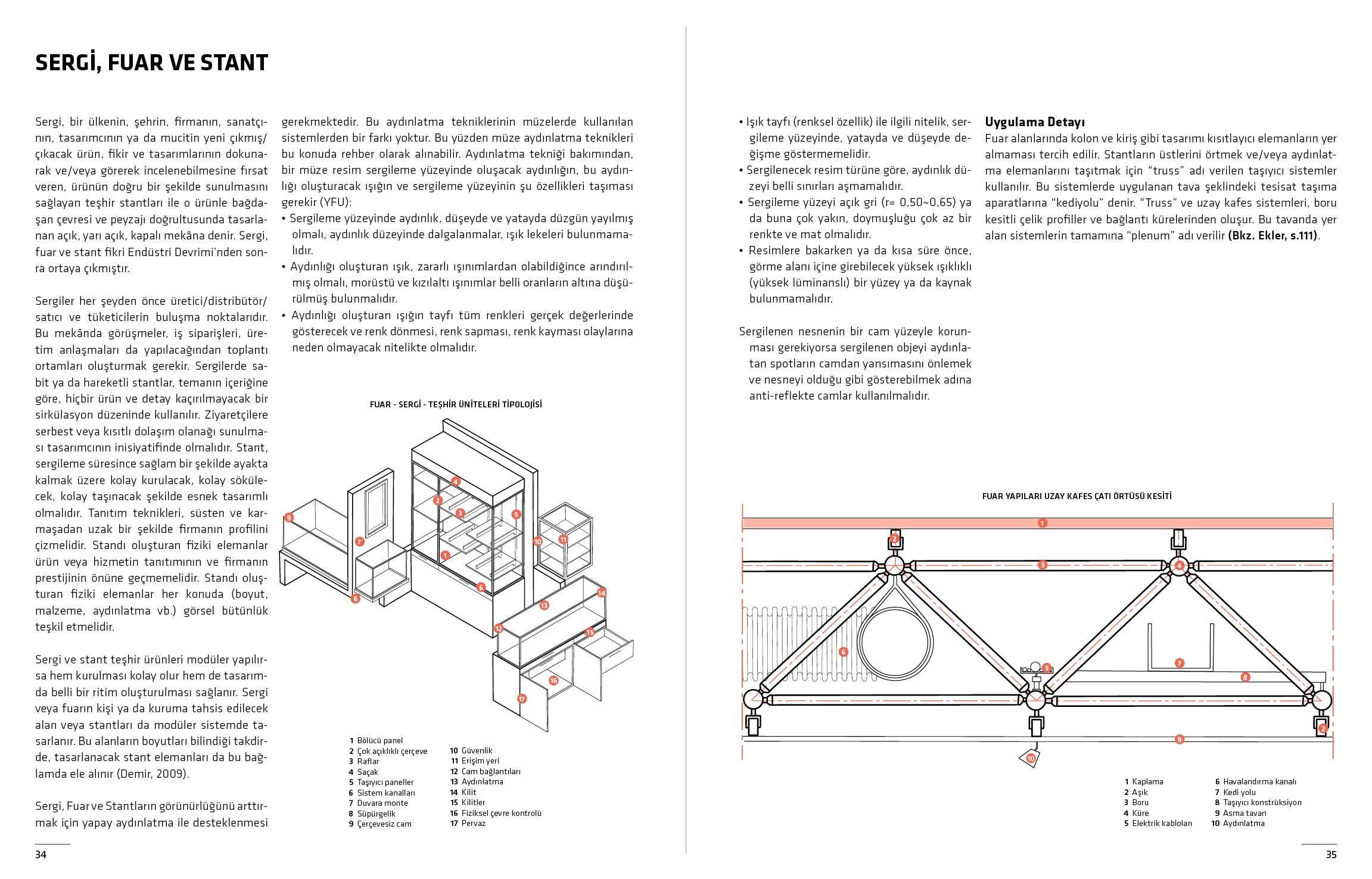
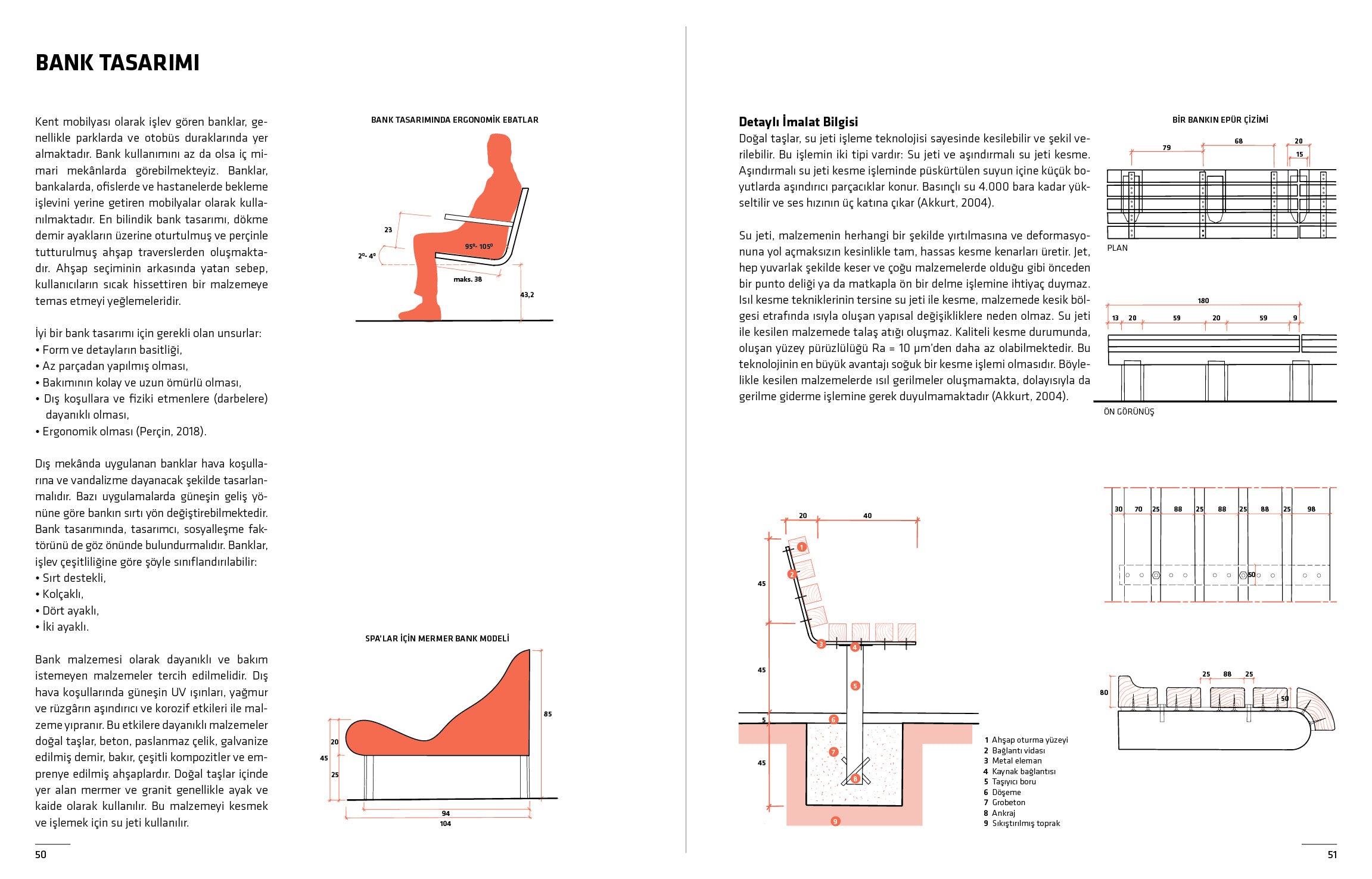
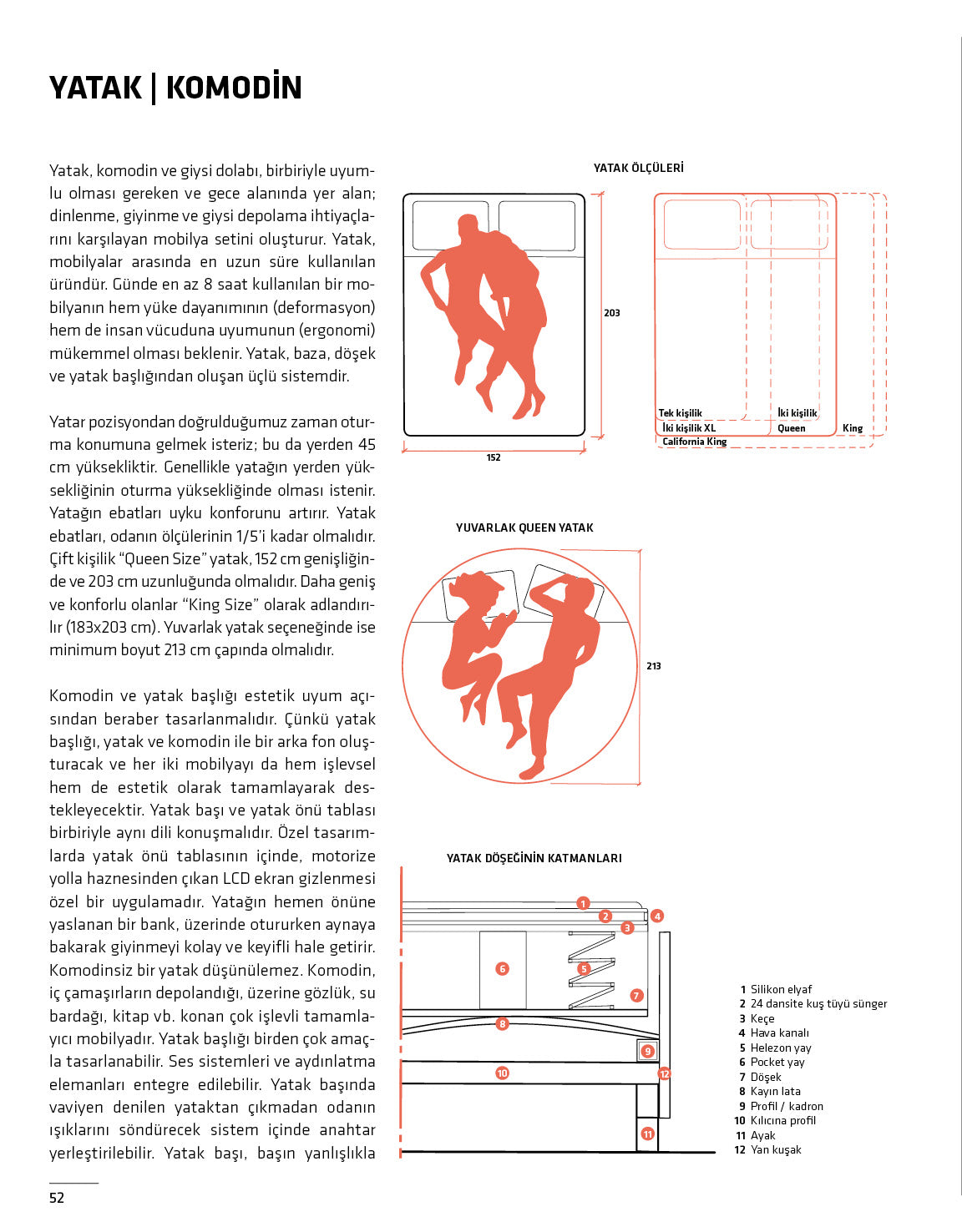
Materials and Detail in Interior Design - 13th Edition
Yazar: Genco Berkin,
Brand: YEM Yayın
Basım Tarihi: Mart 2026
Basım Dili: ["Turkish"]
Sayfa Sayısı: 116Boyut: 19.5 x 25.0 cm
In stock
9786257008068
Product Description
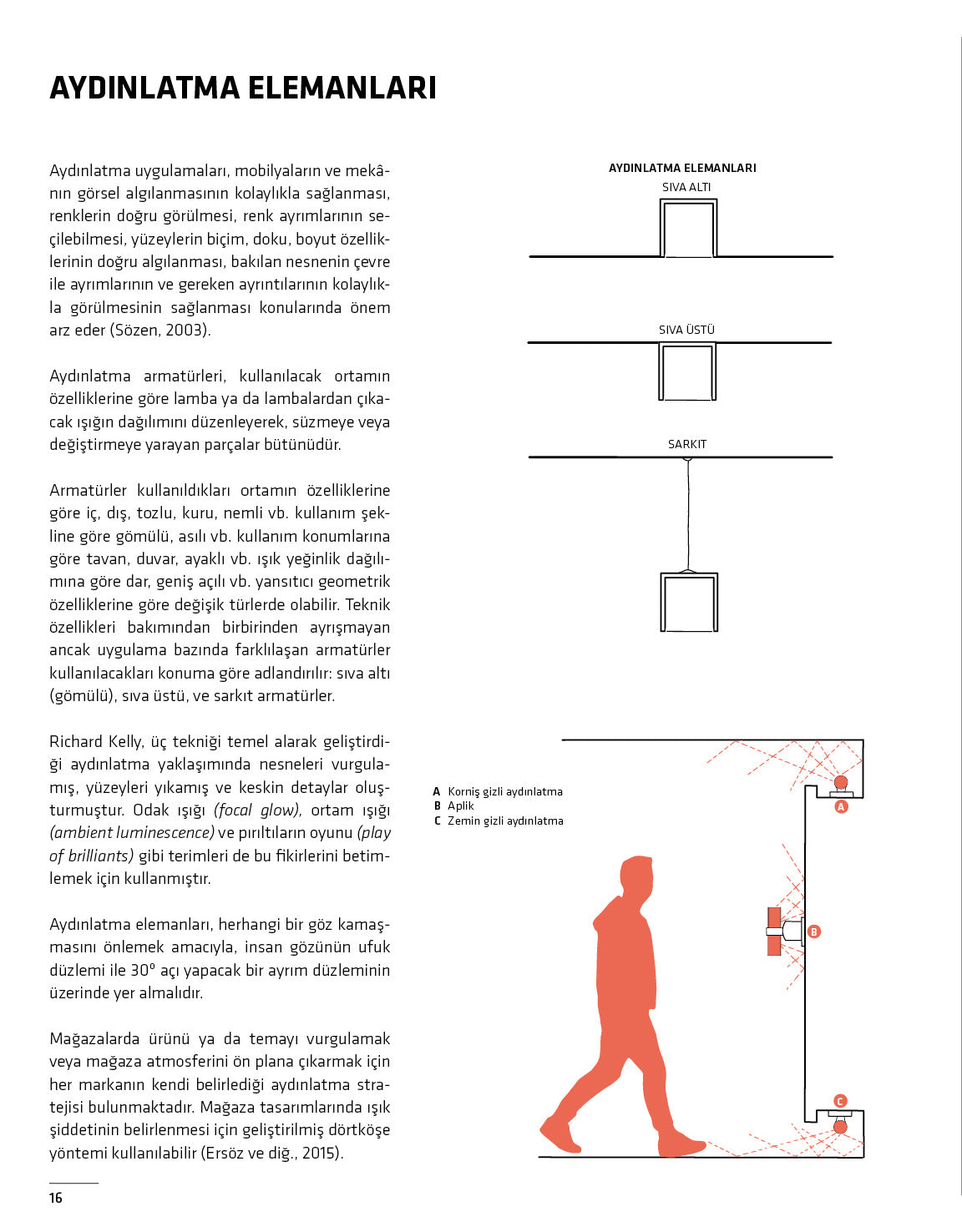
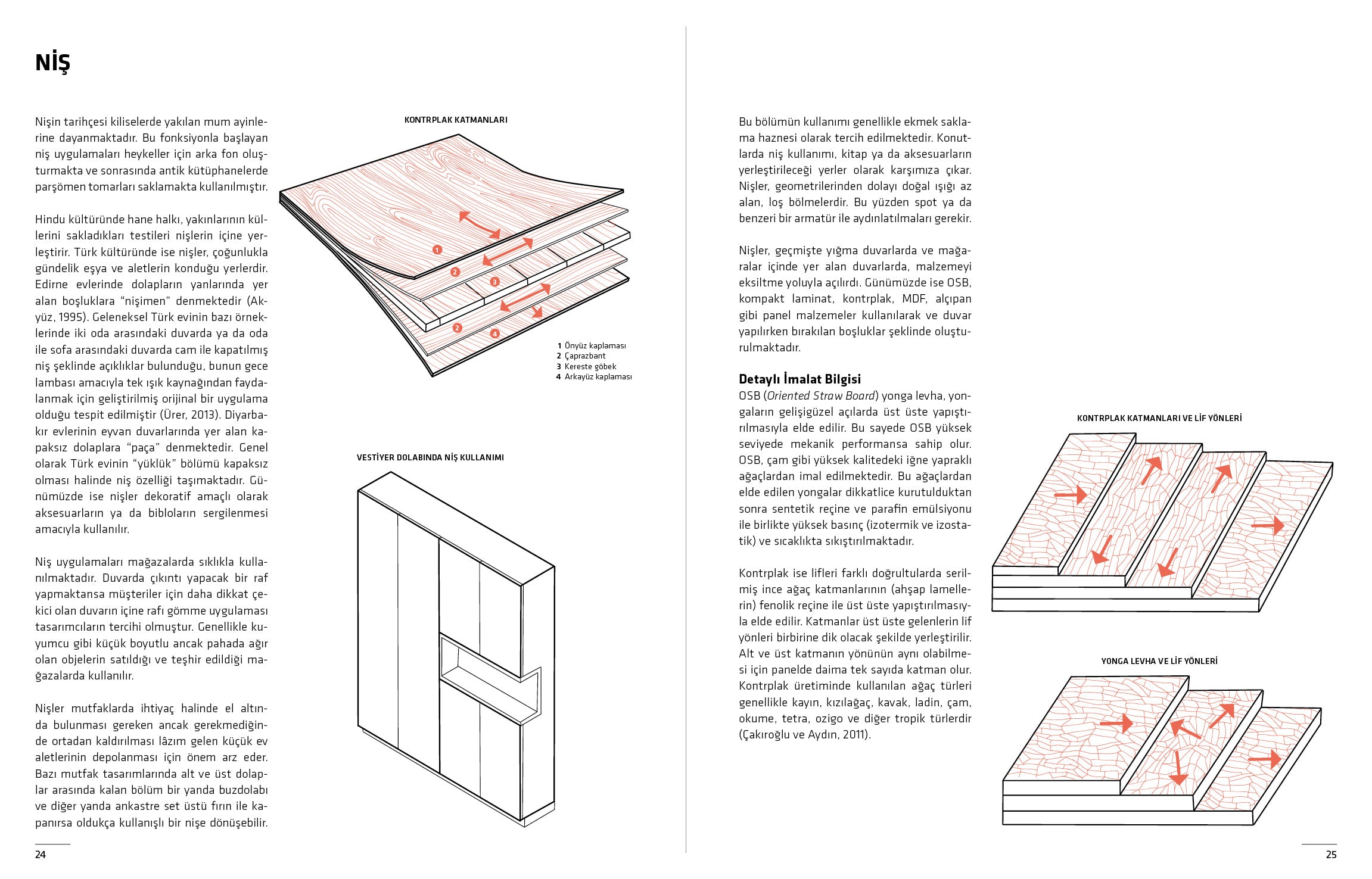
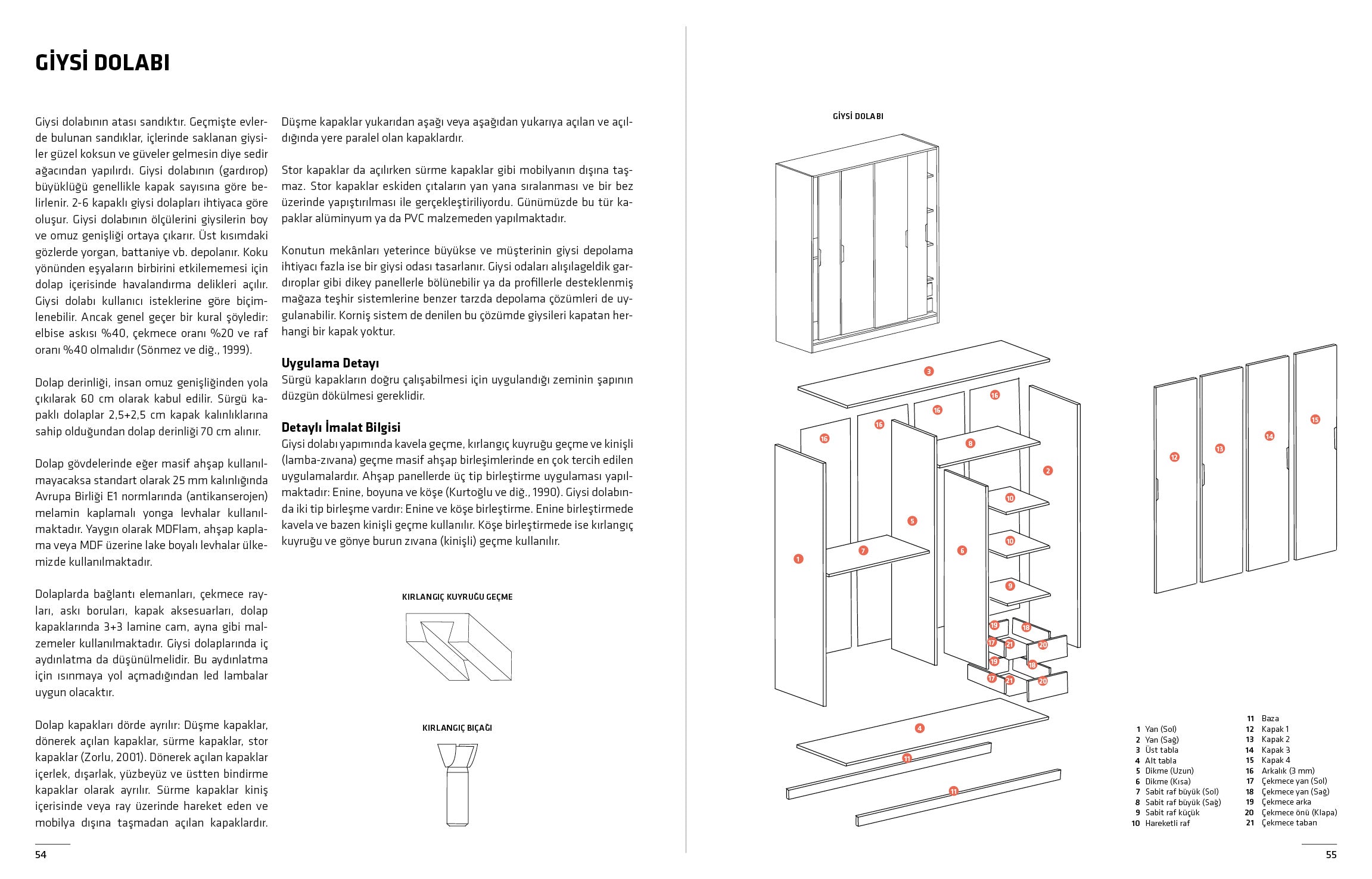
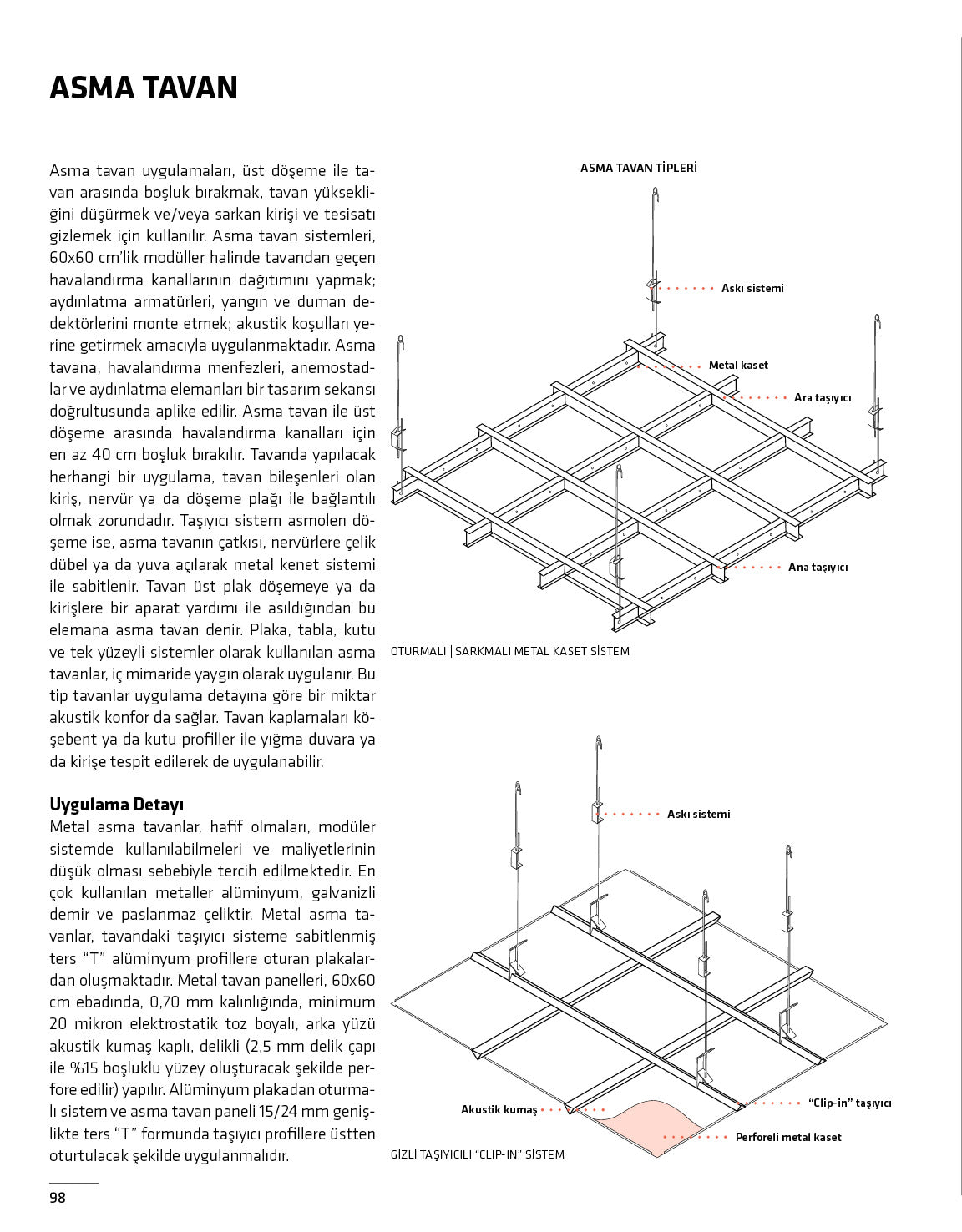
In Material and Detail in Interior Architecture, prepared by Genco Berkin primarily for interior architecture and architecture students, as well as designers and practitioners new to the profession, 40 different design elements for interior space design, the processing of raw materials, issues designers should consider in material selection, and the most suitable detail analysis applicable on-site are brought together and presented with original drawings.
The book, together with Material and Detail in Architecture, also written by Genco Berkin, forms the "Material and Detail Series."
In Material and Detail in Interior Architecture, all data (for example, the necessary knowledge for designing furniture: ergonomics, materials, construction, textiles, surface treatments, color information) is presented in a plain and easily understandable manner through carefully prepared drawings, with the aim of providing young designers, in particular, with a complete set of skills to support the design process, focusing on details and materials.
Detail is the reconciliation between spirit and mind. Detail evokes a sense of order in people. This feeling arises from the hierarchy and communication between materials. Detail, to take shape, sometimes draws inspiration from construction requirements and sometimes from material properties. Above all, detail enhances the performance of the element used; it extends its durability. For designers, detail is the blending of aesthetic concerns with function. For example, a table detail in a dining room cannot be considered separately from the sideboard that appears as an extension of the fireplace and wall. Every piece of furniture and interior architectural element must speak the same language, supporting each other's roles to convey a message.
In addition to detail, the designer must also design the spatial organization. Because detail and space are design processes that reveal the purpose of use and proceed in coordination. Every space needs an ancillary space. This is a pantry and a terraced barbecue for the kitchen, and a dressing room and en-suite bathroom for the bedroom. Louis I. Kahn, one of the last representatives of modern architecture, described this idea as "servant space" and "served space."
In the service it provides, the designer presents spatial and furniture products for use under comfort criteria to the client. The main interior architectural comfort criteria are air quality, natural light adequacy, thermal balance, and ergonomics. To meet all these criteria, the designer must choose the longest-lasting and least harmful material. Many chemicals are used to protect materials. However, there are also products that make materials long-lasting through natural methods. But natural products are not as effective as chemicals. The interior architect's task will be to establish this balance correctly.
In this book, many points are specified regarding what elements the designer should pay attention to during the material selection process. For example, the decisions made about the material to be used when designing a door and the detail requirements are explained carefully. Furthermore, the necessity of designing the elements used in interior architecture in harmony with each other is also stated. The junctions of baseboards and door frames are among the most important detail solutions in space designs.
The book covers all the design parameters necessary for designers. For example, the necessary equipment for designing furniture includes knowledge of ergonomics, materials, construction, textiles, surface treatments, and color. In addition to all these, the history of furniture has also been incorporated into the topics. The content of the book has been prepared to provide those involved in interior design with a complete set of skills to support the design process, focusing on details and materials.
Designers such as Charles Rennie Mackintosh, Frank Lloyd Wright, Le Corbusier, Vedat Tek, and Carlo Scarpa, who elevated their designs not only in the art of architecture but also in interior architecture, crowned material with detail; thus integrating furniture and architectural elements with space. Detail shows the importance we give to the norms of life. The names listed above succeeded because they transformed detail into a motif. In doing so, they also avoided unnecessary ornamentation. Thanks to this book, designers will be able to consider material production methods and detail application together; they will be able to treat every element that constitutes the space as if it were a part of the space itself...”
