
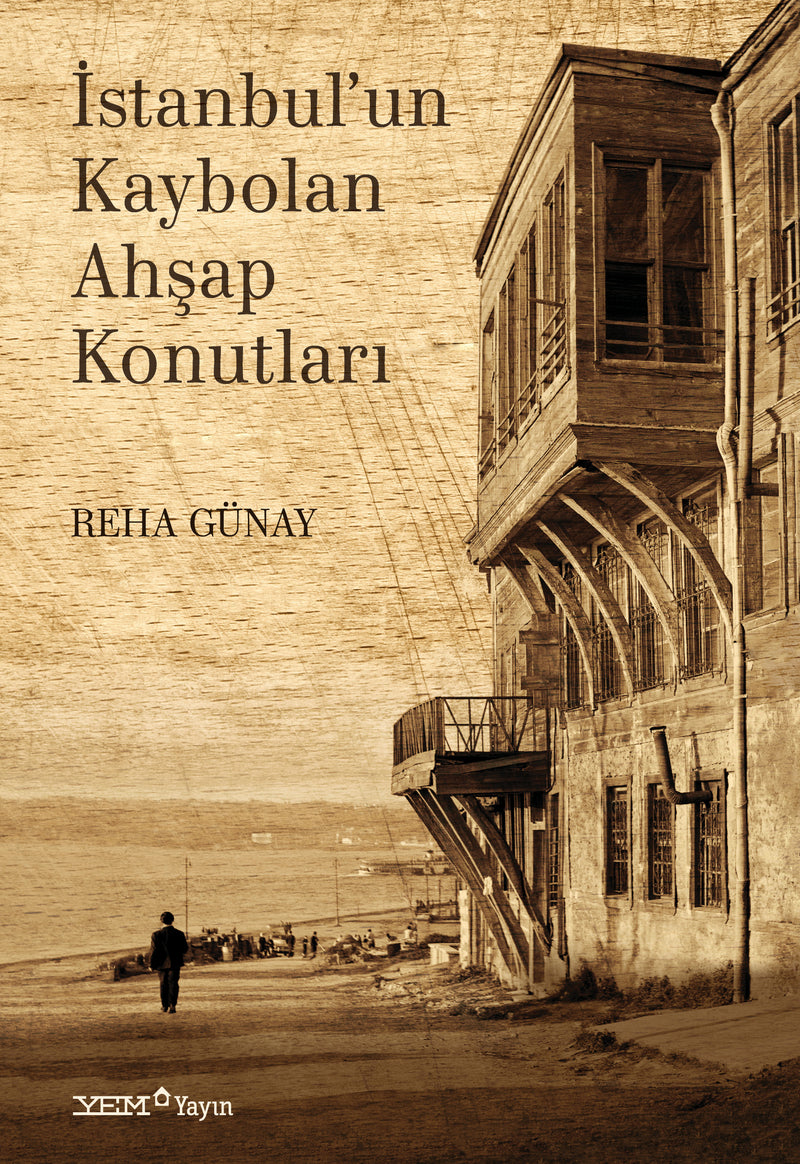
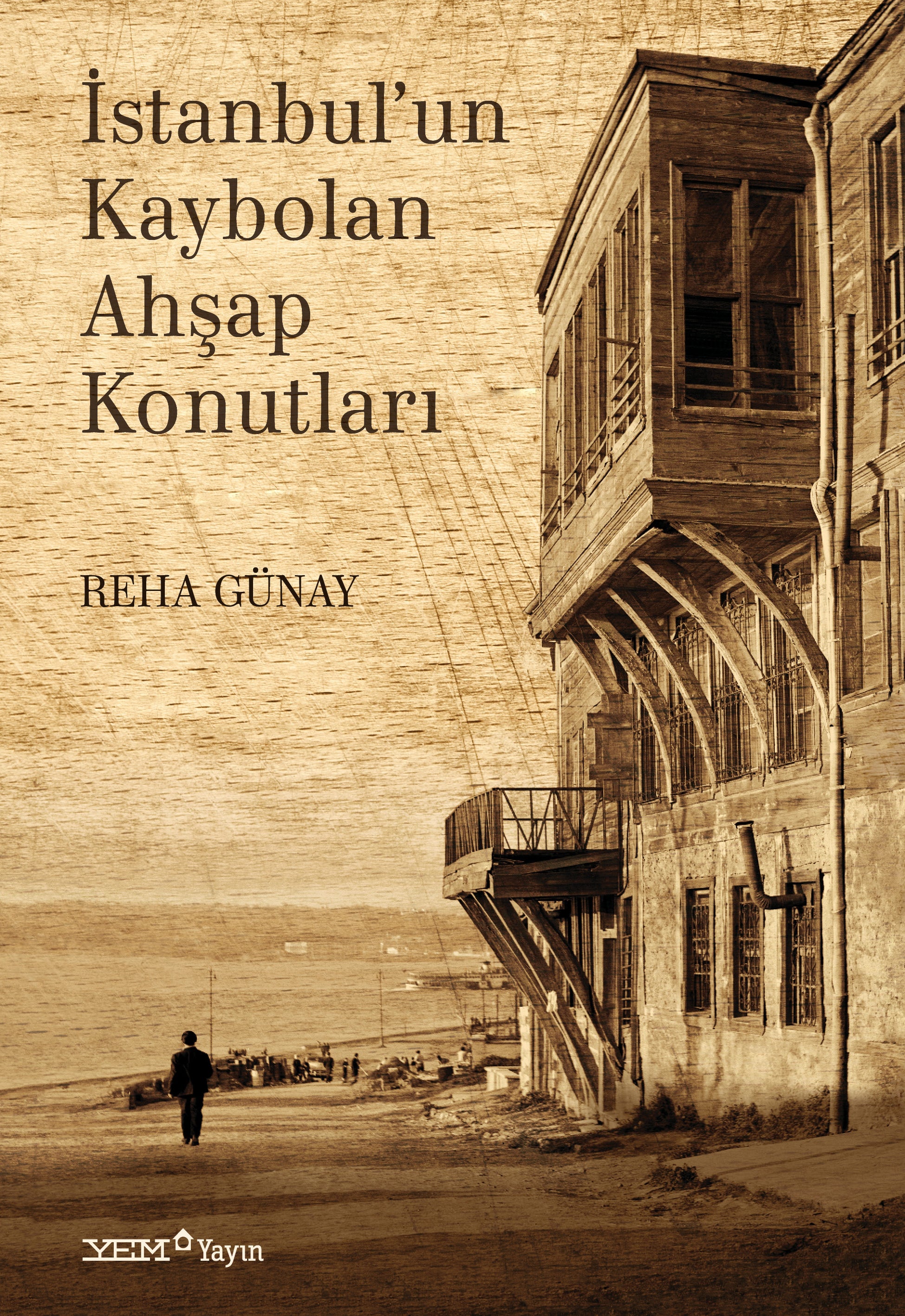
Istanbul's Vanishing Wooden Houses
Yazar: Reha Günay
Brand: YEM Yayın
Basım Tarihi: Kasım 2021
Basım Dili:
Sayfa Sayısı: 296Boyut: 16.5 x 24.0 cm.
Out Of Stock
9786257008419
Product Description
A new edition of Prof. Dr. Reha Günay's book, "The Lost Wooden Houses of Istanbul," which documents the wooden architectural fabric of Istanbul that has been a characteristic feature of the city for centuries but has now vanished, has been released.
The new version of the book, without compromising its content, quality, or page count, was prepared in a smaller size than the first editions to make it easily portable for readers and affordably priced, and it was printed on lightweight paper.
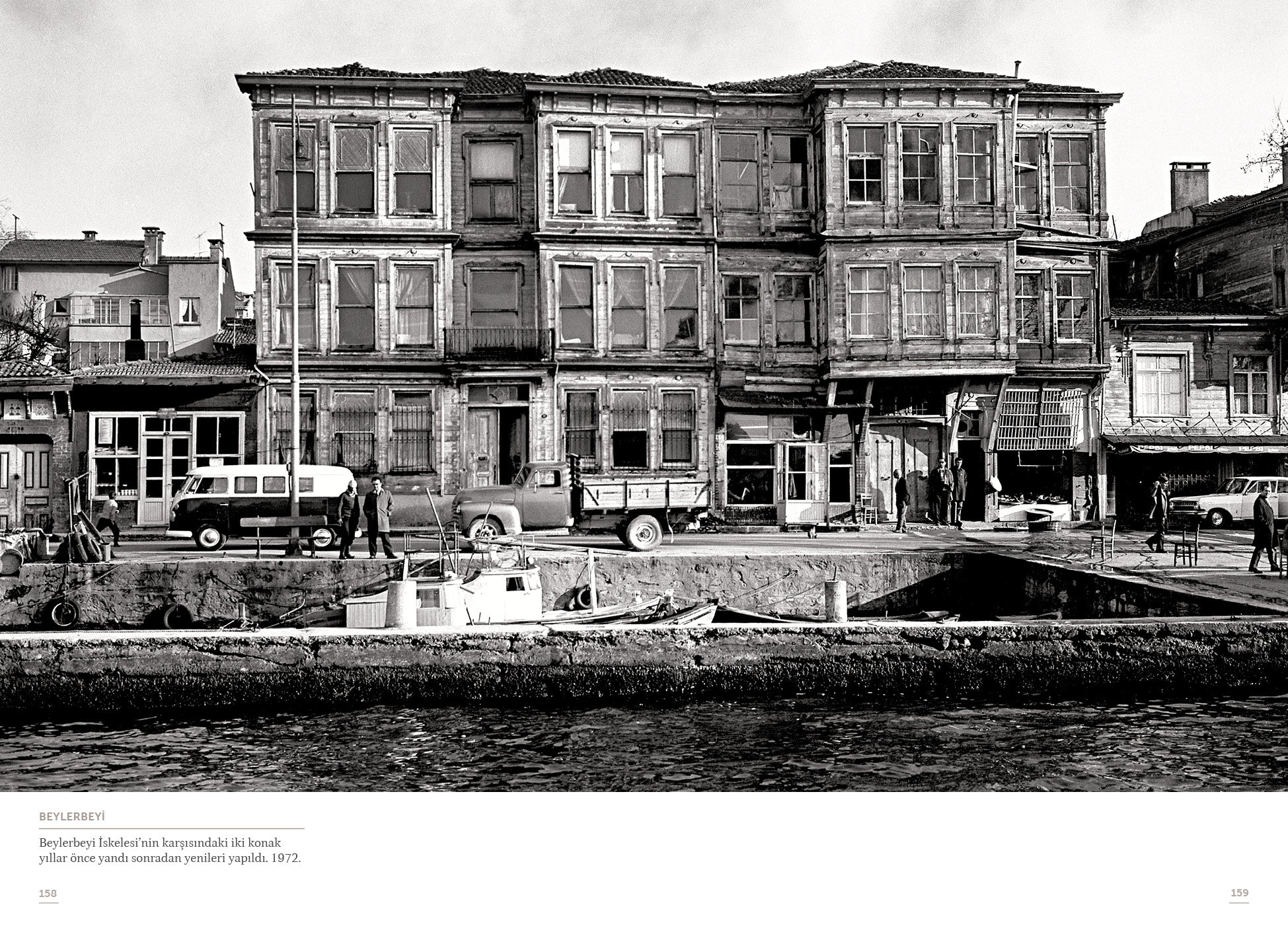
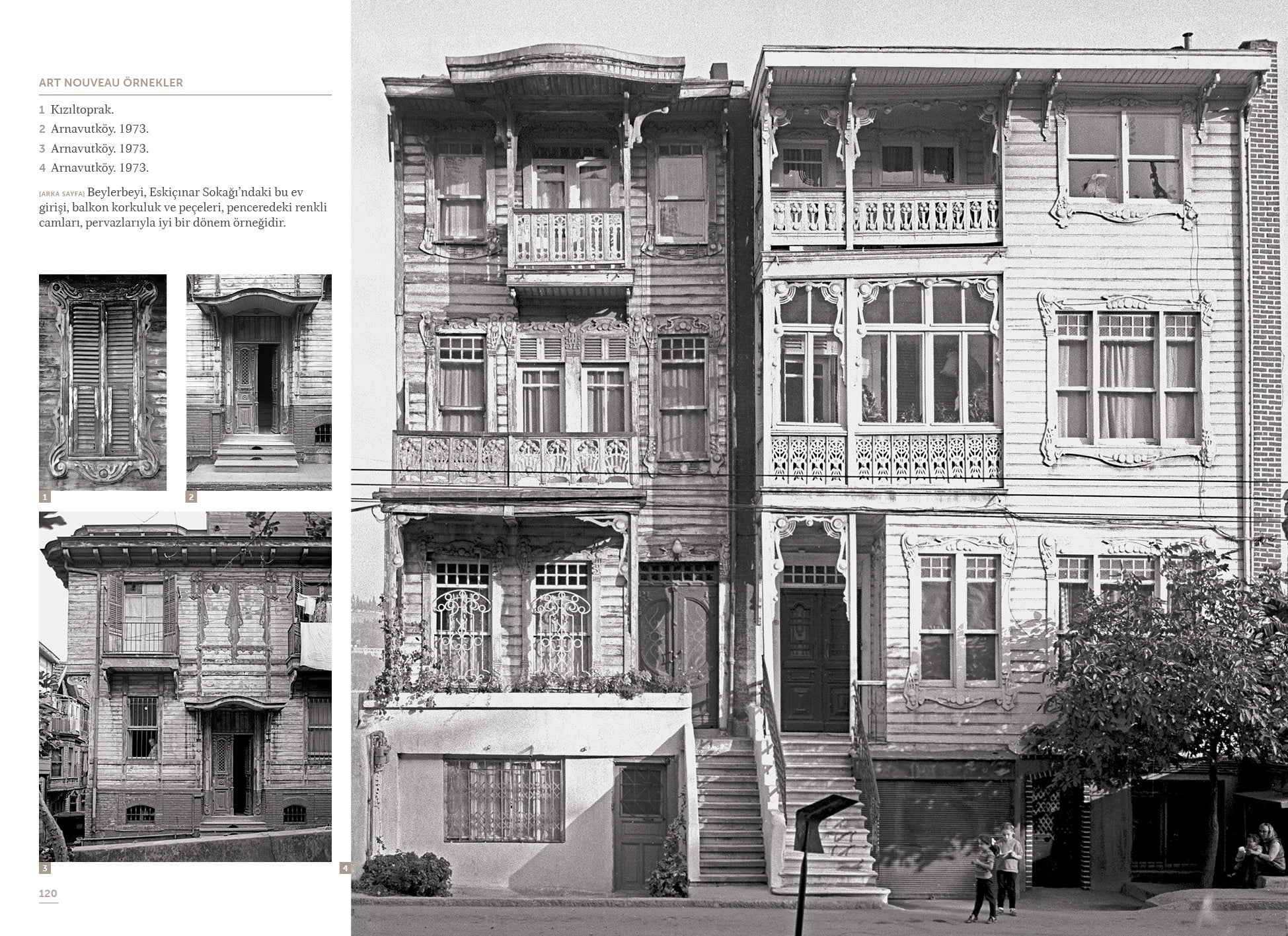
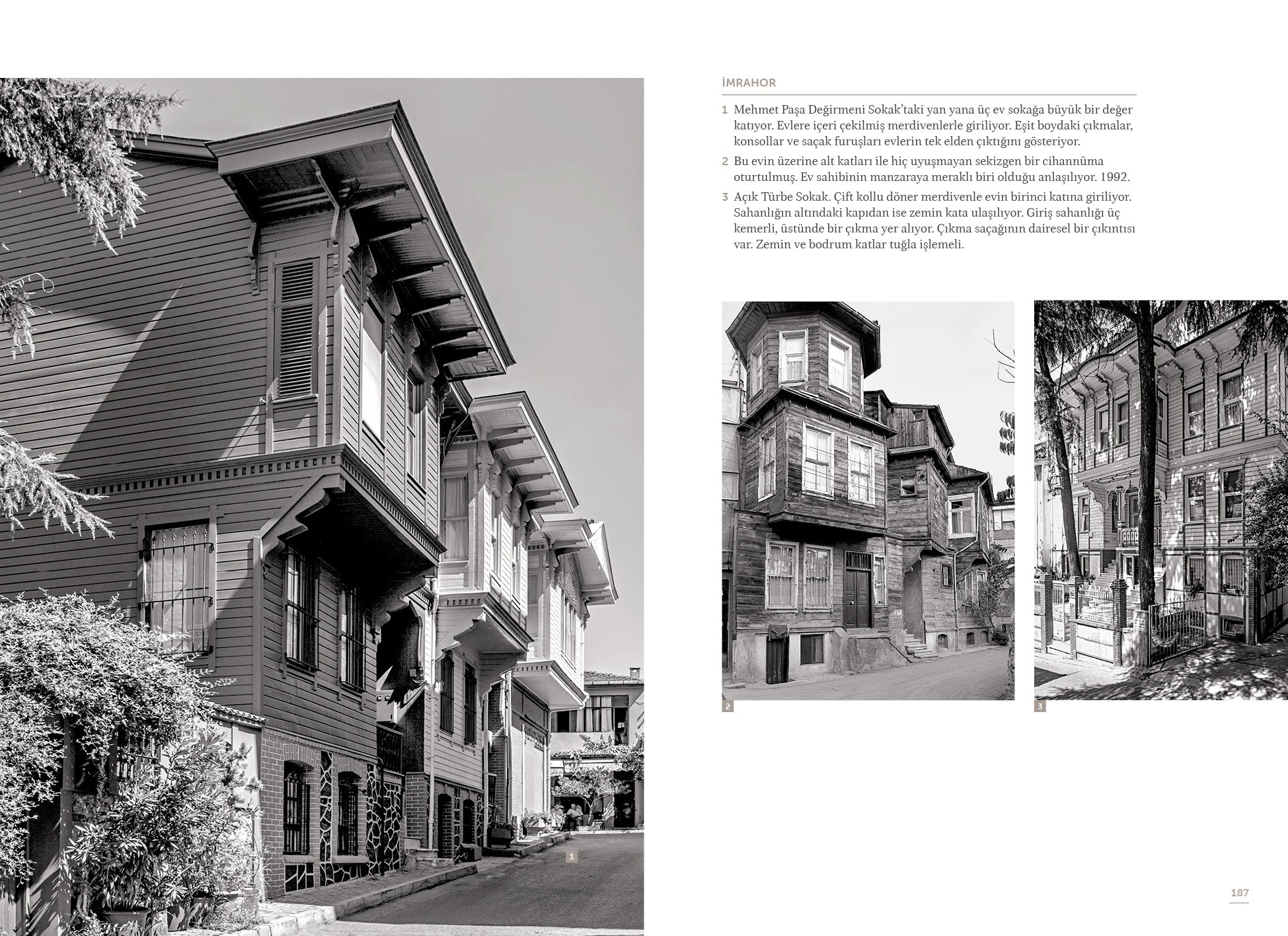
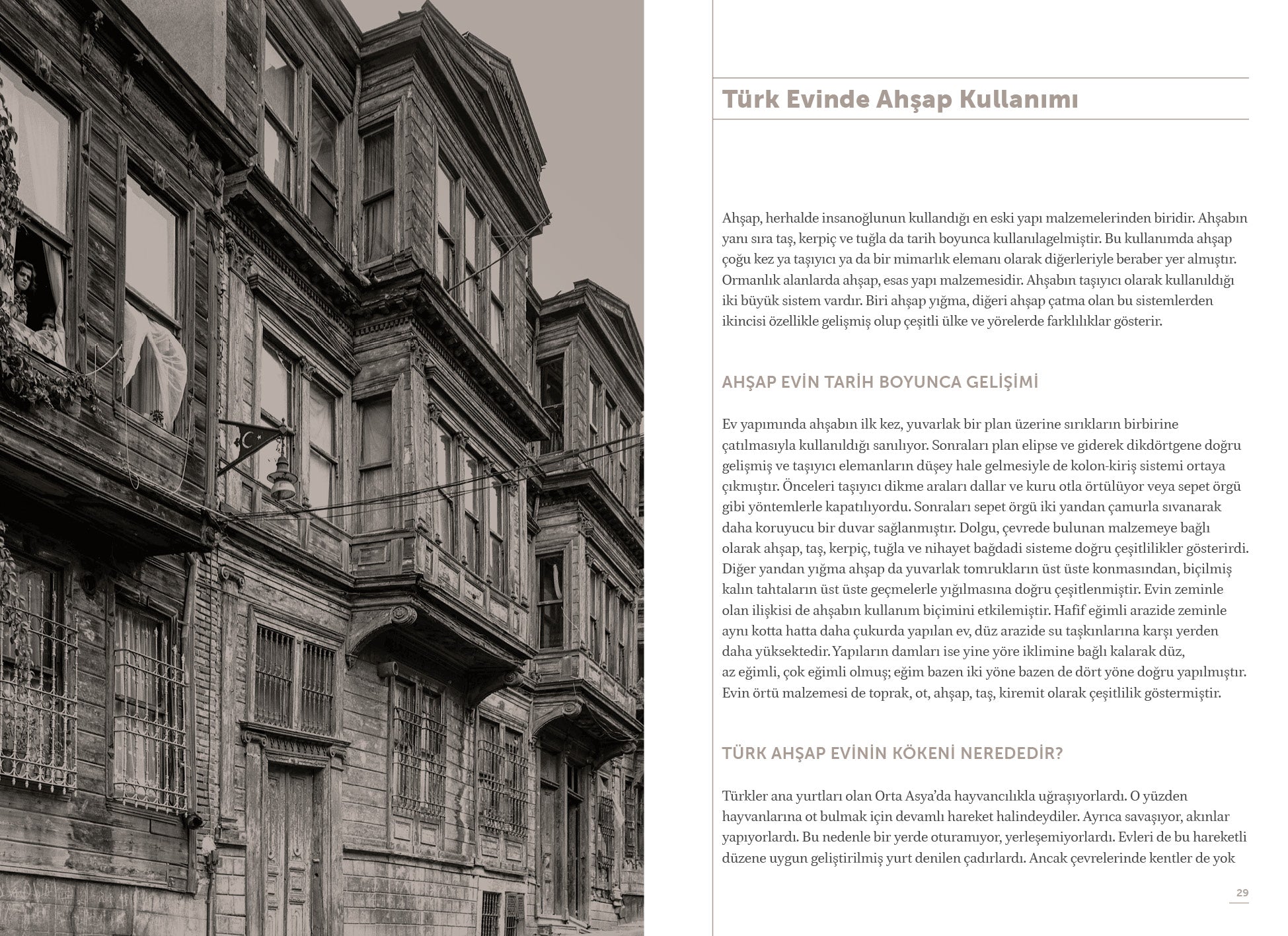
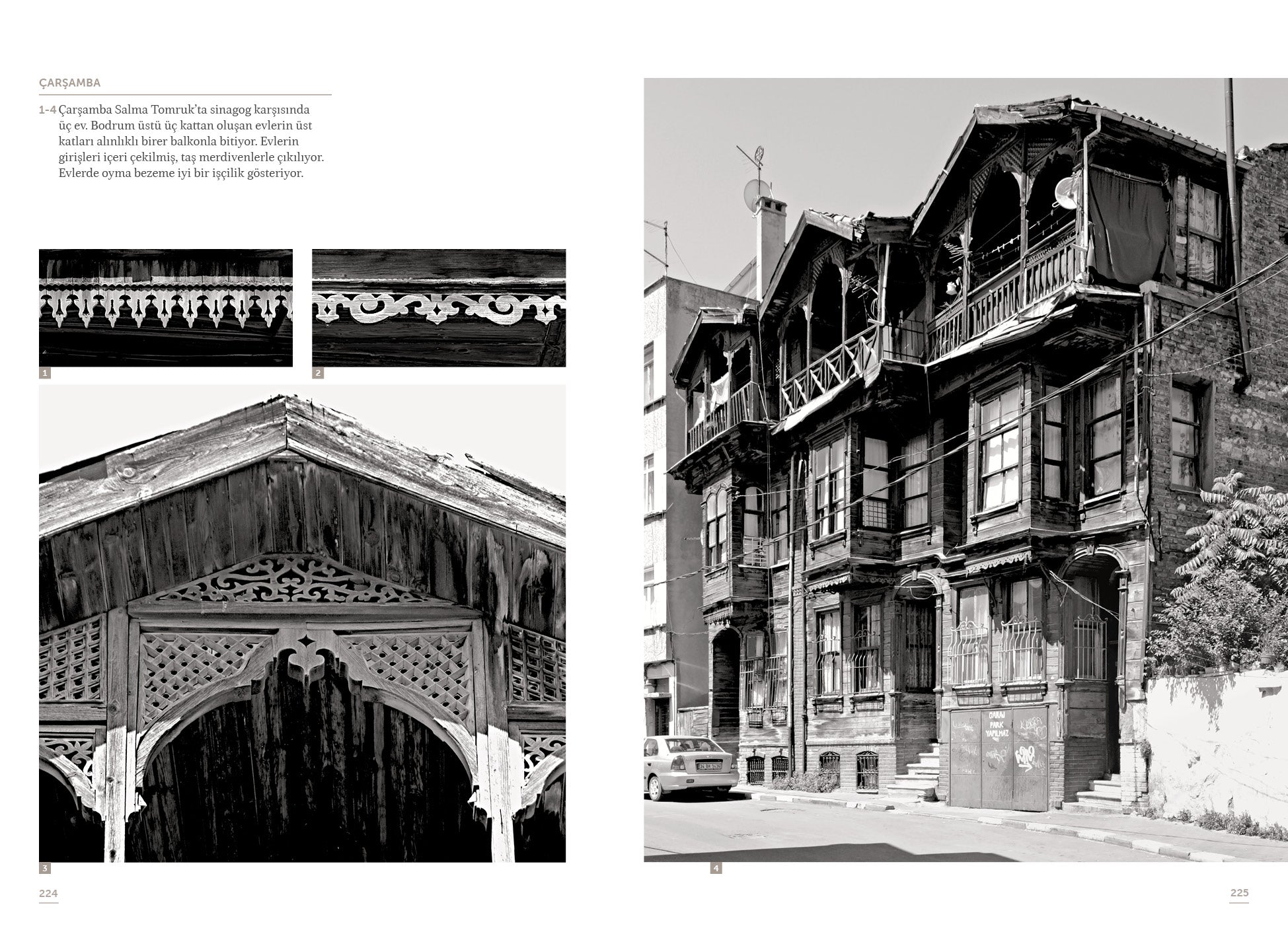
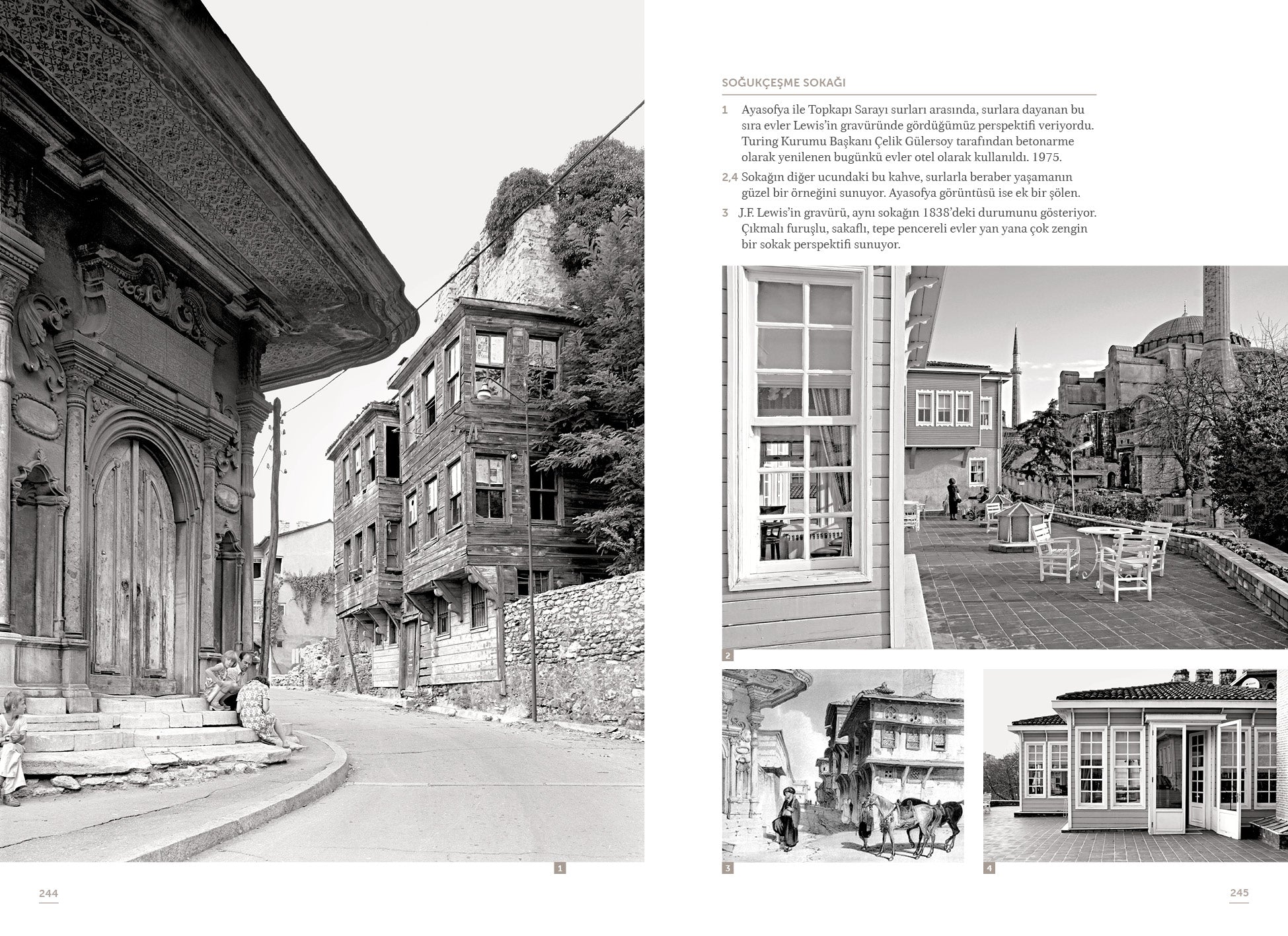
The book, prepared by YEM Yayın, consists of two main sections: The first part starts with the history of wooden house construction and explains the concept of "Turkish house" in terms of its architecture and construction technique. It then presents distinguished examples of this tradition that have survived to the present day, accompanied by plans, drawings, engravings, and photographs. The second part attempts to trace the residential fabric of Istanbul district by district with over 200 black-and-white photographs selected from nearly 4000 photographs taken by Reha Günay at different times from 1960 to the present. Günay's lens takes us on a historical journey from Zeyrek to Süleymaniye, from Cibali to Beşiktaş, from Üsküdar to Anadoluhisarı, from Kadıköy to Göztepe.
- and the 16th century to the present, where the most extraordinary examples of the Turkish house tradition came to life, Istanbul seems to have lost the wooden residential fabric it preserved until recently, and the parallel culture of living that developed with it. This book, which immortalizes examples of this tradition with unique photographs, stands out as an important documentation work that will convey this typology and the residential fabric it created to future generations.
The Lost Wooden Houses of Istanbul aims to be a documentation work that goes beyond merely describing a building typology or construction technique, providing insights into the home life and social relations of an era, and also "showing how time has changed and where society, economy, technology, and urbanization have gone."
Prof. Dr. Reha Günay describes the book and the photographs included in it as follows:
"After graduating from ITU in 1960, as an architect, I tried to document my surroundings with only my own resources until now. The street I lived on, the roads I took to school, the neighborhoods, were all made up of wooden houses. Wooden houses that were gradually disappearing, being demolished and replaced by apartment buildings, always interested me, also with the education we received at the faculty. Whenever I had the opportunity, I would walk around the streets, look for houses with architectural features, and try to photograph them. Since I was looking for quality houses, dilapidated or altered houses that were rented out floor by floor, mansions, always remained outside the scope. Now, looking back, I think, 'I wish I had taken street photographs.' The street perspectives created by wooden houses; even if the houses were individually unexceptional or deteriorated, they were very beautiful. In architectural terms, they had an organic structure.
What I present in "The Lost Wooden Houses of Istanbul" is a part of my small collection! This so-called small collection includes almost three to four thousand frames from Istanbul. While preparing and selecting the photographs, I tried to show the houses together with their surroundings. Sometimes with an unbuilt, tree-lined adjacent plot, sometimes with telephone and electricity poles and wires, stovepipes extending from windows and the sooty canned goods attached underneath, with their connecting wires, with crows and pigeons that had made their homes in a rotten piece of the wooden house cladding, with tiny sparrow nests with grass hanging out, and later with television antennas placed on the roofs... All of these are documents that will go down in history as part of the house life of that time. From time to time, you will also see pictures of demolished, ruined houses. Ruined houses are among my favorites because they provide us with important information about construction methods. Furthermore, scattered houses remaining in a deteriorating, or rather, urbanizing environment, not only give us information about the old fabric of that neighborhood but are also documents that show how time has changed and where society, economy, technology, and urbanization have gone. You can either learn from it, or you can say, 'Change is fundamental, it couldn't have been otherwise,' and move on..."
CONTENTS
INTRODUCTION
Wooden Houses in My Memories
Istanbul Houses Through the Eyes of Sedad Hakkı Eldem
TURKISH HOUSE TRADITION
What is a Turkish House?
Lifestyle
Rooms
Turkish House Plan Types
USE OF WOOD IN TURKISH HOUSES
Development of Wooden Houses Throughout History
Where is the Origin of the Turkish Wooden House?
ISTANBUL HOUSES
Historical Development of Istanbul Houses
- and 16th Century Houses
- Century Classical Ottoman Houses (First Period)
- Century Ottoman Baroque Period Houses (Second Period)
- Century Empire Houses – Napoleonic Period Classicism – (Third Period)
- Century Vizier and Statesmen's Mansions in Istanbul
EXAMPLES OF WOODEN HOUSES FROM THE ANATOLIAN SIDE
EXAMPLES OF WOODEN HOUSES FROM THE RUMELIAN SIDE
