
Foreign and Levantine Architects of Istanbul
Yazar: Cengiz Can
Brand: Arketon Yayınları
Basım Tarihi: Aralık 2023
Basım Dili: ["Turkish"]
Sayfa Sayısı: 248Boyut: 15.5 x 23.5 cm
In stock
9786057293633
Product Description
Cengiz Can’s study, which addresses an important aspect of late Ottoman architecture, has taken its place among Arketon books with its new edition. Can’s research, written as a thesis in 1993, was transformed into a book format after a meticulous editorial process and was first published in 2020. The new edition of the book, which quickly sold out, is reaching readers with a new cover.
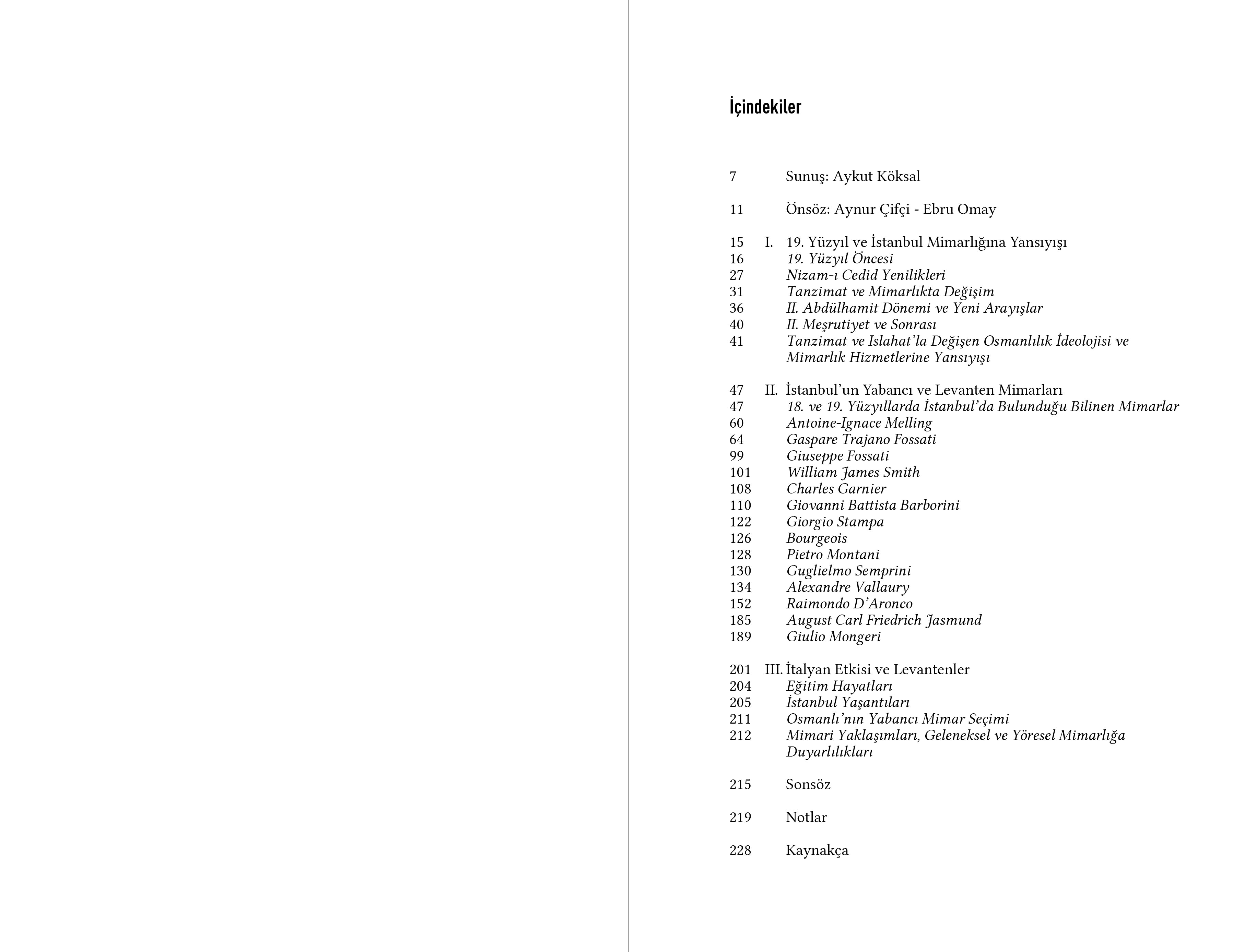
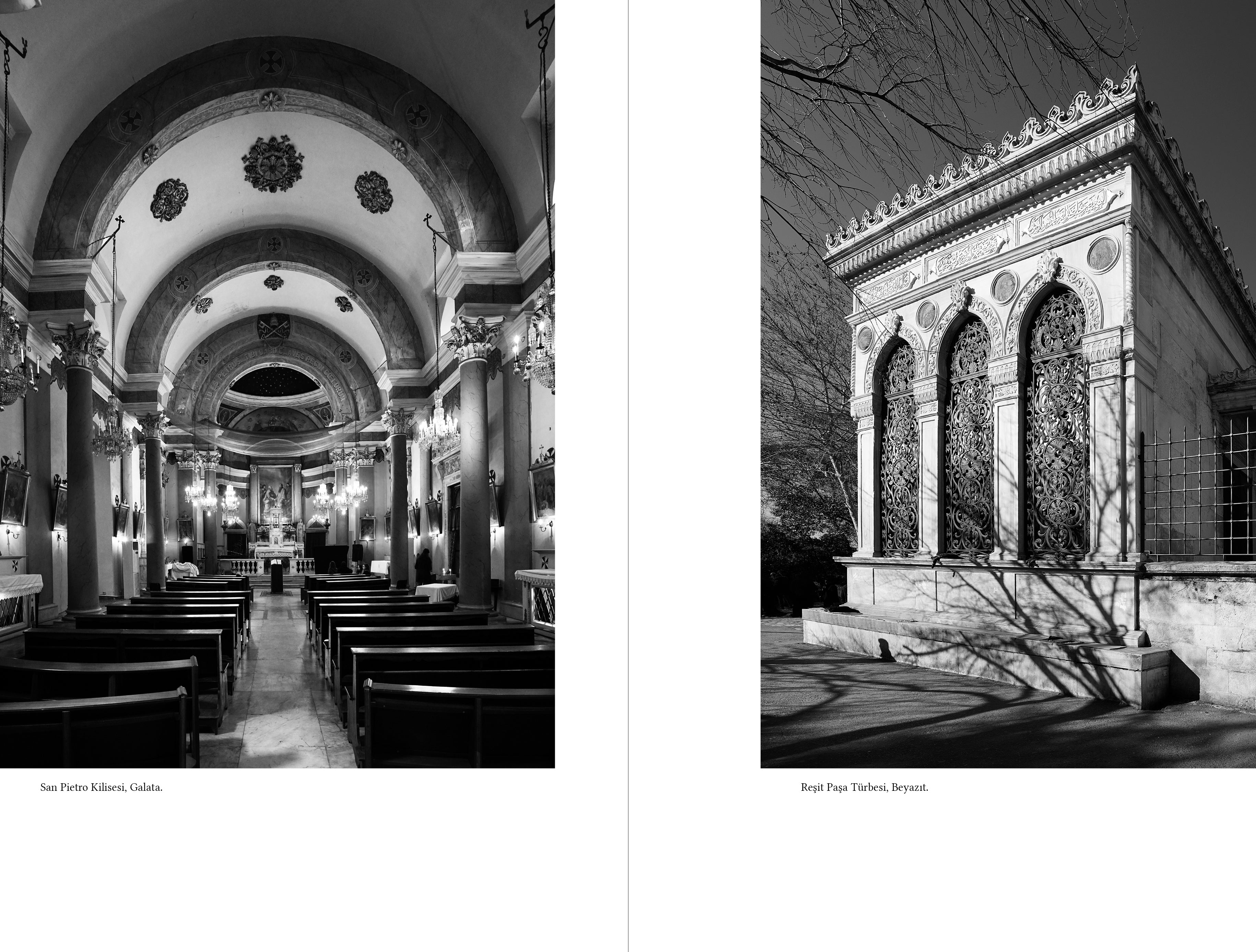
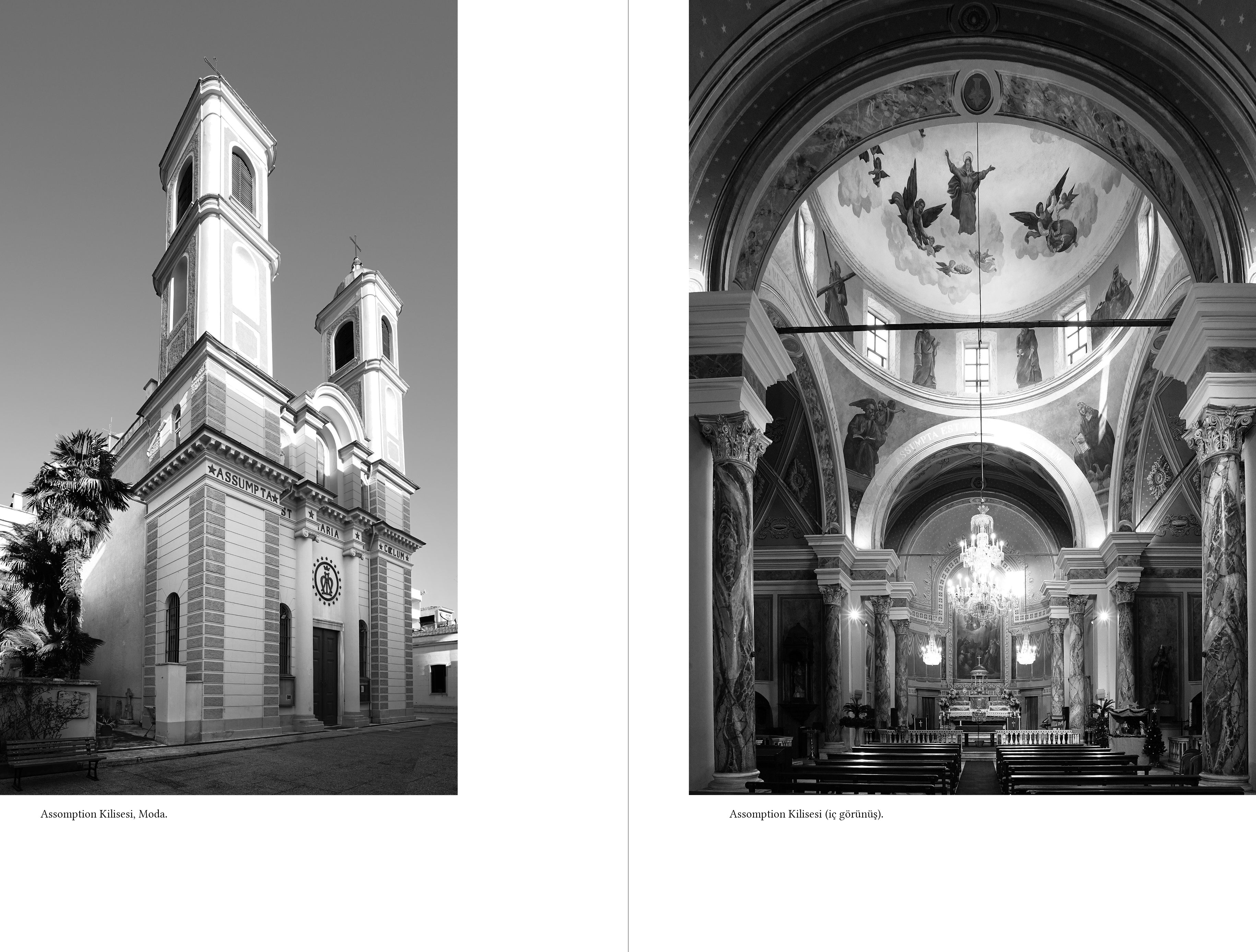
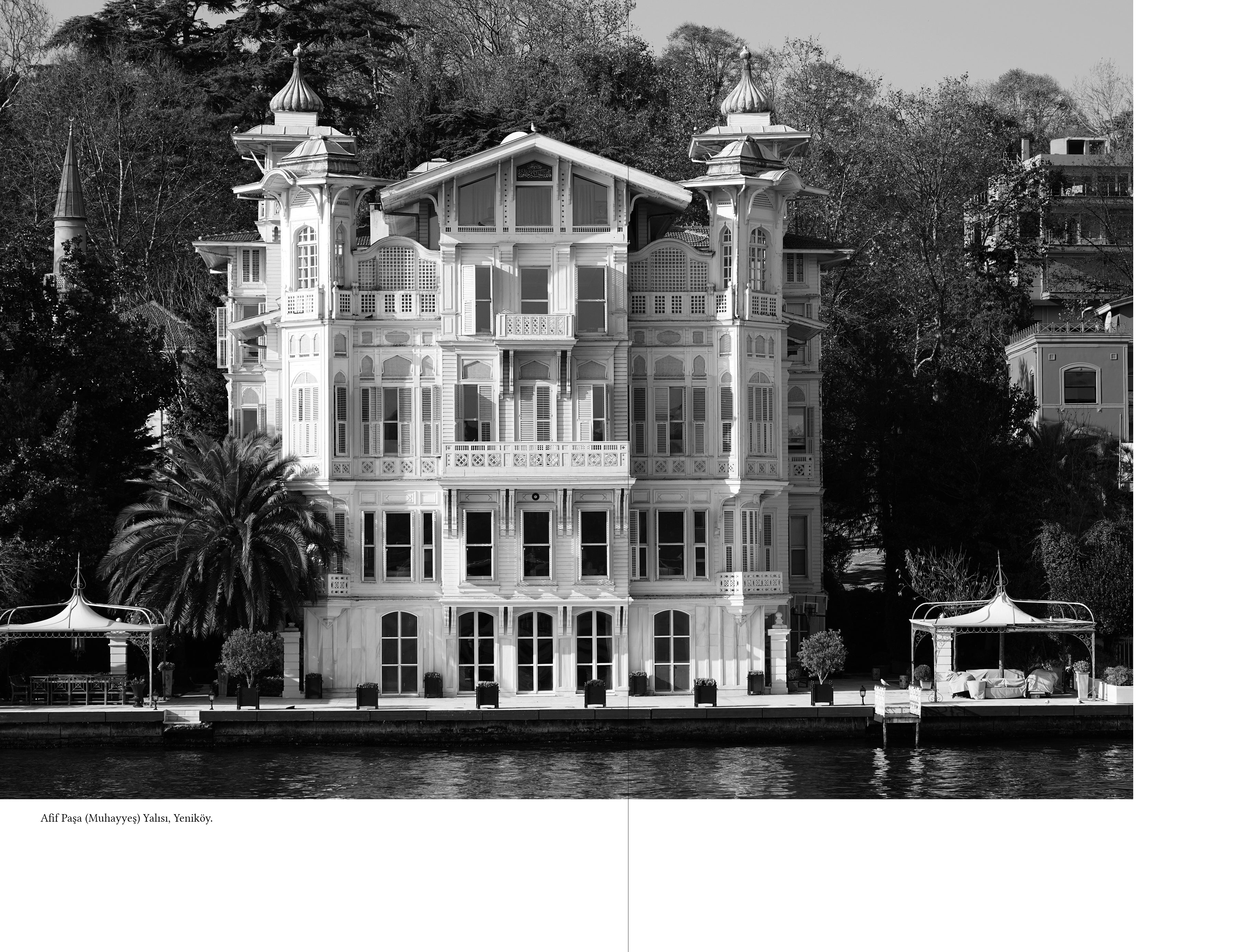
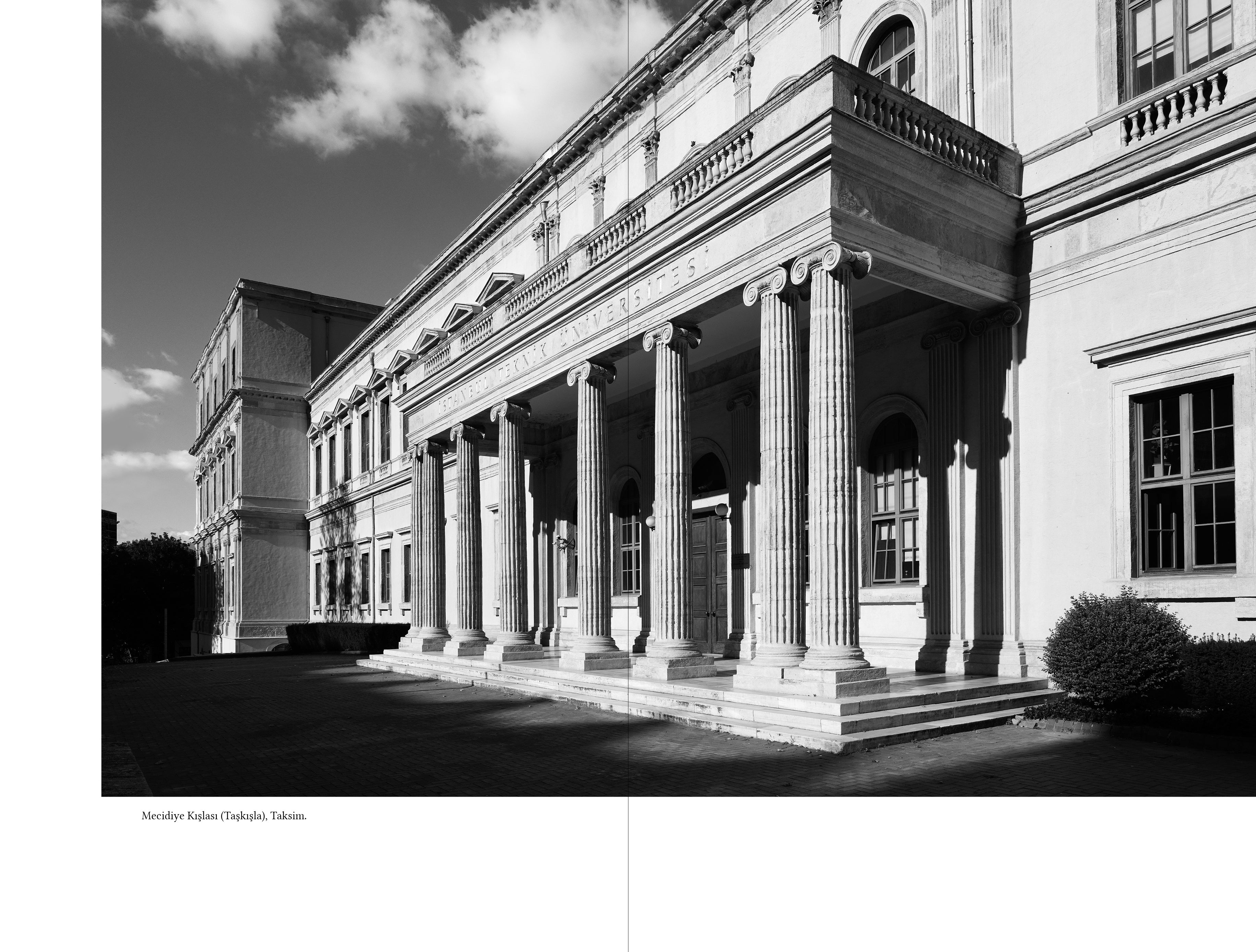
The work, complemented by photographs taken by Aykut Köksal for this book, extends from Melling to the Fossati brothers, from Barborini to Montani, from Vallaury to D'Aronco, and to Mongeri. Can, who also examines architects about whom very little is known, reveals an era in all its dimensions.
In a section of his "Introduction" to the book, Aykut Köksal states: "Cengiz Can's book reveals that foreign and Levantine architects, who were previously known through superficial information and about whose lives very little was known, played a decisive and determining role at the culminating point of the modernization process of Ottoman architecture. Can investigates the lives of these architects by consulting previously unexamined sources and refutes certain entrenched prejudices. For example, he identifies some architects known as 'foreigners' as 'Ottoman Levantine architects.' It is immediately noticeable that a significant portion of the architects discussed by Cengiz Can are Italian or of Italian-Levantine origin. Can also underlines this fact and examines its reasons.
The productions of foreign and Levantine architects show a sharp break with 18th-century Ottoman architecture. This break is particularly evident in the greater dominance of new building programs resulting from Ottoman modernization compared to traditional programs. Furthermore, it would not be wrong to say that 19th-century Ottoman modernization parallels 19th-century European architecture. The eclectic approaches of the 19th century also found their echoes in these architects working in Istanbul.
Foreign architects working in Istanbul, such as Fossati and D'Aronco, are creative and competent designers whose works would be respectfully received in any European city. D'Aronco's Art Nouveau structures, in particular, constitute the distinguished and unique examples of the 'early Modernist' line seen simultaneously in the Ottoman capital. In discussing these architects, Cengiz Can provides a broad framework for a shadowed aspect of Ottoman modernization."
