
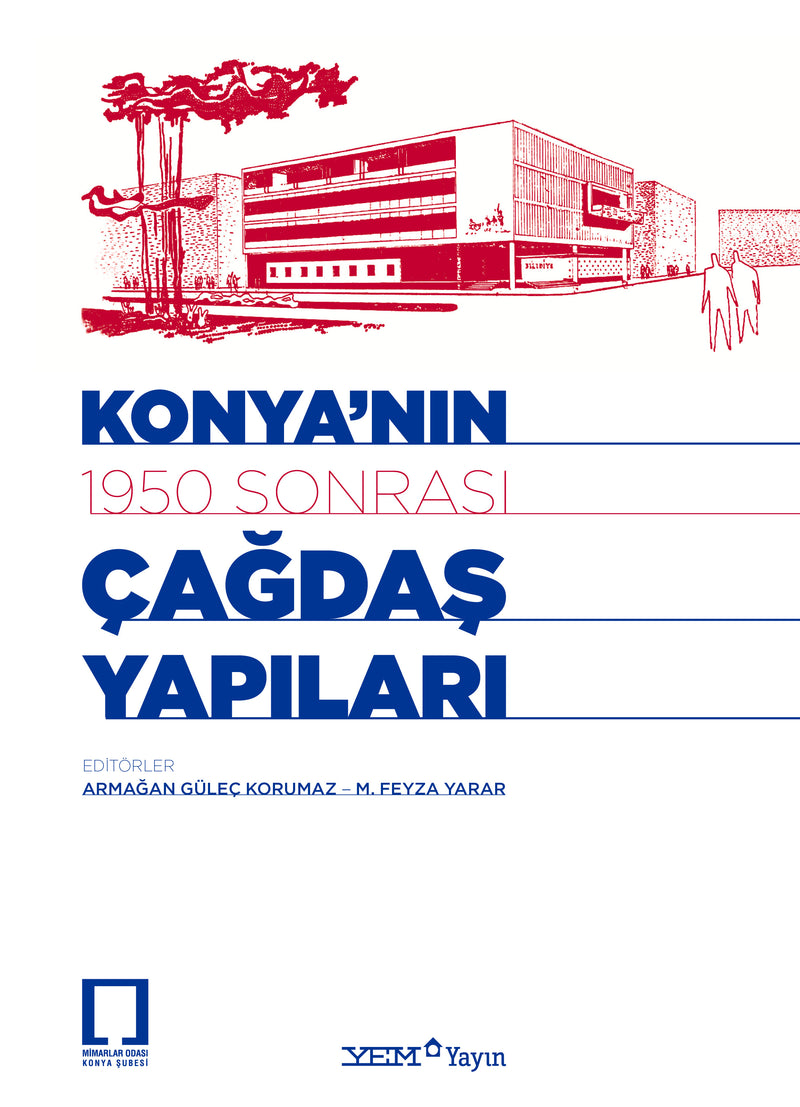
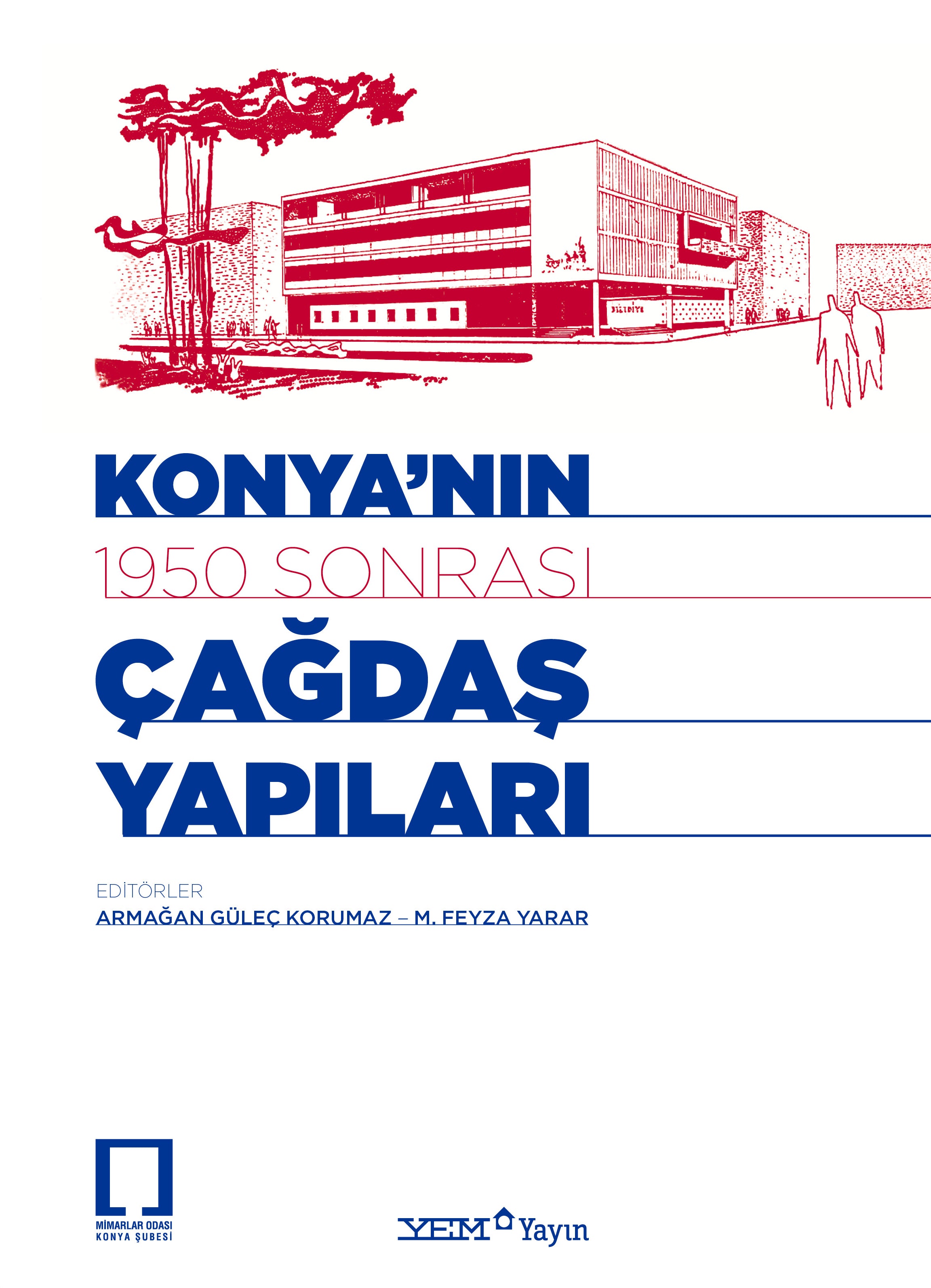
Konya's Post-1950 Modern Buildings
Yazar: Armağan Güleç Korumaz (Ed), M. Feyza Yarar (Ed)
Brand: YEM Yayın
Basım Tarihi: Aralık 2021
Basım Dili:
Sayfa Sayısı: 268Boyut: 19.5 x 27.0 cm
Out Of Stock
9786257008402
Product Description
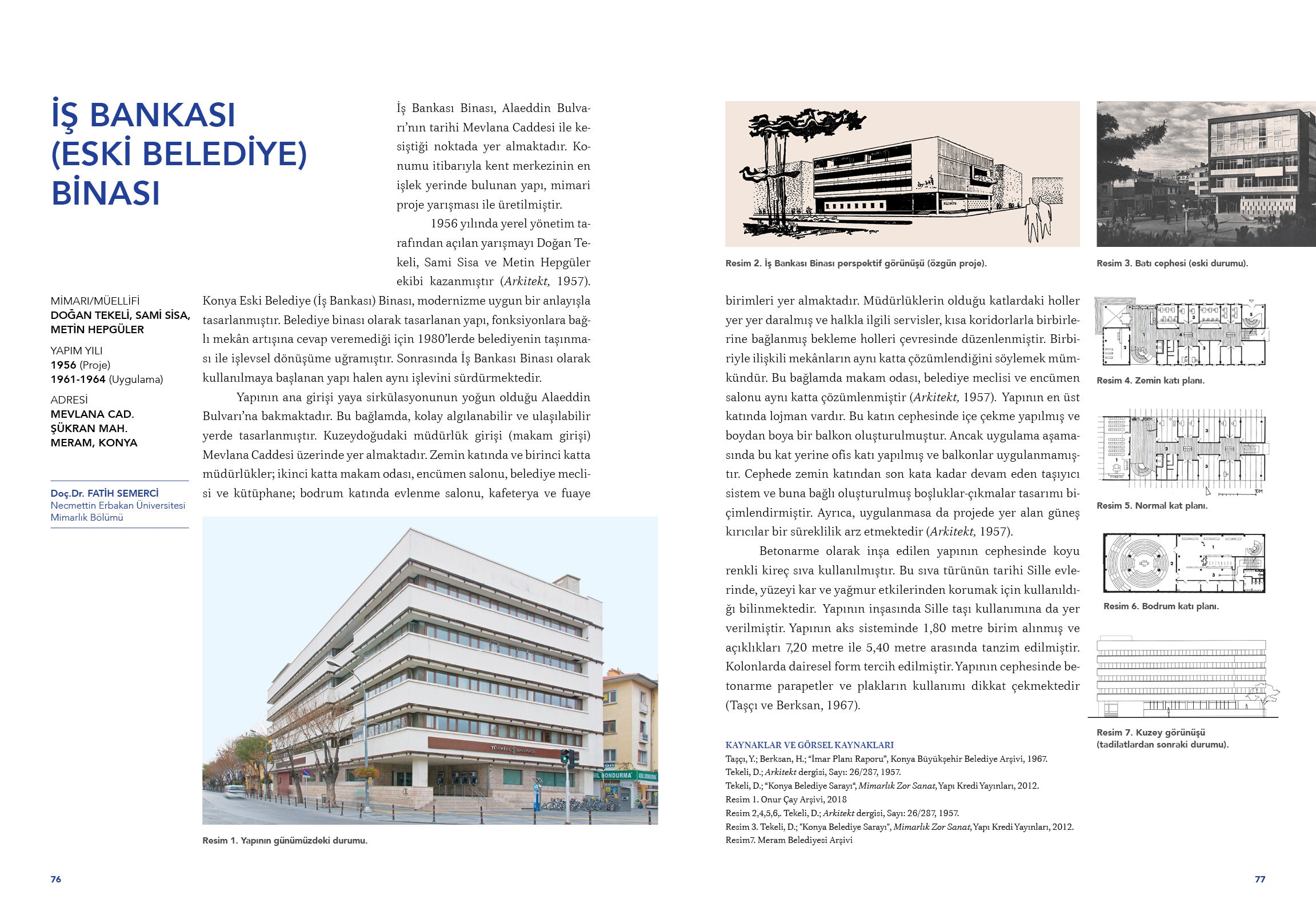
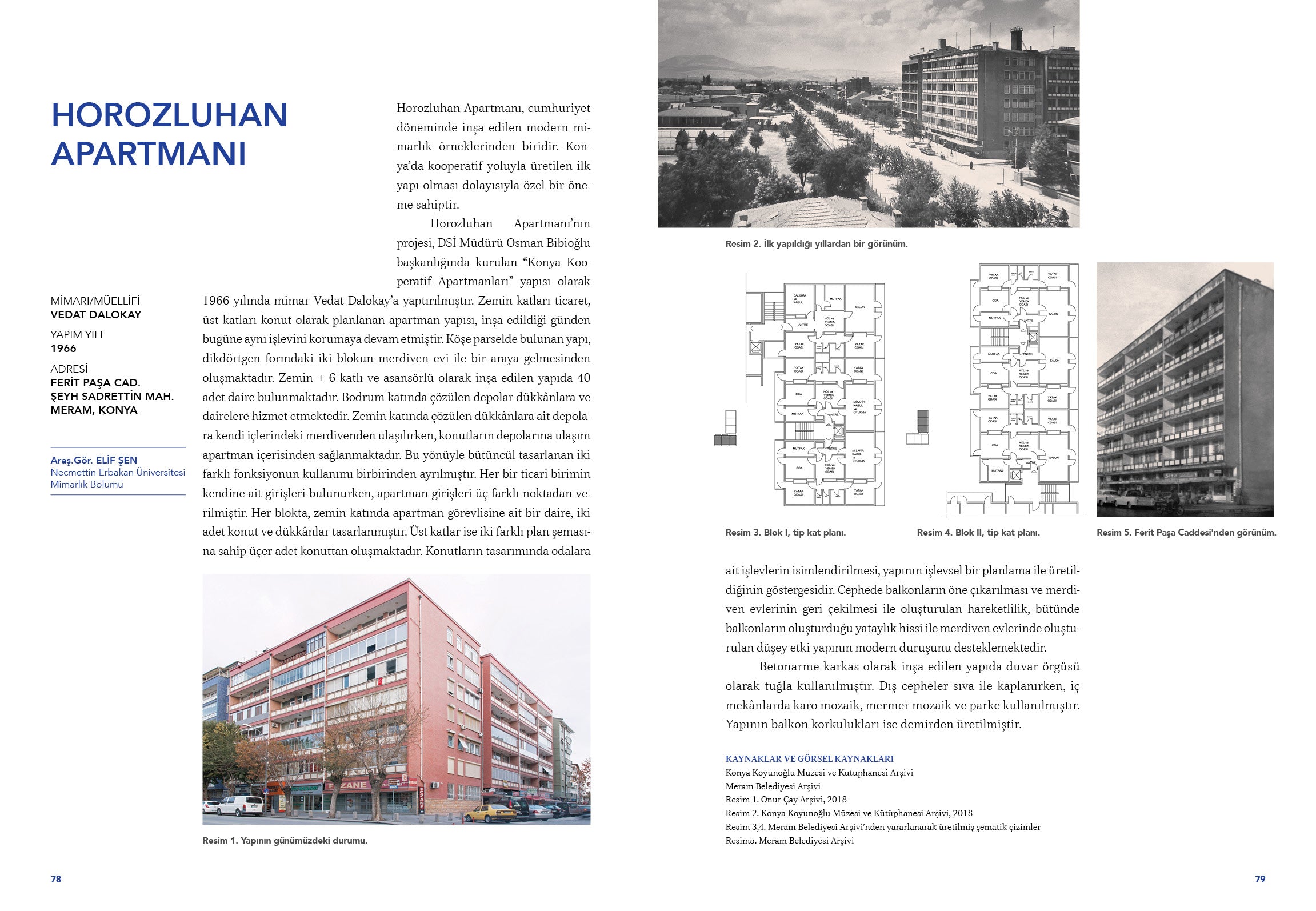
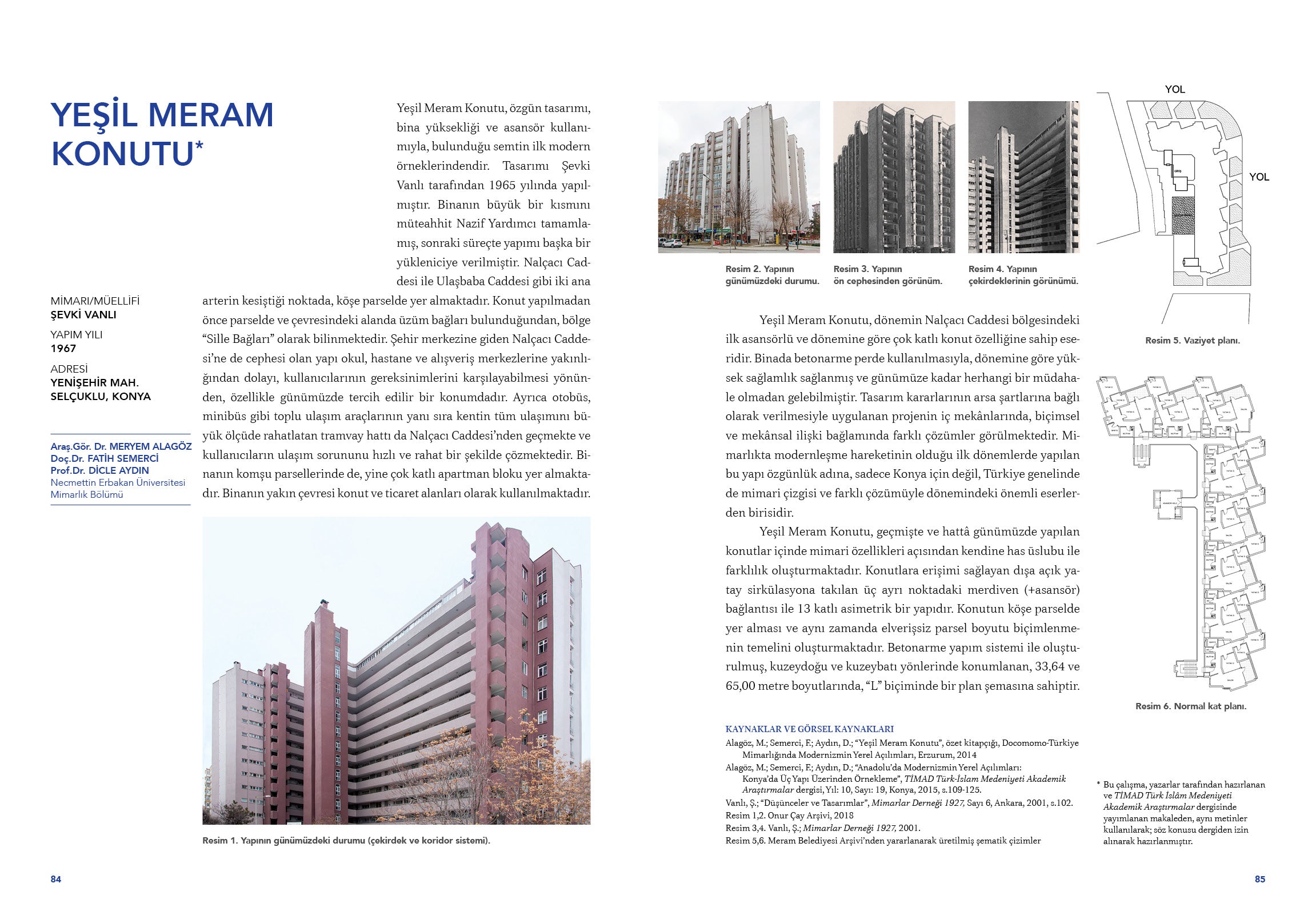
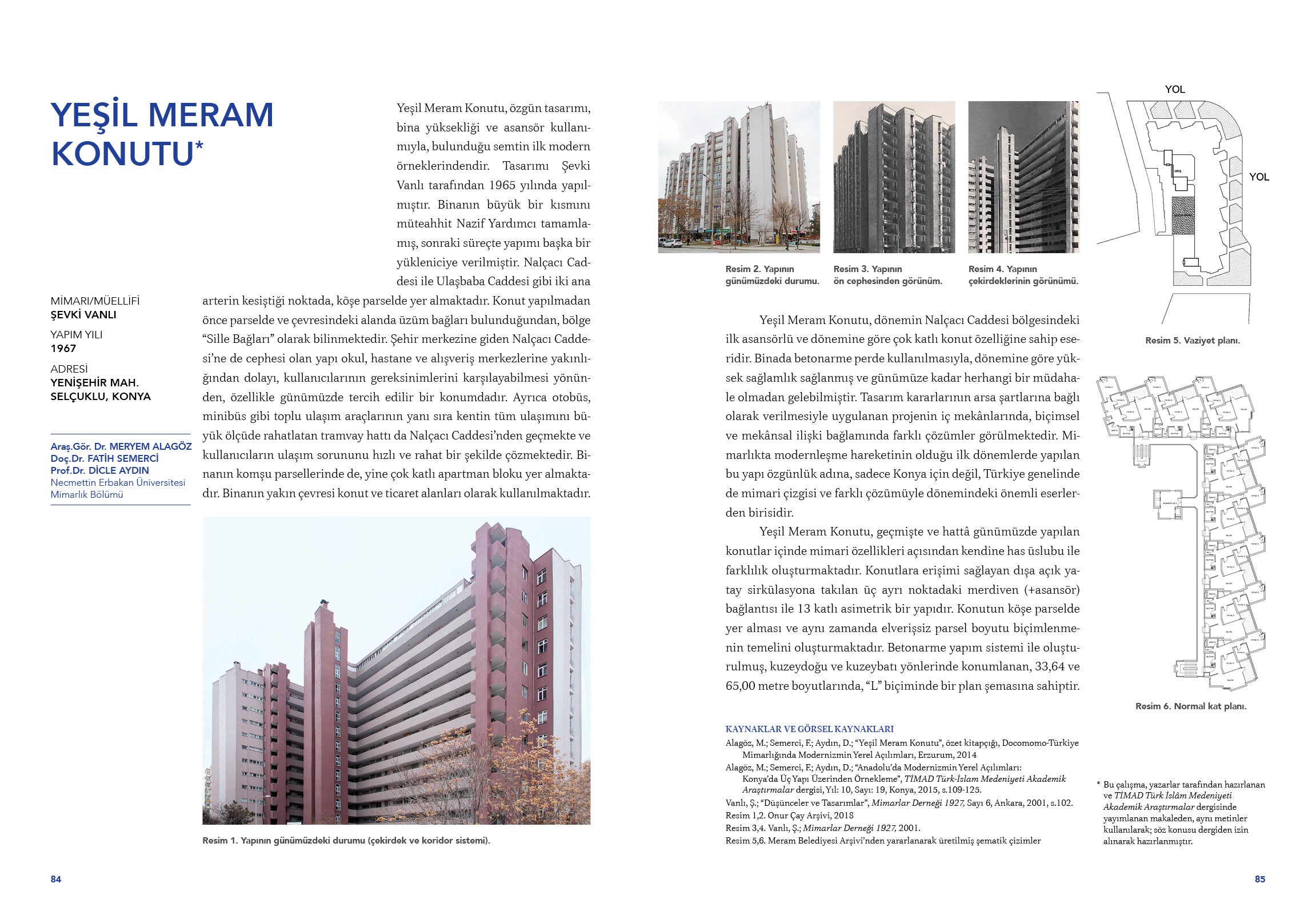
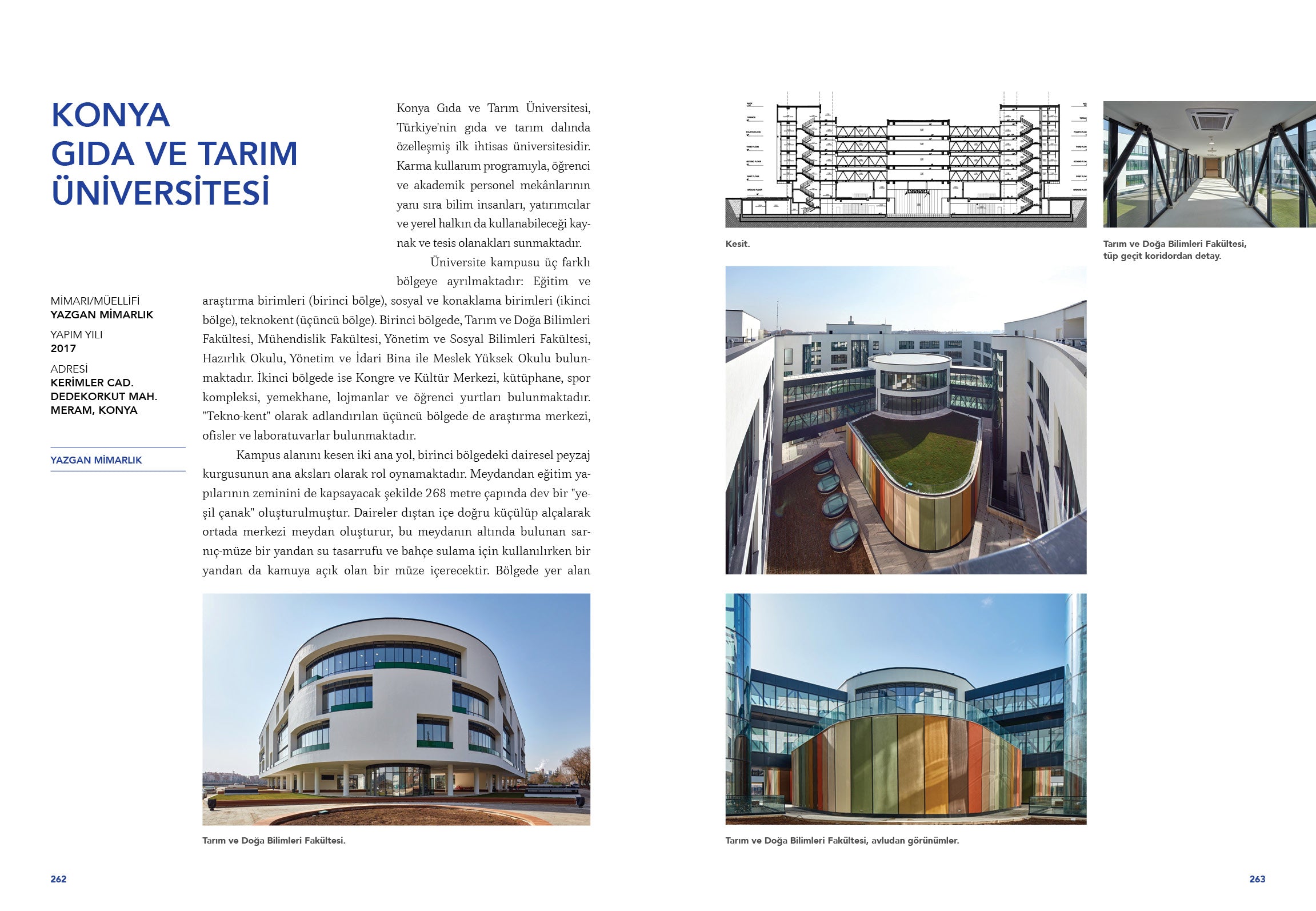
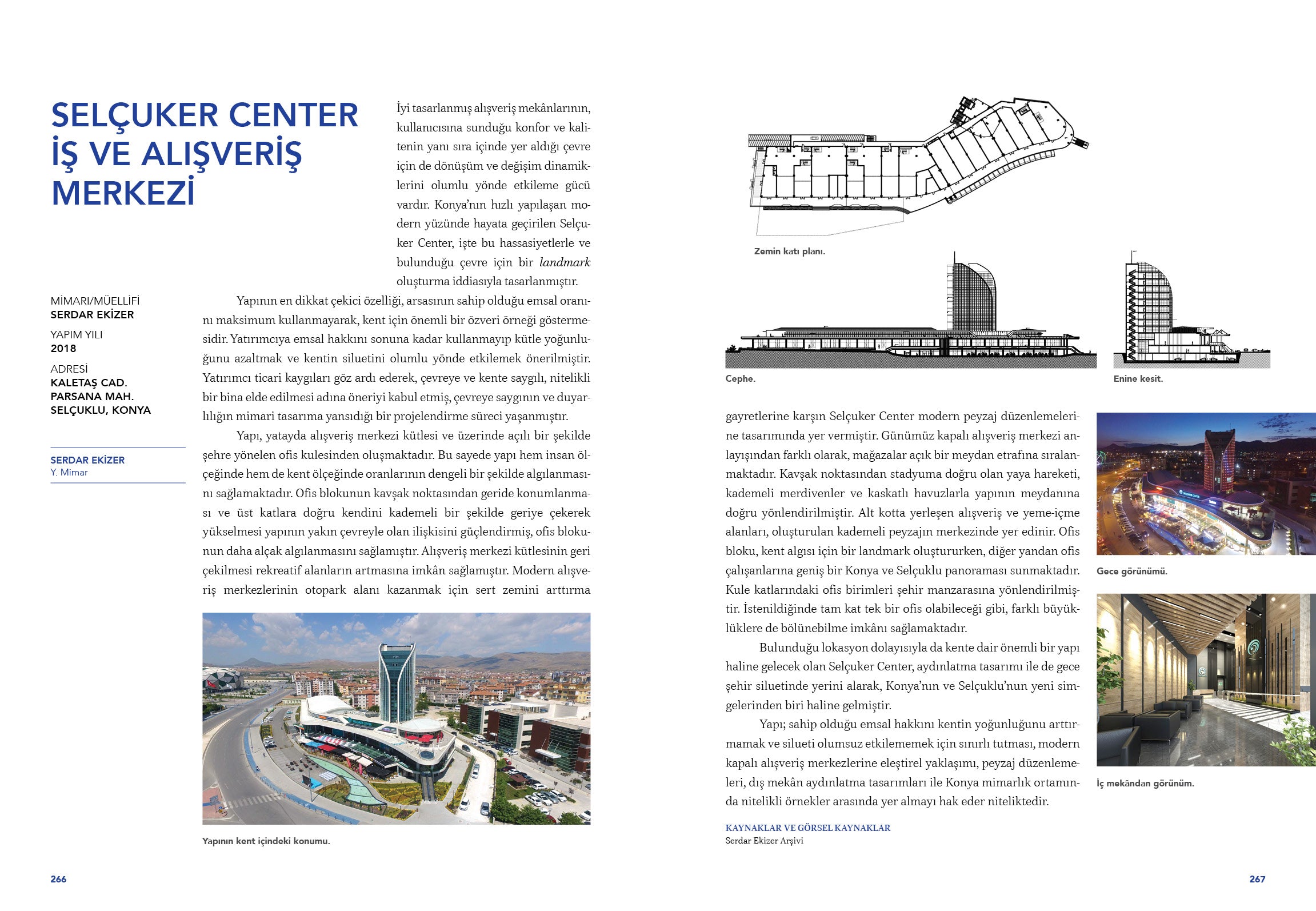
YEM Publications' joint publication with the Konya Branch of the Chamber of Architects, "Konya's Contemporary Buildings After 1950," was published with the valuable contributions of the Mevlana Development Agency (MEVKA).
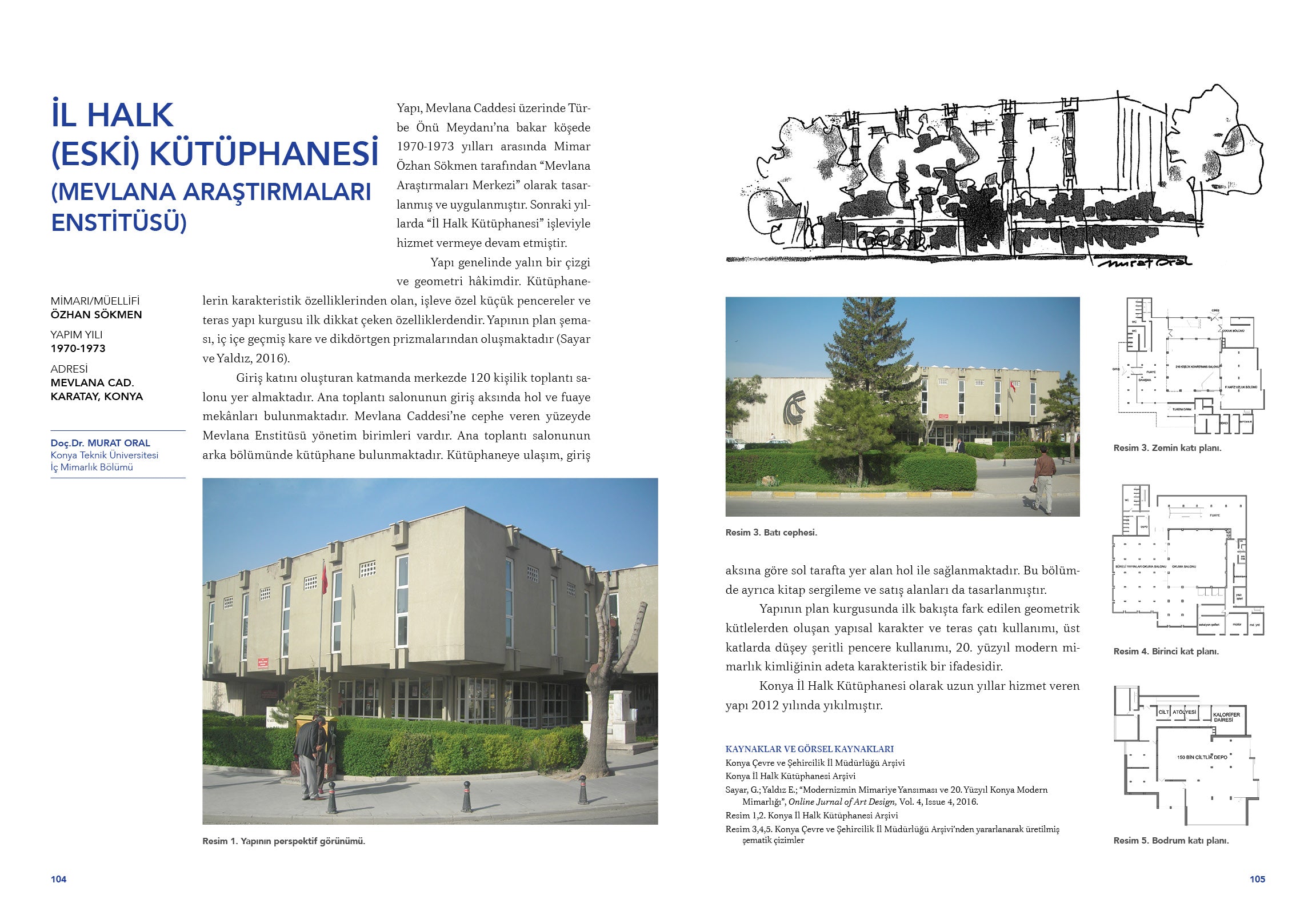
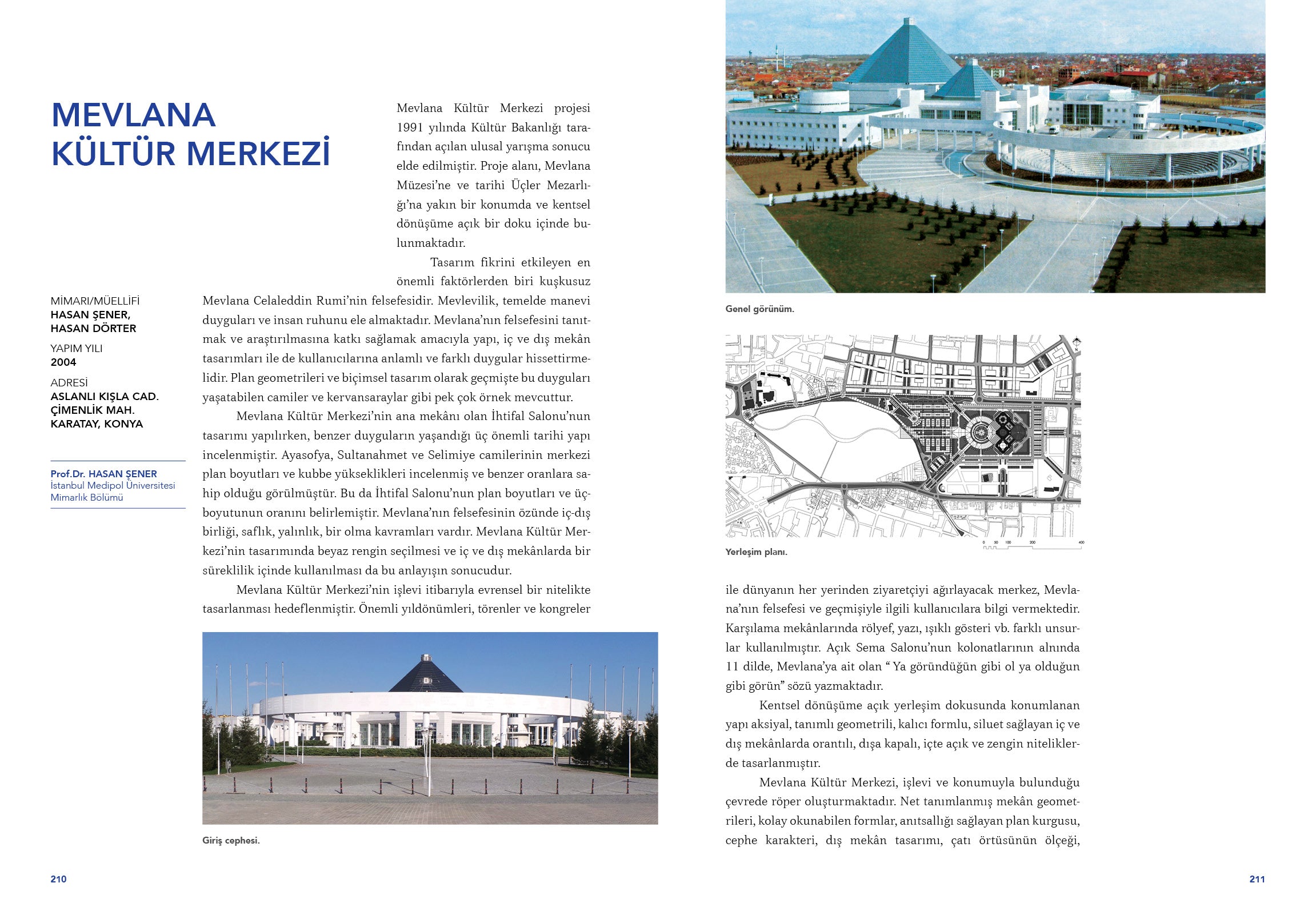
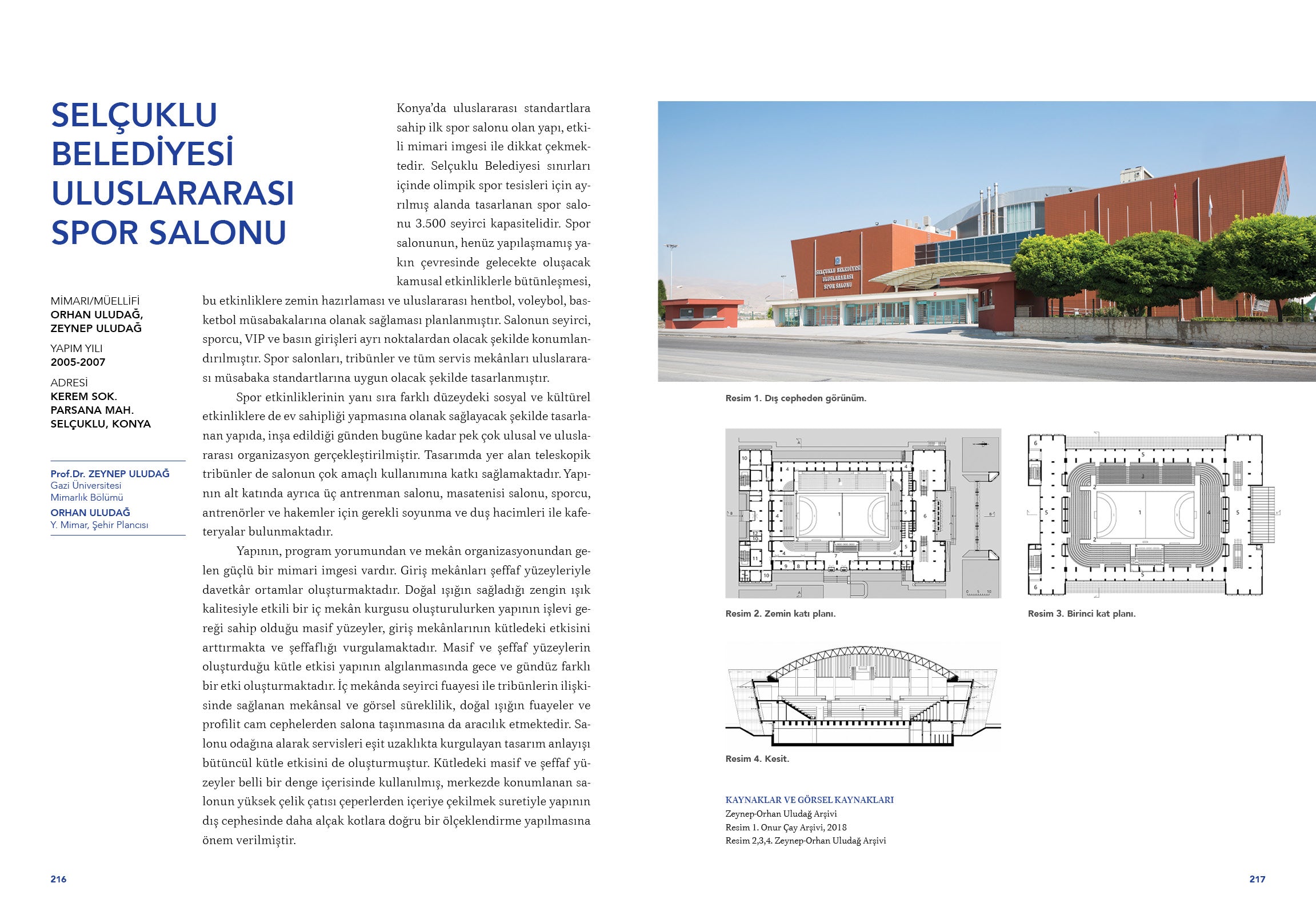
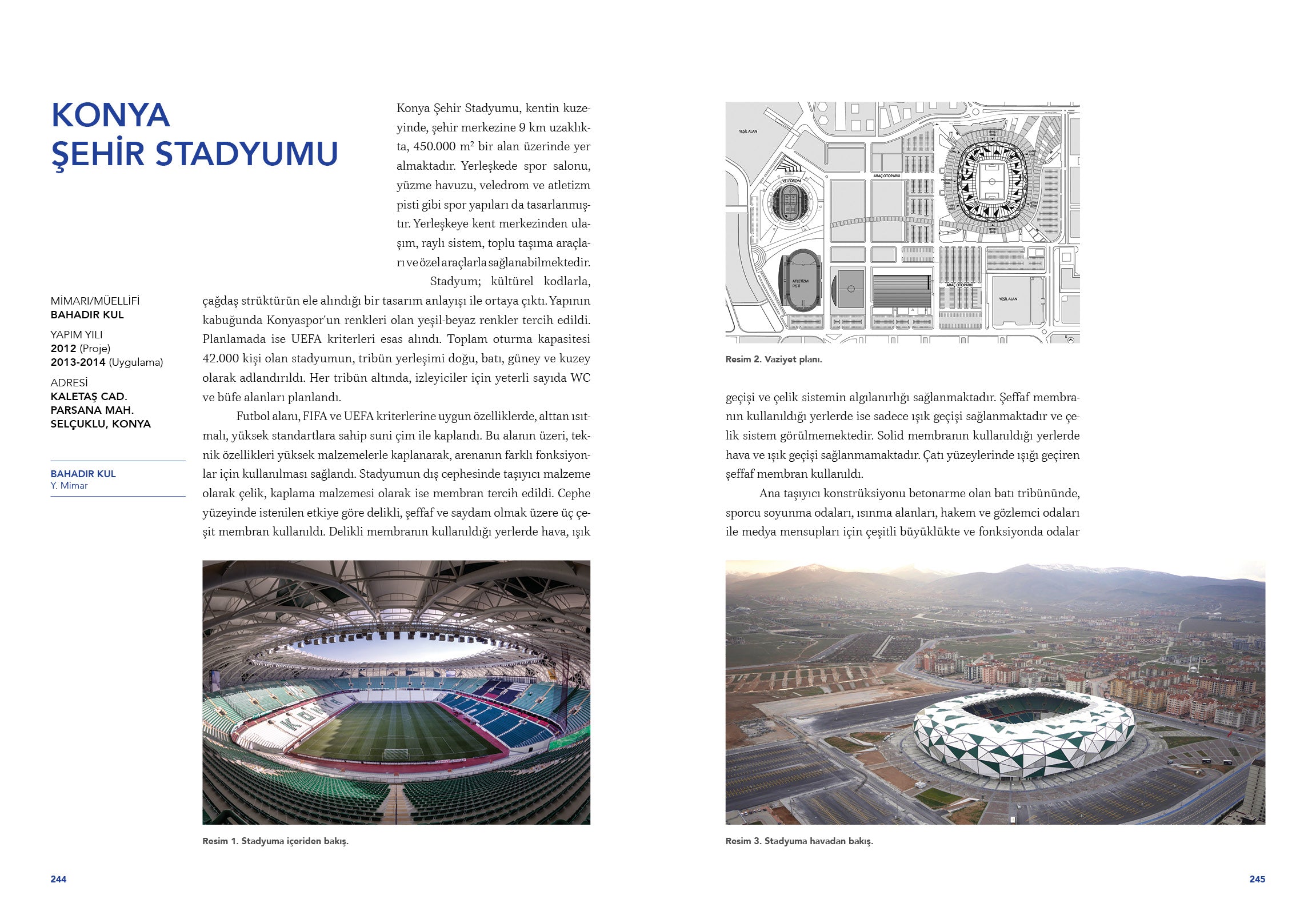
Edited by Armağan Güleç Korumaz and M. Feyza Yarar, the book presents a high-quality selection of modern architectural production in Konya between 1950 and 2018, a city identified with traditional architecture, especially Seljuk architecture, due to its ancient history and cultural richness.
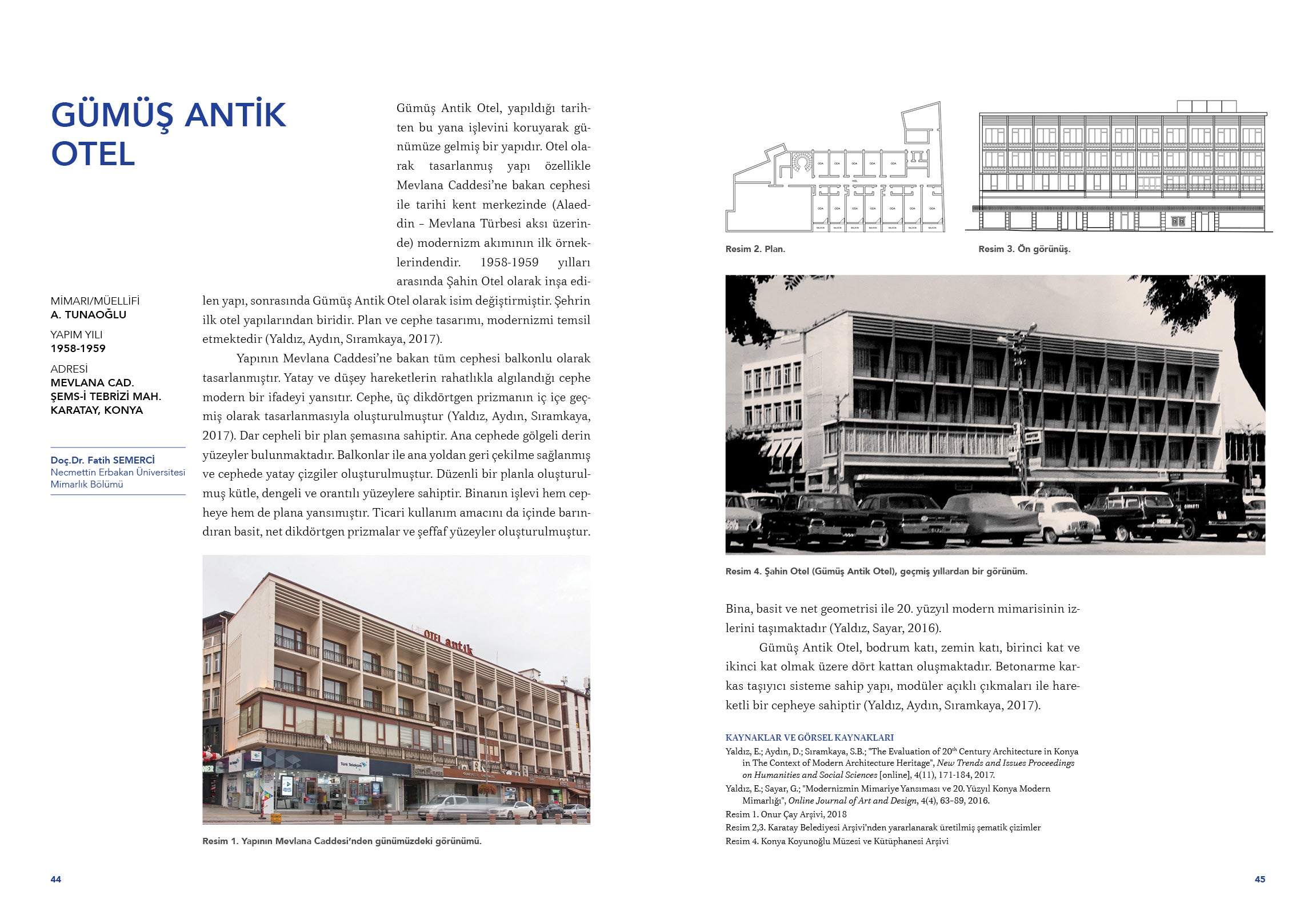
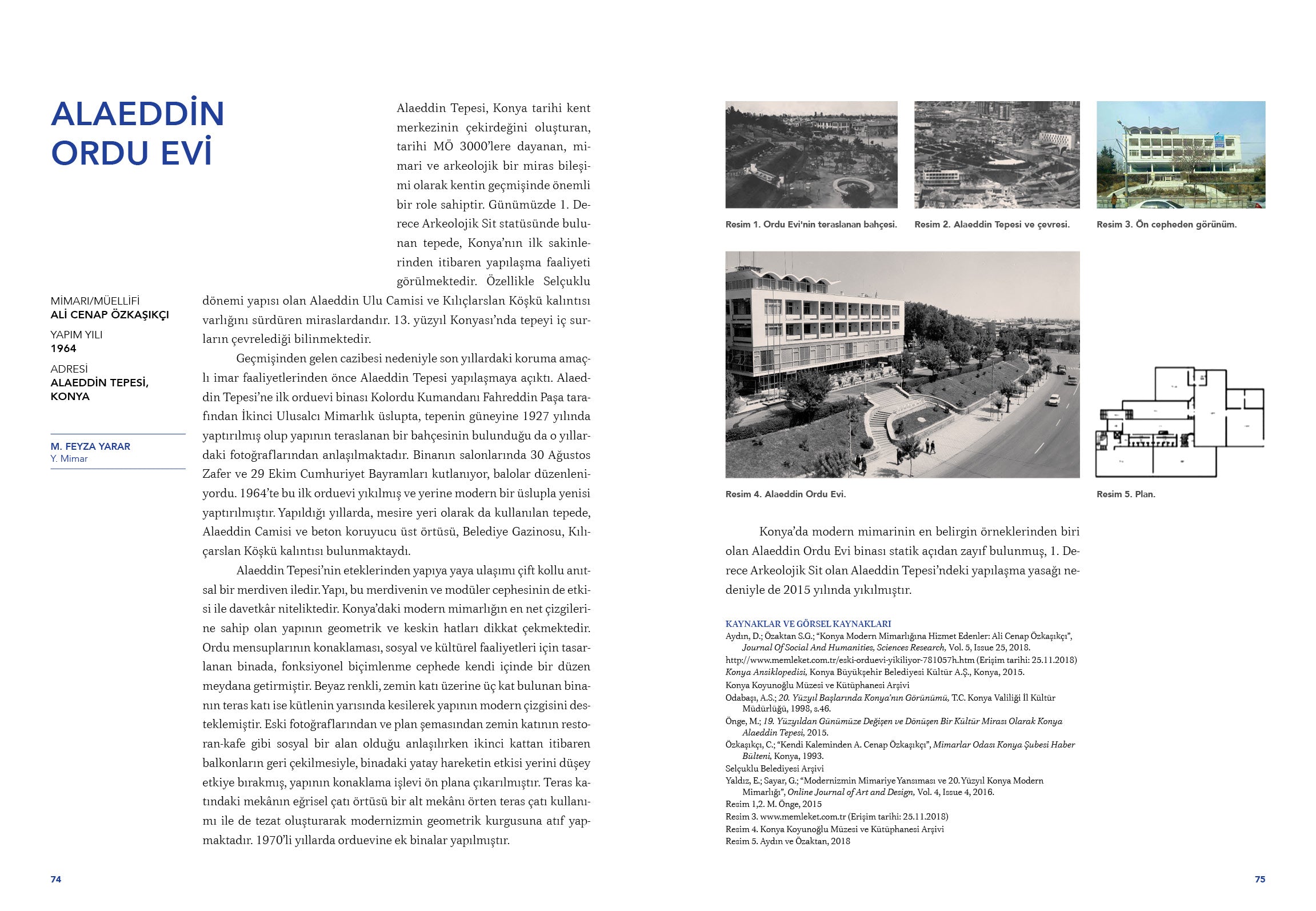
The book, prepared with the aim of taking stock of Konya after 1950, showcasing the city's contemporary architectural face, and making a note in Turkish architectural history, includes 100 buildings. The buildings, selected with the recommendations of the members of the Scientific Publication Committee and advisory board of the Konya Branch of the Chamber of Architects, are presented with texts written by academics and architects, detailing their design and construction processes and architectural features, accompanied by archive documents, drawings, and photographs.
Editor Armağan Güleç Korumaz, who led the preparation of the book in terms of ideas and coordination, shares her views on the project's rationale, its transformation into a publication, and the book itself:
"The book aims to present the aforementioned reflections in the field of architecture through an inventory study specific to Konya. At this point, the period in question and examined was 1950 and beyond.
The 1950s saw architects moving from Europe to the United States after World War II, intensifying their work in America, which came to be known as the 'International Style.' The aim was to repair or rebuild cities and homes damaged and destroyed after the war.
In Turkey, the 1950s were a period when industrialization, rapid urbanization, migration to cities, and consequently, housing problems began to increase. At the same time, these years also marked a period when Turkish architecture opened up to the outside, came under the influence of modern architecture along with the West, and architecture was produced in this direction. The International Style showed its effect in all cities of Turkey, and traces of the modernist movement began to appear in cities.
Within the scope of this study, we examined how architectural productions were shaped in Konya during the period of 1950 and beyond, the reflections of the International Style in Konya, and how migration to cities, industrialization, and housing problems were dealt with. We did this by compiling information and documents from archives we requested from institutions, and from the private archives and contributions of individuals who have served in the field of architecture in Konya for a long time. The compiled buildings were listed and detailed in chronological order.
It should be noted that the buildings included in the book are not all the exemplary buildings produced in Konya between 1950 and 2018, and there may be many other examples besides these buildings. The decision on the buildings in the selection was made through a collective consensus with the recommendations of the members of the Scientific Publication Committee and advisory board of the Konya Branch of the Chamber of Architects. At this point; priority was given to buildings that were more easily accessible, known and recognized by more people, of higher quality compared to similar ones, or had differences in design and composition, and these were included in the study. The buildings were mostly determined according to the period they reflected, and their architectural and design approaches. As the Konya Branch of the Chamber of Architects, I would like to share with you the happiness we experienced in preparing such a special selection and making a small contribution to Konya.
