
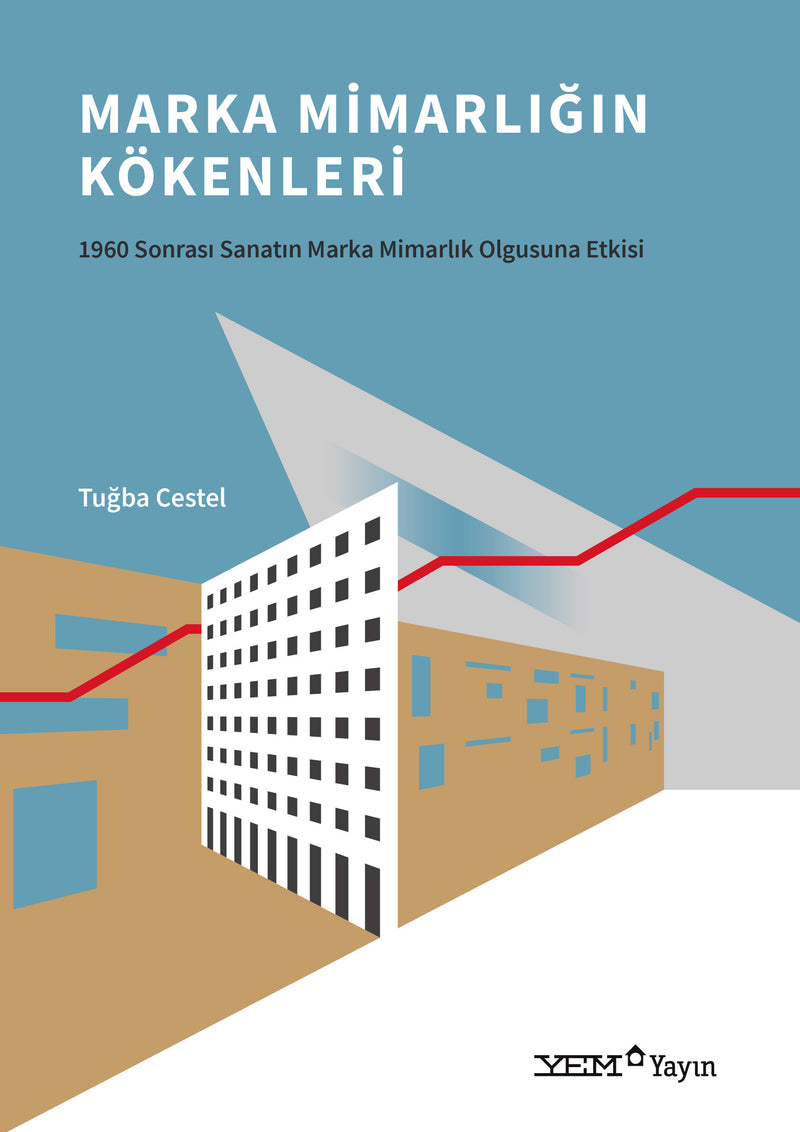
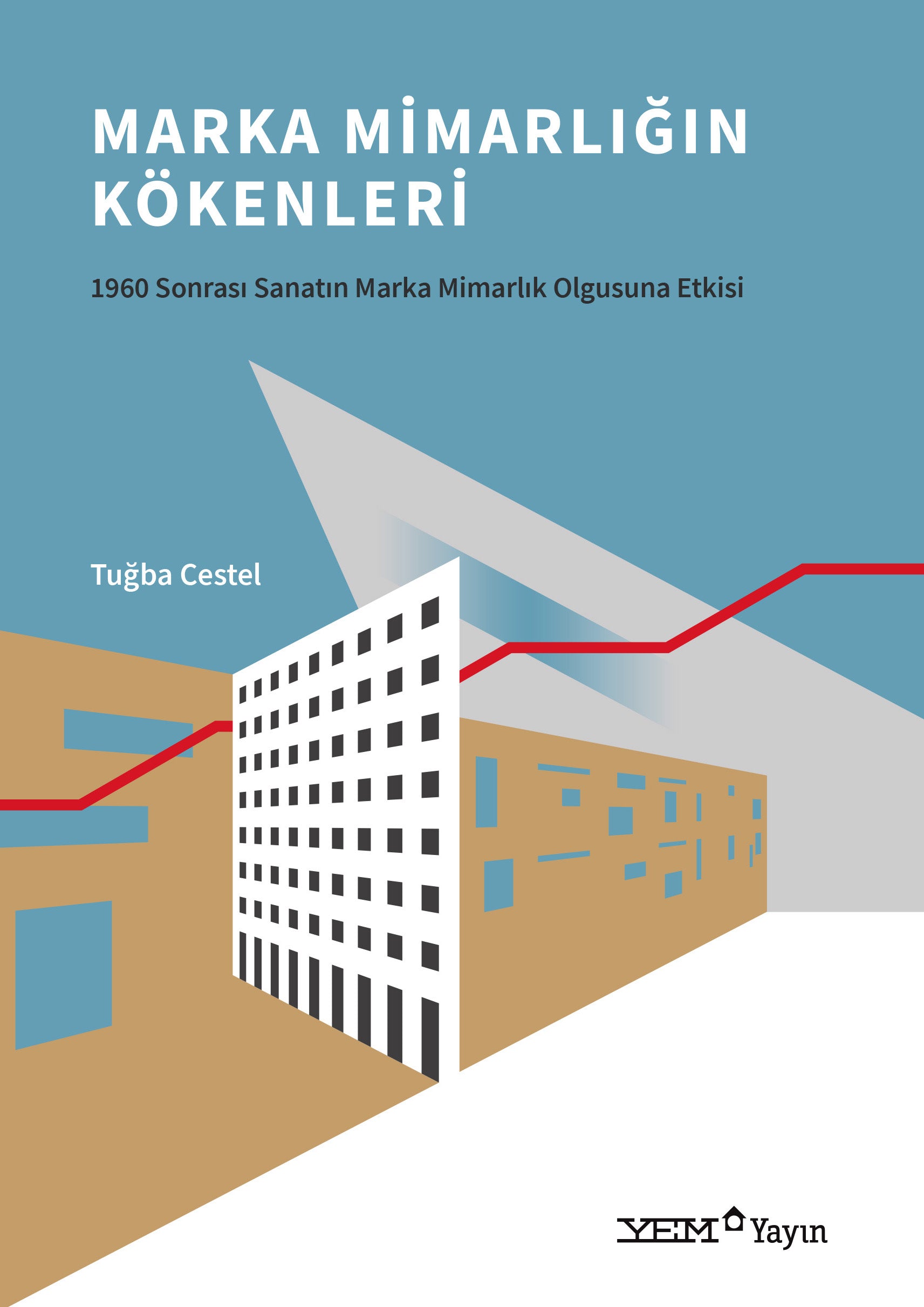
The Origins of Brand Architecture
Yazar: Tuğba Cestel
Brand: YEM Yayın
Basım Tarihi: Haziran 2022
Basım Dili:
Sayfa Sayısı: 176Boyut: 14.5 x 20.5 cm
Out Of Stock
9786257008334
Product Description
Tuğba Cestel's book Origins of Brand Architecture, which examines the impact of post-1960s art on the emergence of phenomena such as "brand architecture" and "star architects," has been published by YEM Yayın.
Tuğba Cestel is an architect who has questioned architectural practice based on her belief that architectural project production, in which she has been involved for many years, is shaped by the free market environment rather than being a field of intellectual activity, and that structures are designed as isolated objects, detached from their surroundings, due to expectations of rapid processes. Cestel, who began her research with the aim of examining the origins of 20th-century architecture and observing its changes, presents the relationship between post-1960s architecture and conceptual art, and its shifts in cultural positioning, in Origins of Brand Architecture.
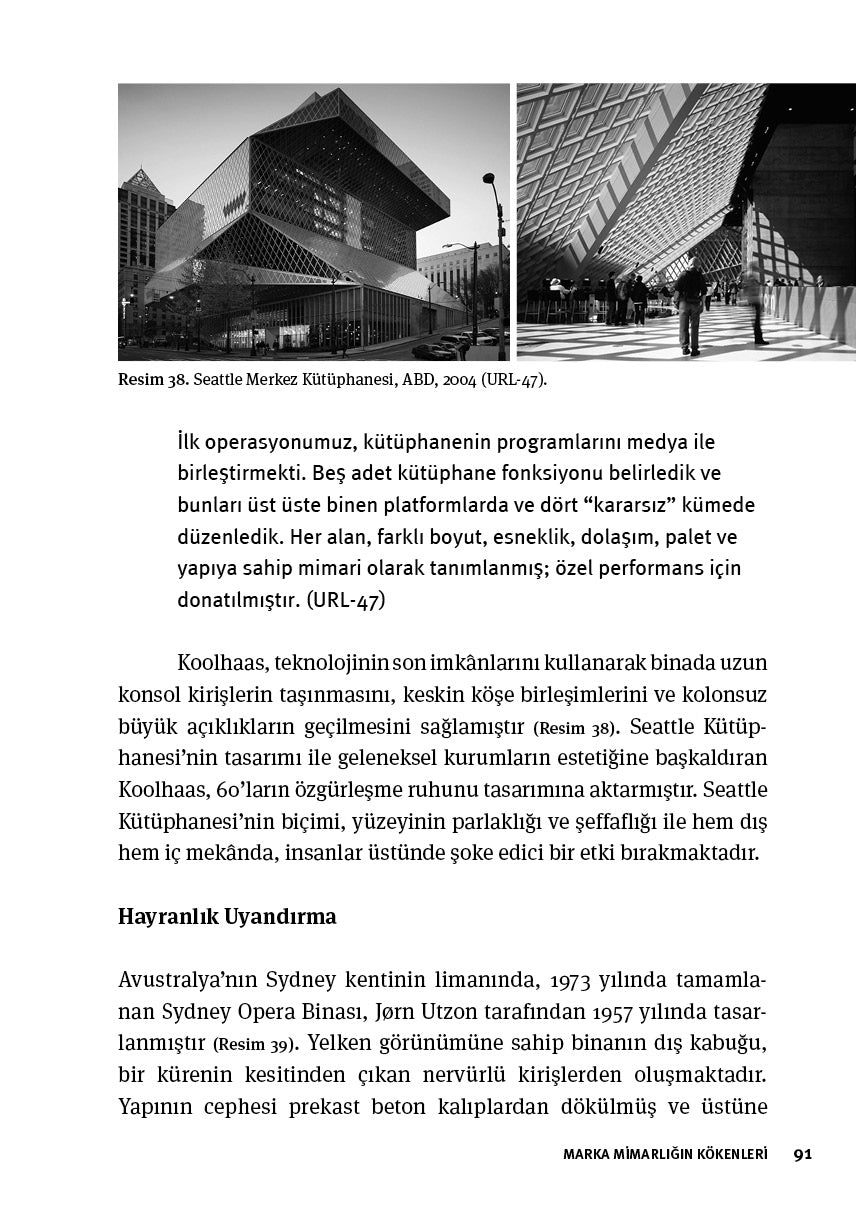
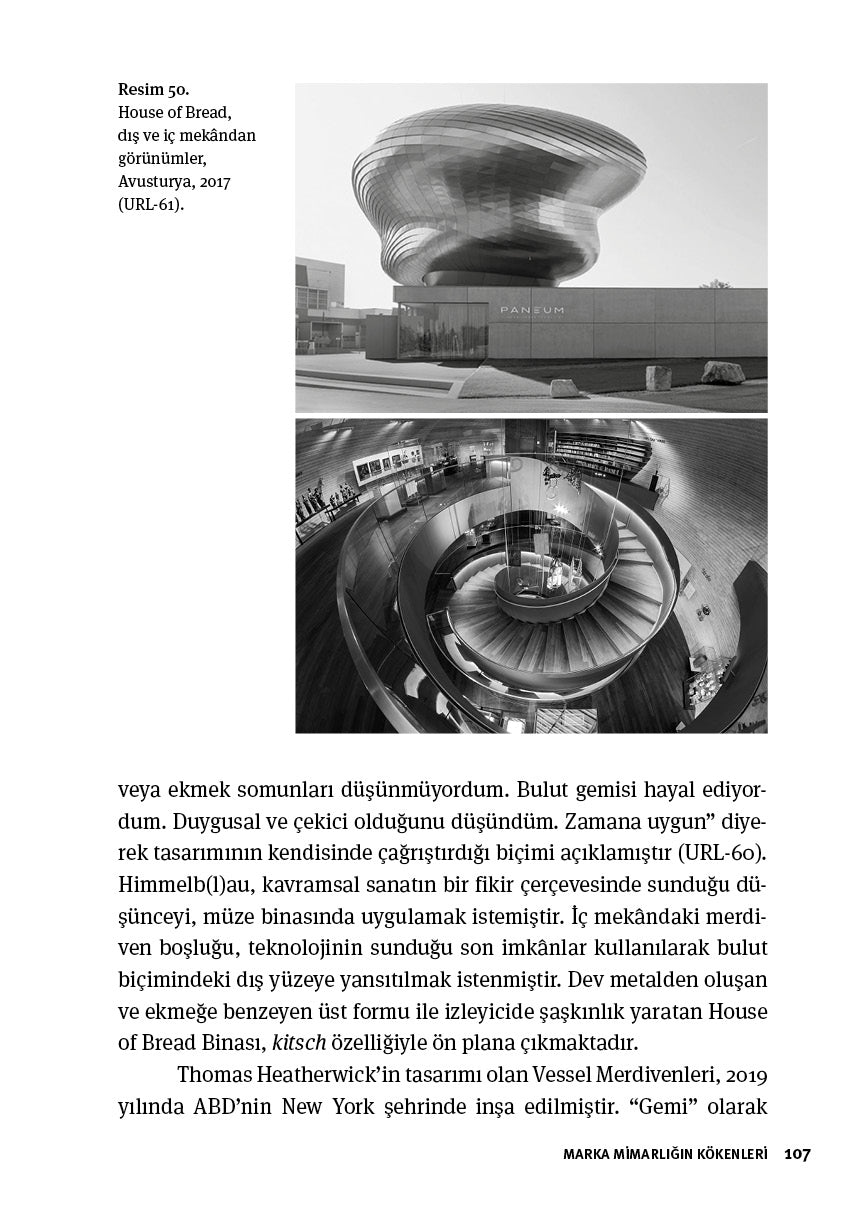
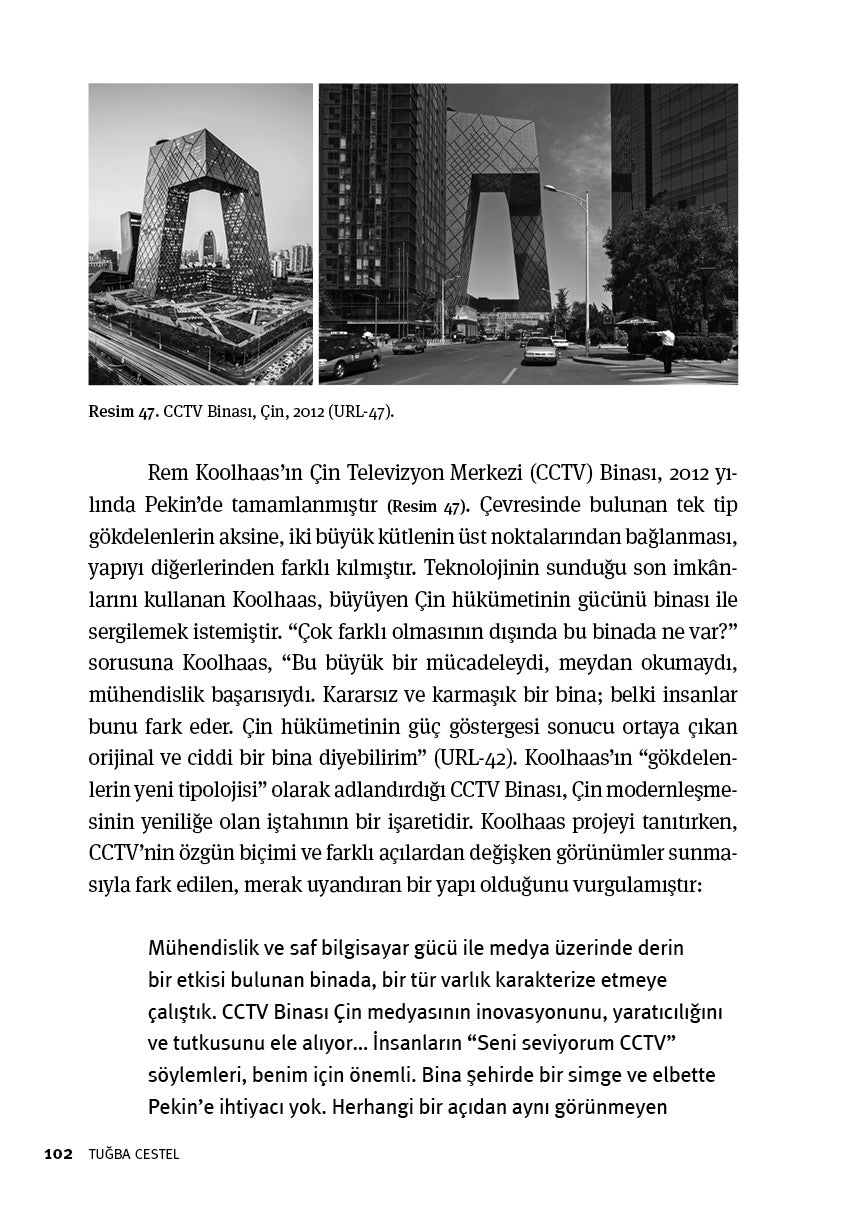
Tuğba Cestel's views on this period, examined through the works, interpretations, and structures of artists such as Beuys and Warhol; theorists such as Deleuze, Foucault, and Baudrillard; and architects such as Gehry, Koolhaas, Herzog & de Meuron, Zumthor, Rossi, Bofill, and Libeskind, are summarized as follows:
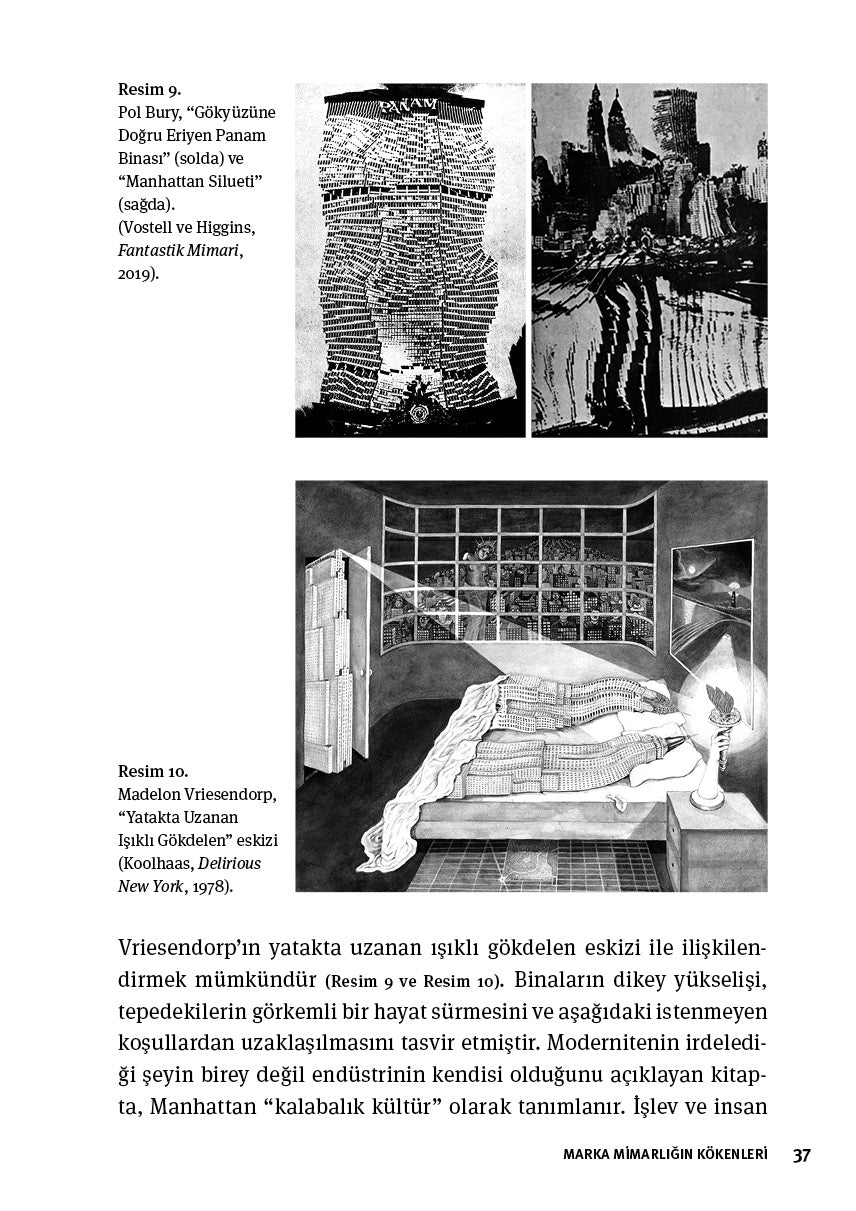
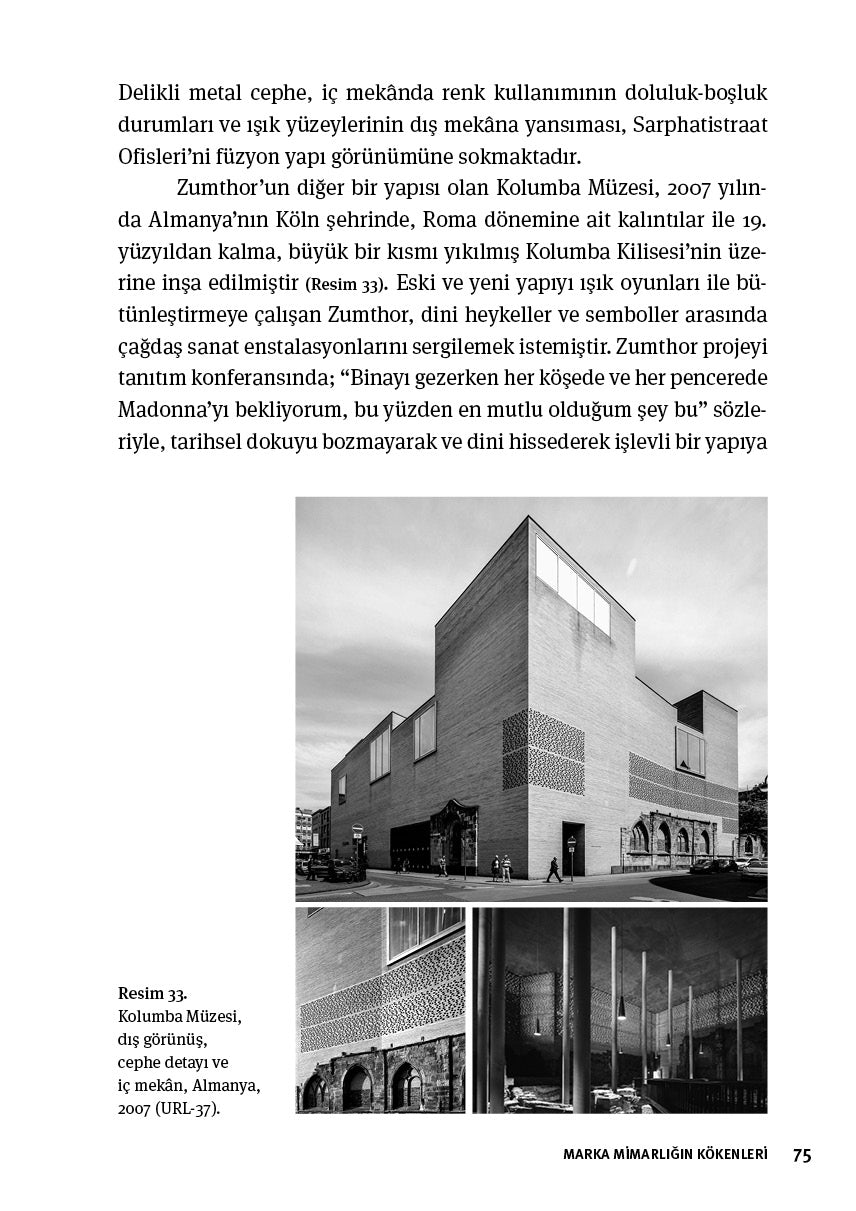
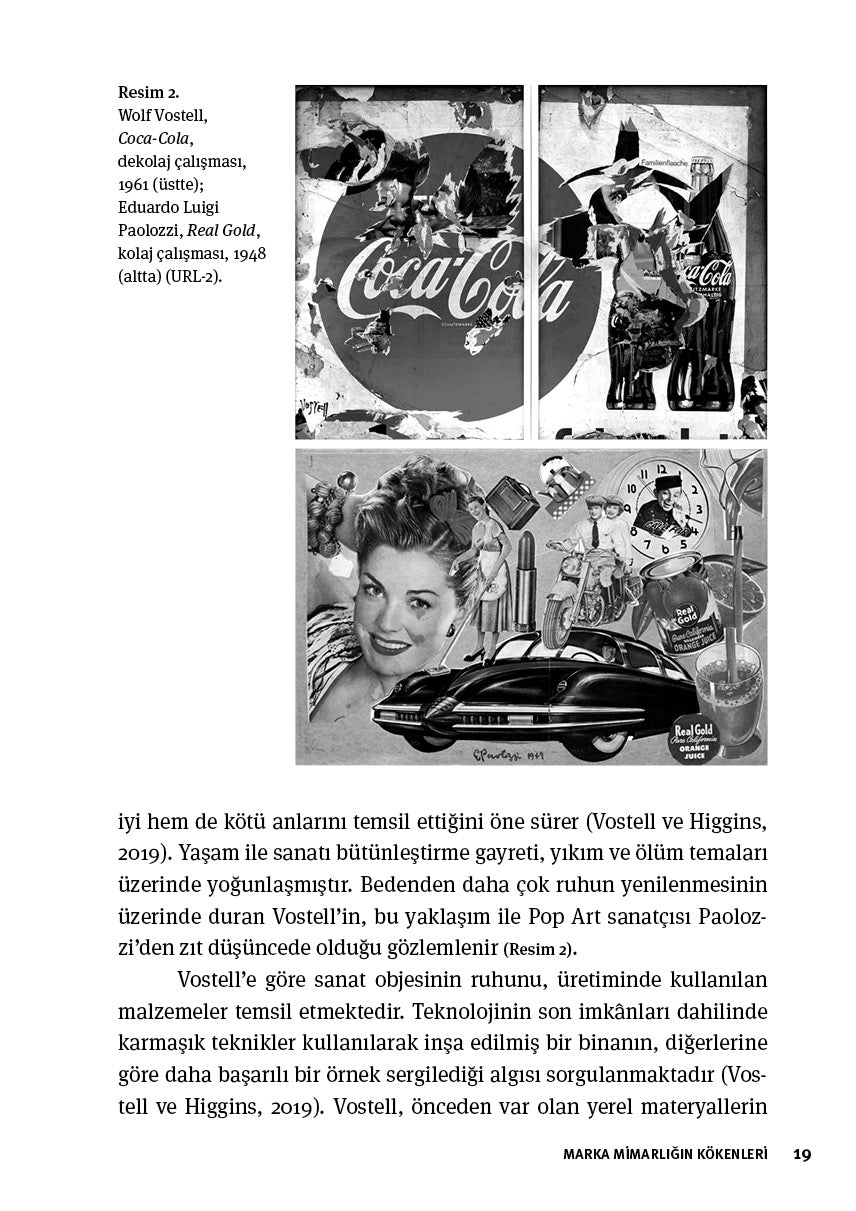
"…As Foster states, it can be argued that 'conceptual architecture,' which is a 'new Art Nouveau,' exploited conceptual art, born as a reaction, to create a new myth of architecture. In conceptual architecture, dominated by visual culture, the image begins to be conveyed to the viewer through text. For example, Zumthor reflects Beuys's spiritual form in his buildings, while Herzog & de Meuron reach the representation of Warhol, the pioneer of Pop Art. At first glance, the art of Warhol and Beuys seems to be contradictory. This is because Warhol seeks the foundation of beauty in the free market, reaching its worldly and material position. Beuys, on the other hand, sees the source of beauty as divine, valuing spiritual and immaterial states. The commonality in Beuys's and Warhol's art is their prioritization of the impression on the audience. Both become visible by capturing the emotions of as many people as possible. This characteristic, which creates popularity, is also the key to the branding process in architecture. In short, Warhol and Beuys, Zumthor and Herzog & de Meuron, one representing the market, the other spirituality; by appealing to the desires, weaknesses, and beliefs of their audiences, they establish a symbolic hegemony around themselves…
Architecture, which instrumentalizes the idea of freedom in conceptual art after 1960 due to the influence of the economic system, produces iconic structures for consumer society. While the word 'poverty' emphasized by the Arte Povera movement creates an irony when associated with structures produced at high cost, the presentation of textuality used in conceptual art through architectural products is seen as a forced attitude. Architectural theoretical expressions are reduced to syntax, making the structure they try to give meaning acceptable in its environment. Even the concept of ecology, proposed by Friedensreich Hundertwasser in the 70s by combining the freedom of art with architecture, has transformed into a decorative element in iconic buildings and could not escape being a commodity of the free market system. According to Hundertwasser's definition, architecture is the ability to create spatial arrangements that emotionally support various activities of a society, within the framework of that society's unique needs and possibilities. The differentiation of society's unique needs and possibilities over centuries constantly changes architecture. Moving away from object production, seen as an investment tool and designed for consumer society at the end of the 20th century, is only possible by listening to practices that question architecture. Architecture, rather than offering something different within a culture of taste, should draw a more comprehensive path within an order that is needed and facilitates life. In this context, architecture should both respond to its environment and aim to include users in design processes by considering their needs.
WHO IS TUĞBA CESTEL?
Architect Tuğba Cestel was born in Germany in 1981. She completed her primary and secondary education in Ankara, her undergraduate studies at Mimar Sinan Fine Arts University, Department of Architecture, and her master's degree at Fatih Sultan Mehmet Vakıf University, Department of Architecture. Between 2005 and 2015, she worked as a freelance architect in Istanbul-based architectural offices. During this period, she participated in the design, implementation, and detailing phases of architectural projects of various scales as an architect and site coordinator. Since 2017, Tuğba Cestel has been involved in academic life as a part-time lecturer in architecture and design departments at universities and is currently continuing her doctoral studies in the Building Research and Planning Department of Yıldız Technical University's Department of Architecture. She continues to share her work, focused on combining real sector experience in architecture with the academic world, with the public through publications in various journals and media.
