
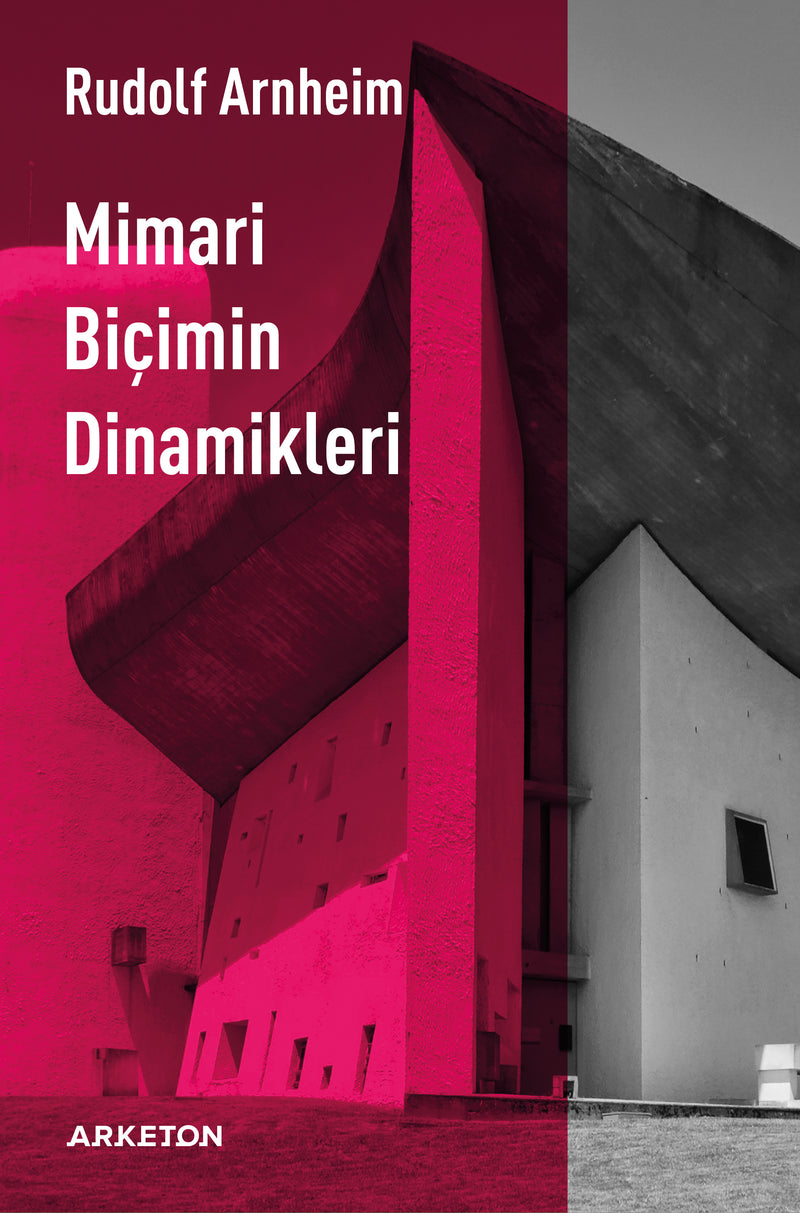
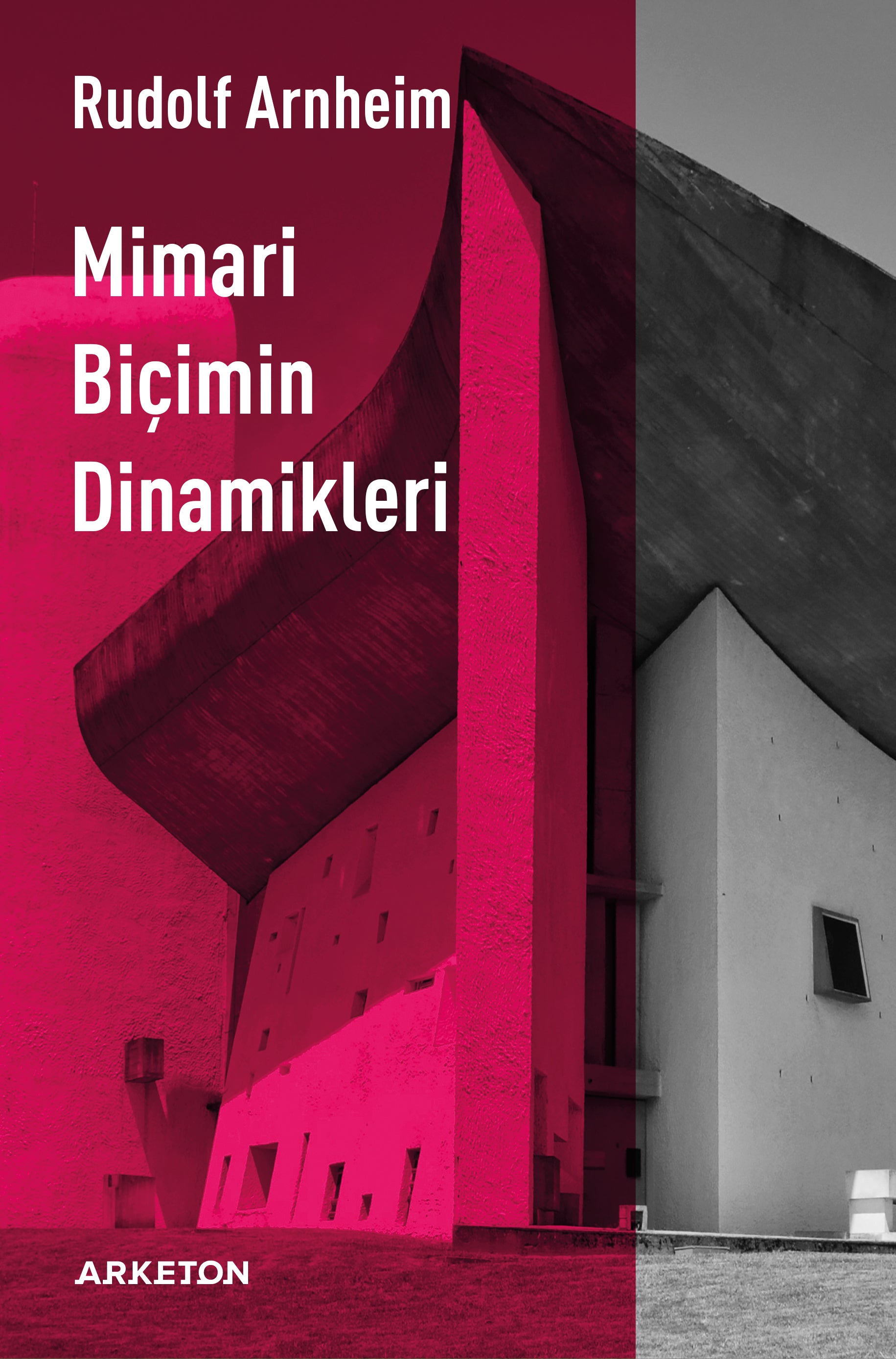
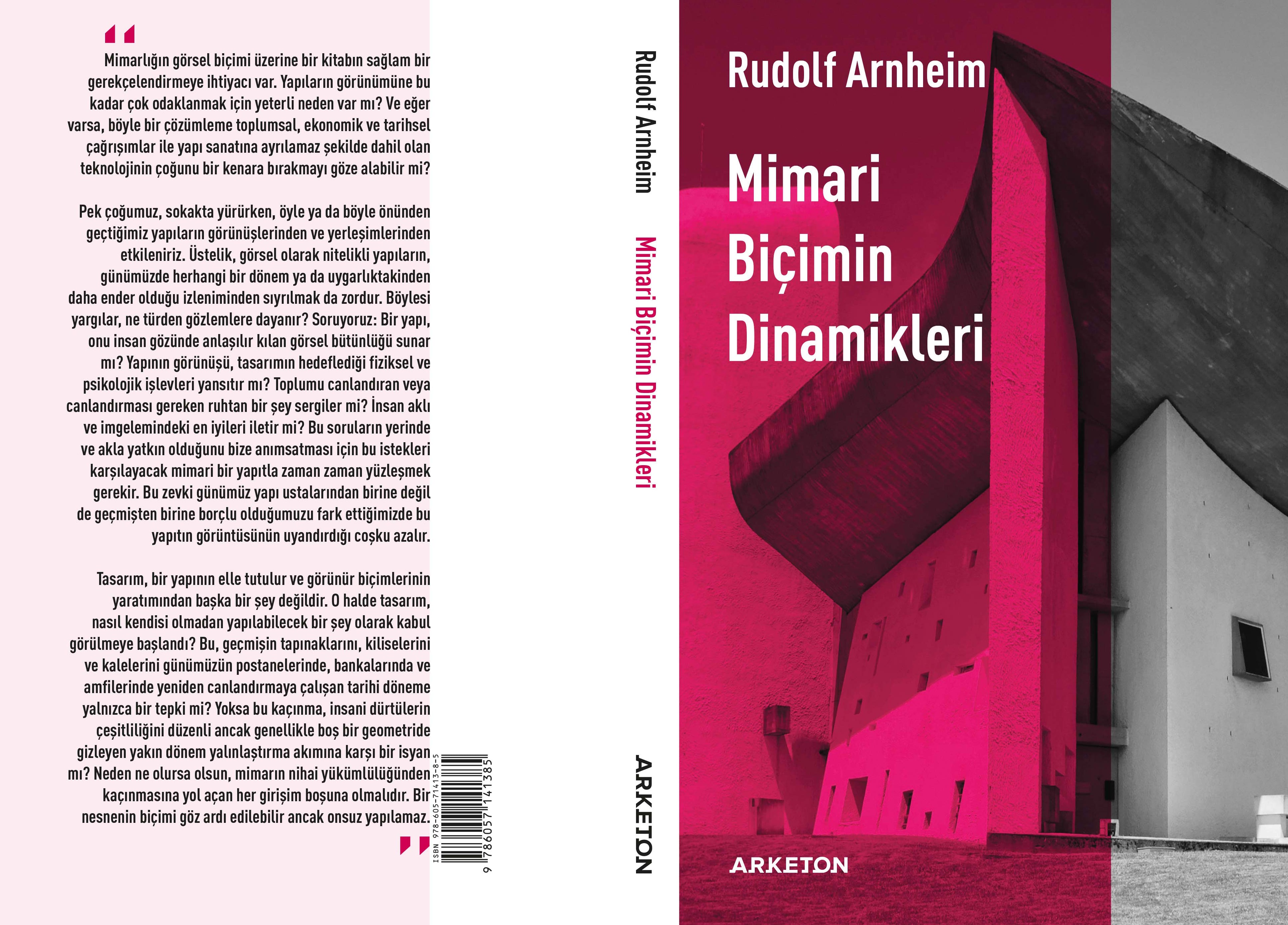
Dynamics of Architectural Form
Yazar: Rudolf Arnheim
Brand: Arketon Yayınları
Basım Tarihi: Ocak 2023
Basım Dili: ["Turkish"]
Sayfa Sayısı: 284Boyut: 15.5 x 23.5 cm
In stock
9786057141385
Product Description
Rudolf Arnheim's seminal book on the principles of architectural formation:
The Dynamics of Architectural Form
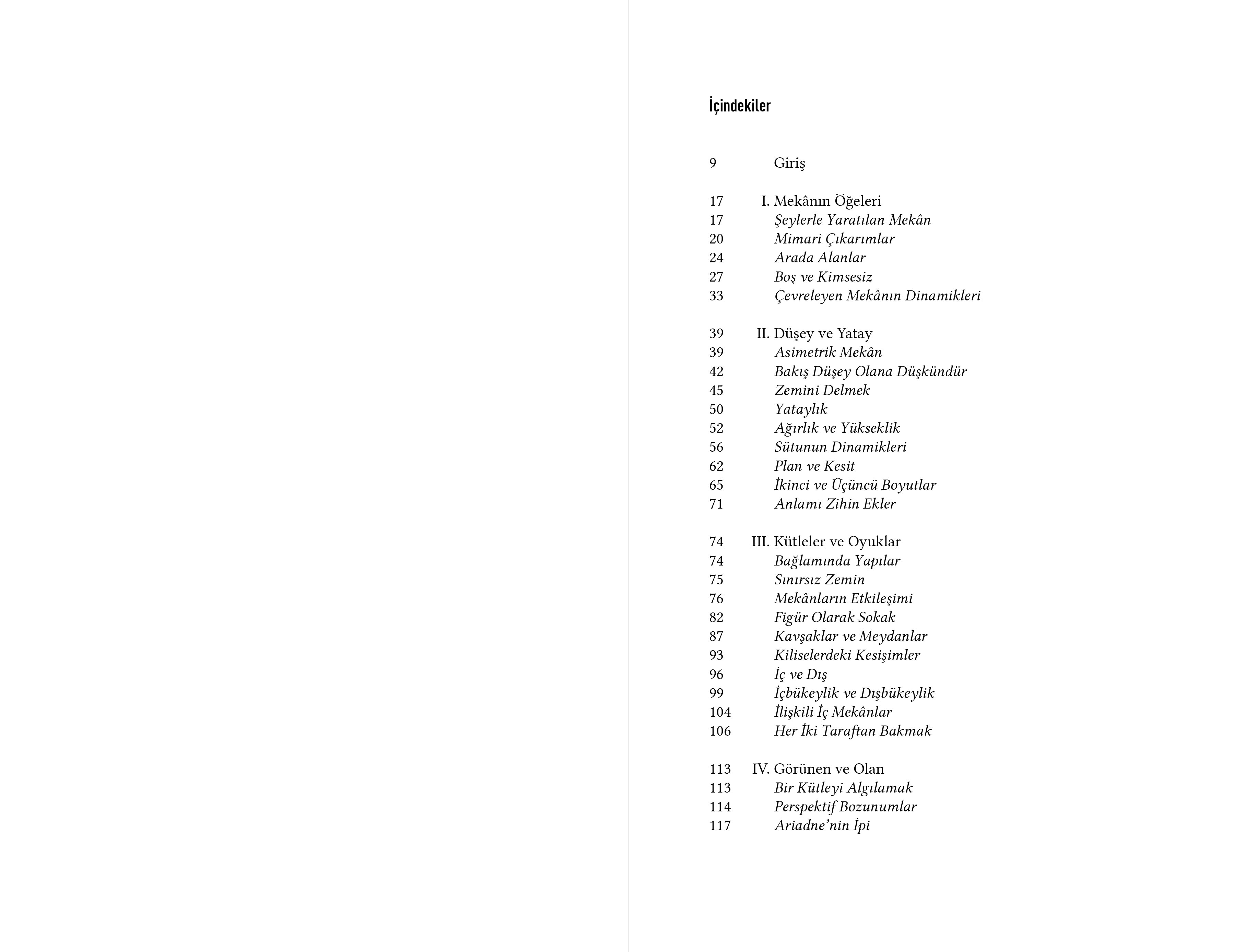
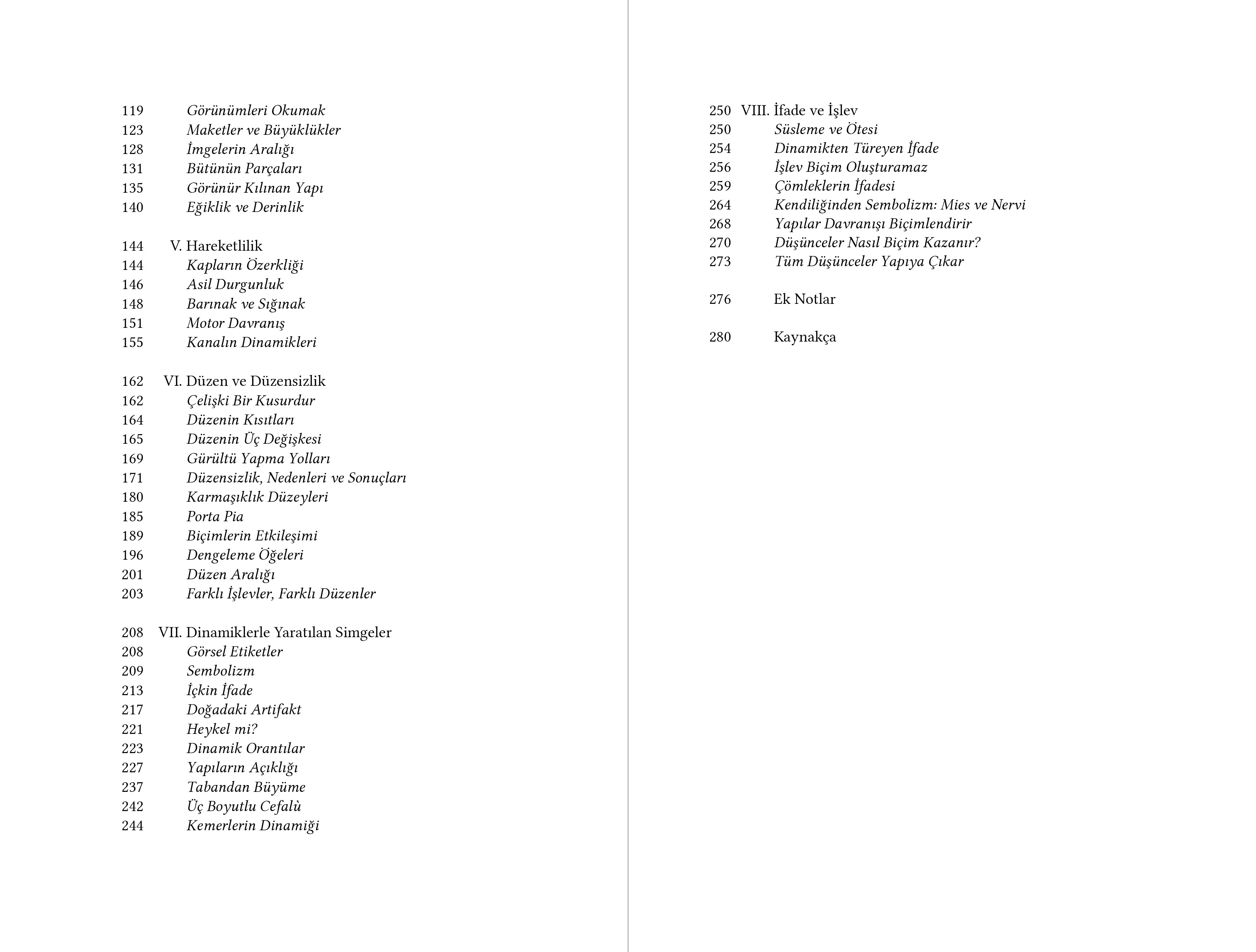
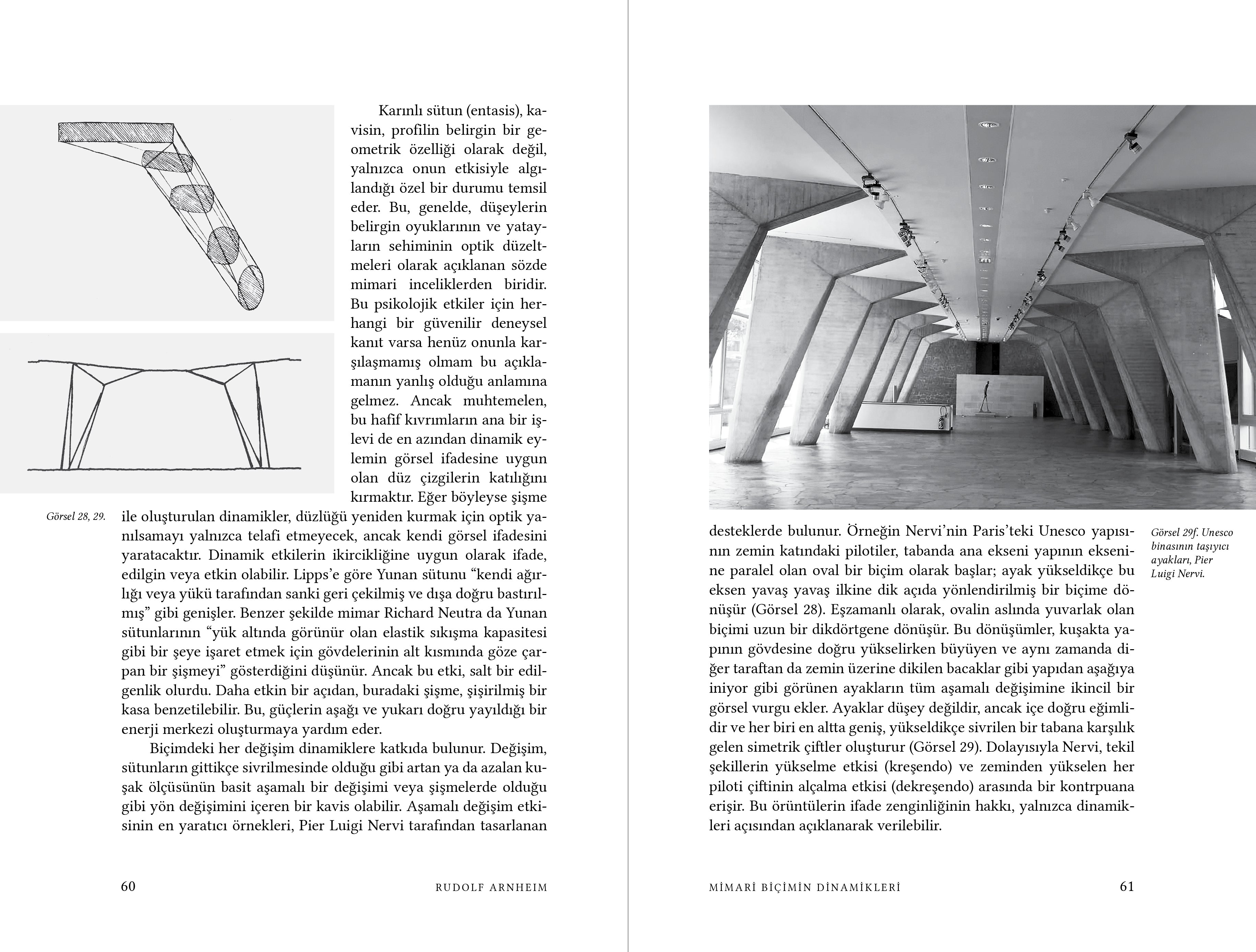
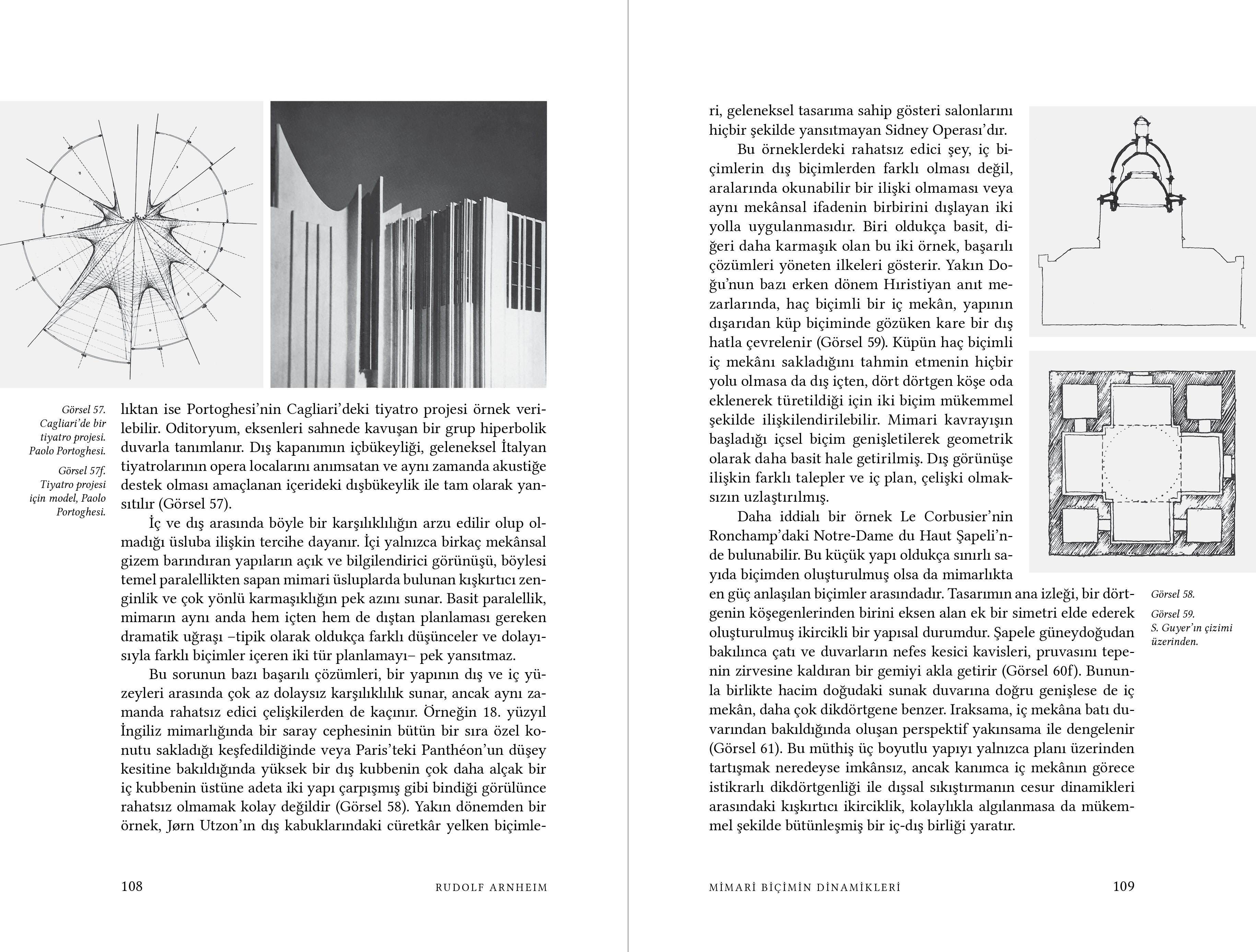
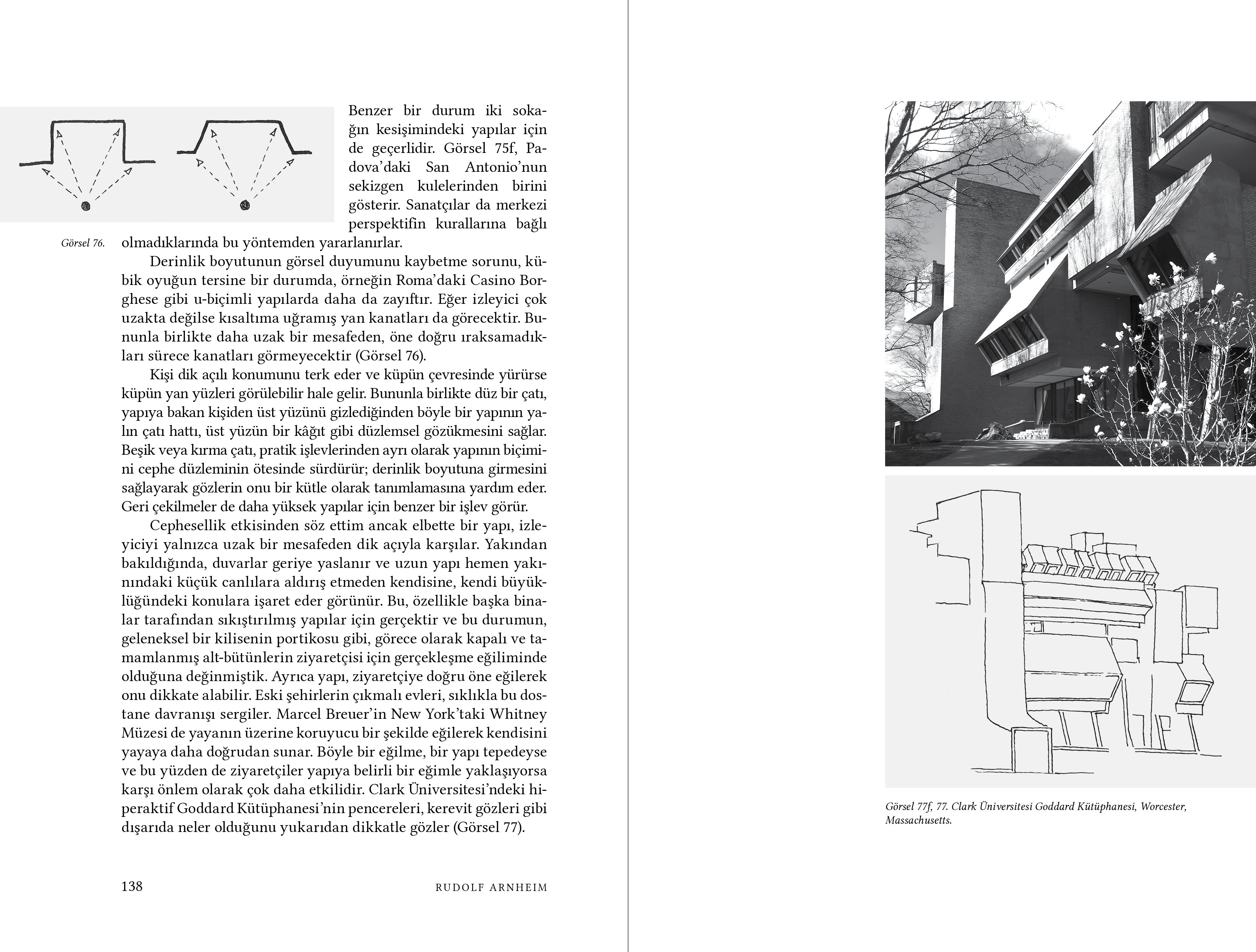
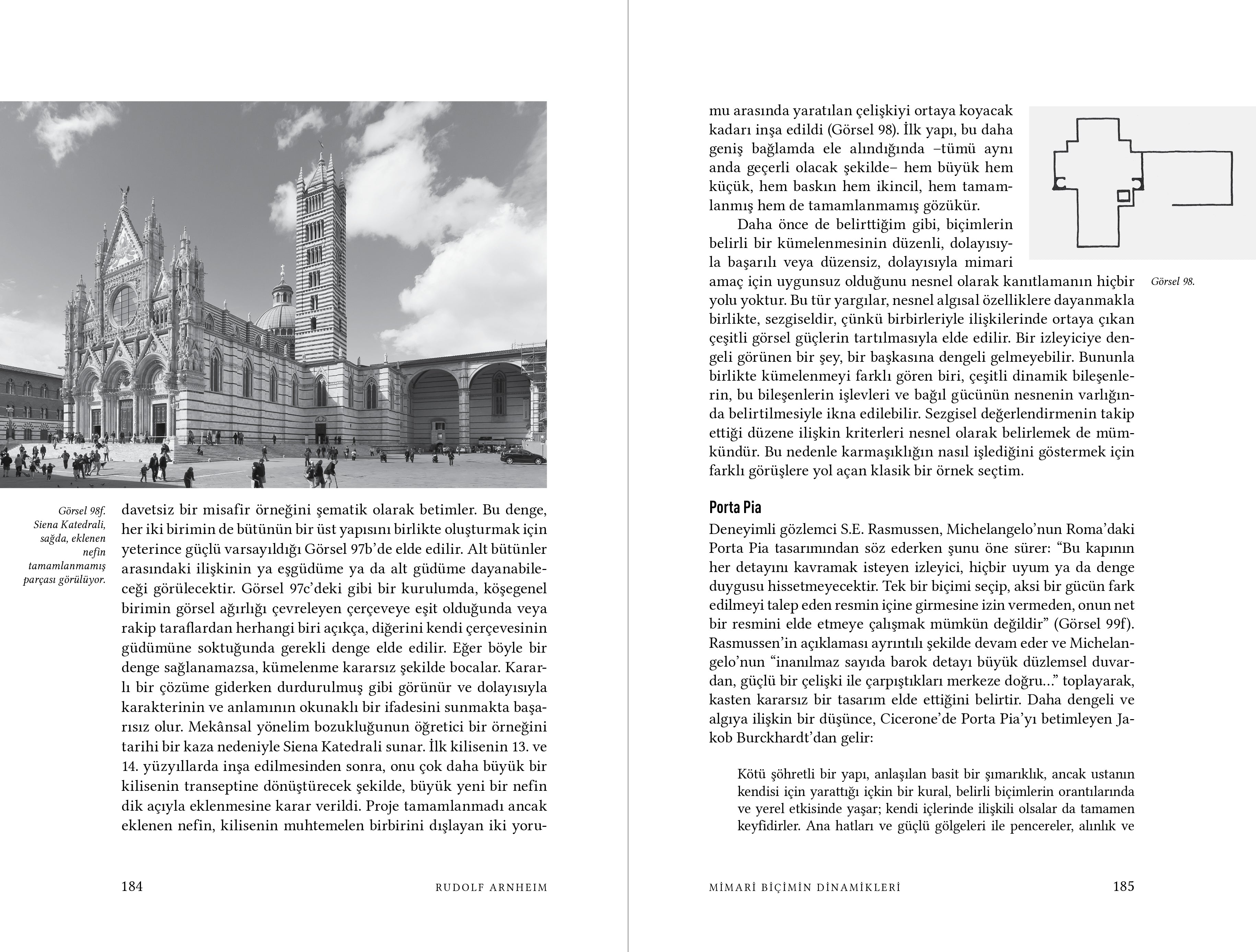
Rudolf Arnheim's book The Dynamics of Architectural Form, which deals with the principles of architectural formation, has been published with the editorship of Aykut Köksal and translation of Deniz Özden. Arnheim is known in Turkey for his original theoretical works. The book covers a wide range of topics, from the elements of space to its analysis in vertical and horizontal dimensions, examining spatial interaction and perception, and addressing features such as mobility, order, disorder, expression, and function.
Arnheim states the following in the introduction to the book:
“Is there sufficient reason to focus so much on the appearance of structures? And if there is, can such an analysis afford to leave aside most of the social, economic, and historical connotations and the technology that is inextricably embedded in the art of building?
Many of us, walking down the street, are affected in one way or another by the appearance and arrangement of the buildings we pass. Moreover, it is difficult to escape the impression that visually striking buildings are rarer today than in any other period or civilization. What kind of observations do such judgments rest on? We ask: Does a building offer the visual integrity that makes it comprehensible to the human eye? Does the appearance of the building reflect the physical and psychological functions aimed at by the design? Does it display something of the spirit that animates or should animate society? Does it convey the best in human intellect and imagination? To remind us that these questions are pertinent and plausible, we must occasionally confront an architectural work that meets these demands. The enthusiasm evoked by the image of such a work diminishes when we realize that we owe this pleasure not to one of today's master builders but to one from the past.
Design is nothing but the creation of the tangible and visible forms of a structure. How then did design come to be considered something that could be done without it? Is this merely a reaction to the historical period that tried to revive the temples, churches, and castles of the past in today's post offices, banks, and auditoriums? Or is this avoidance a rebellion against the recent trend of simplification, which concealed the diversity of human impulses in a regular yet often empty geometry? Whatever the reason, any attempt that leads the architect to shirk their ultimate responsibility must be in vain. The form of an object can be ignored, but it cannot be done without.”
