
The Modern Language of Architecture
Yazar: Bruno Zevi
Brand: Arketon Yayınları
Basım Tarihi: Ağustos 2022
Basım Dili: ["Turkish"]
Sayfa Sayısı: 124Boyut: 15.5 x 23.5 cm
In stock
9786057141361
Product Description
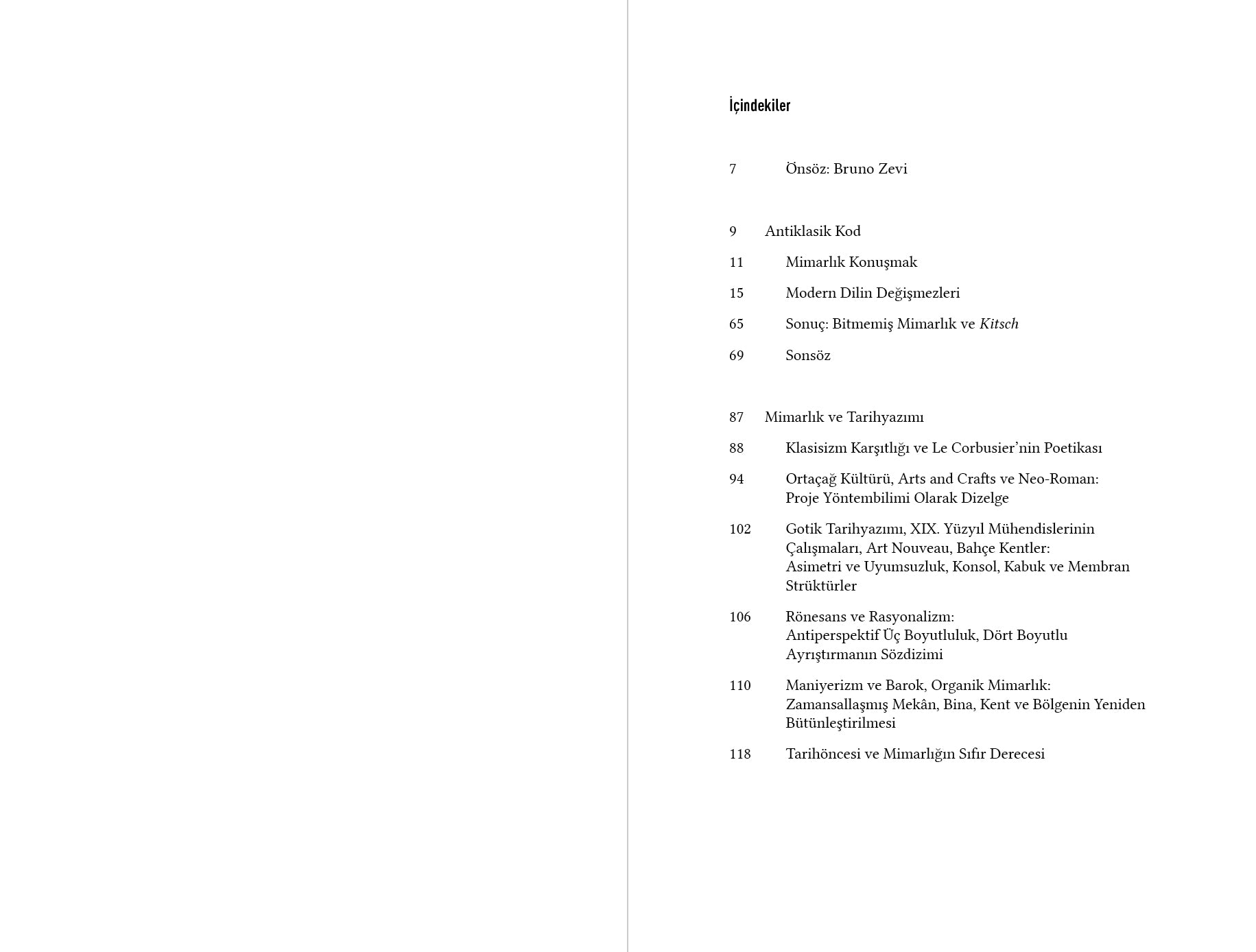
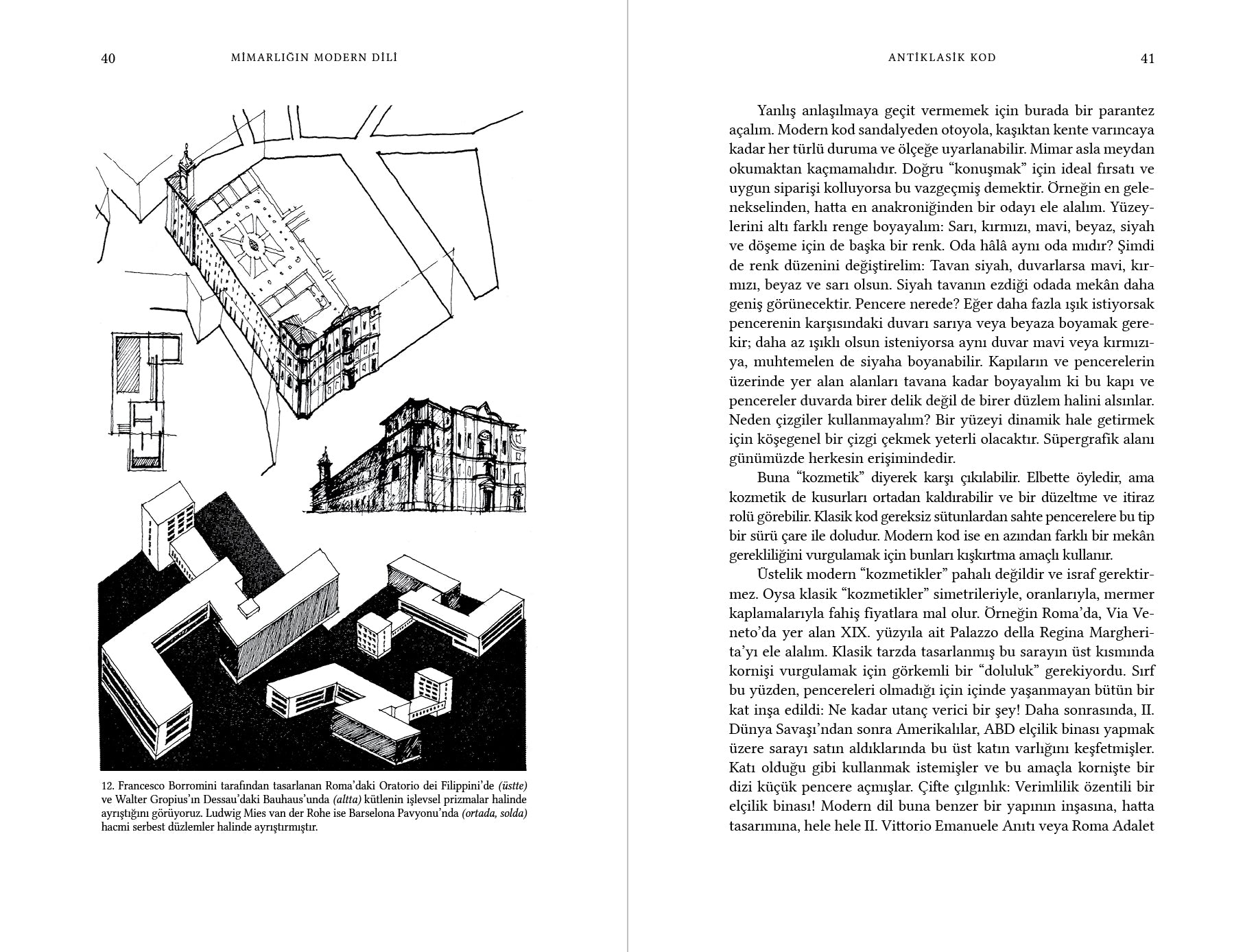
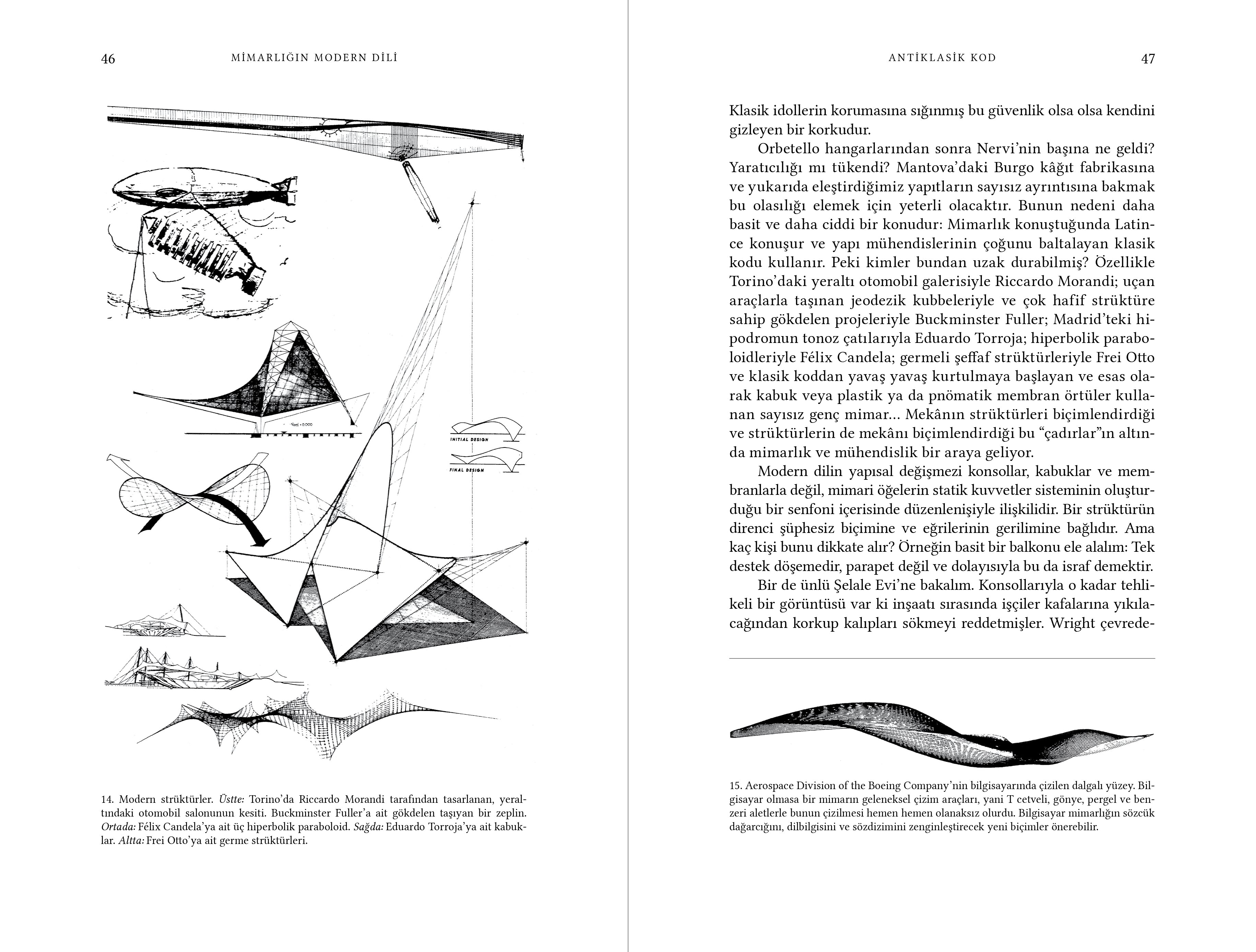
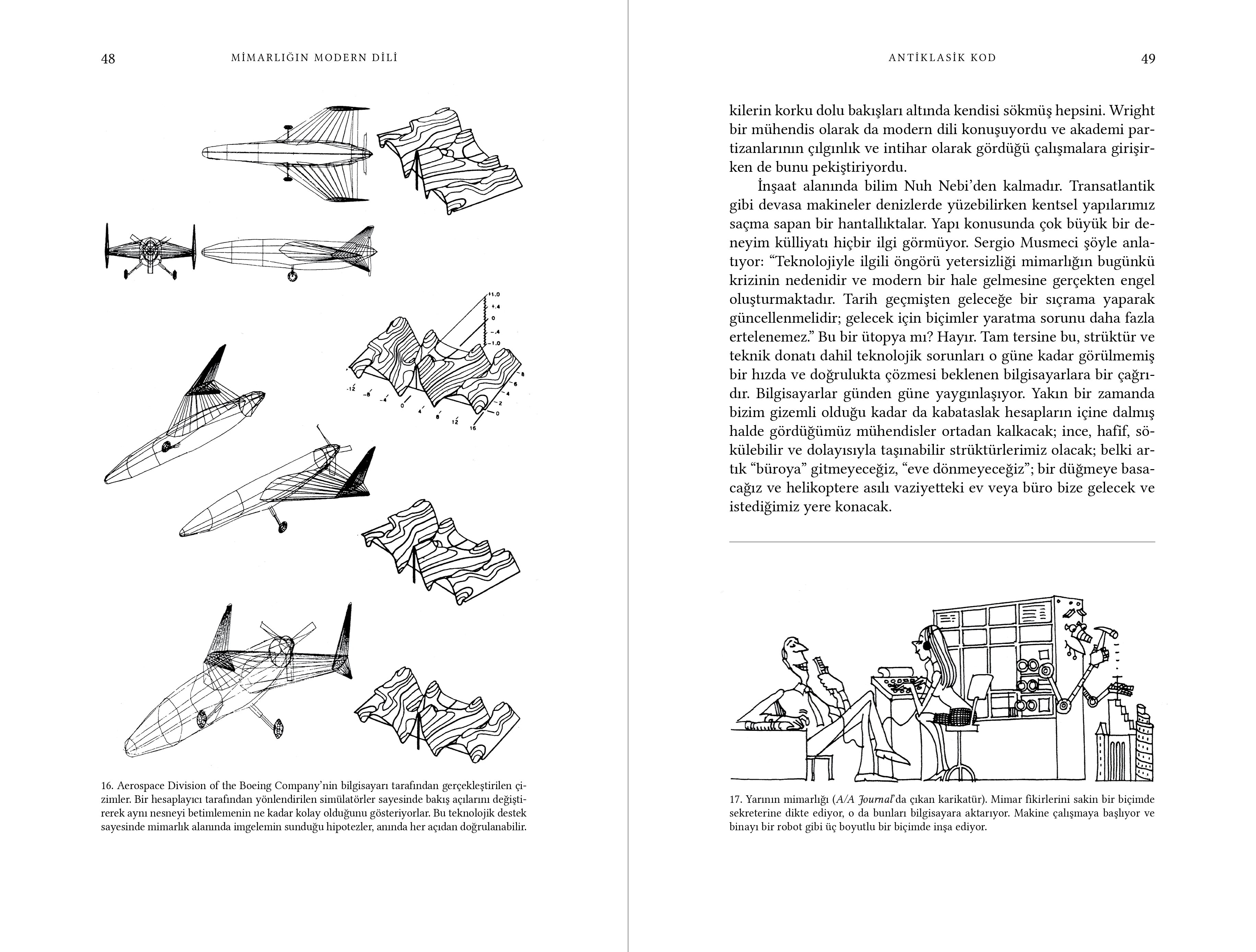
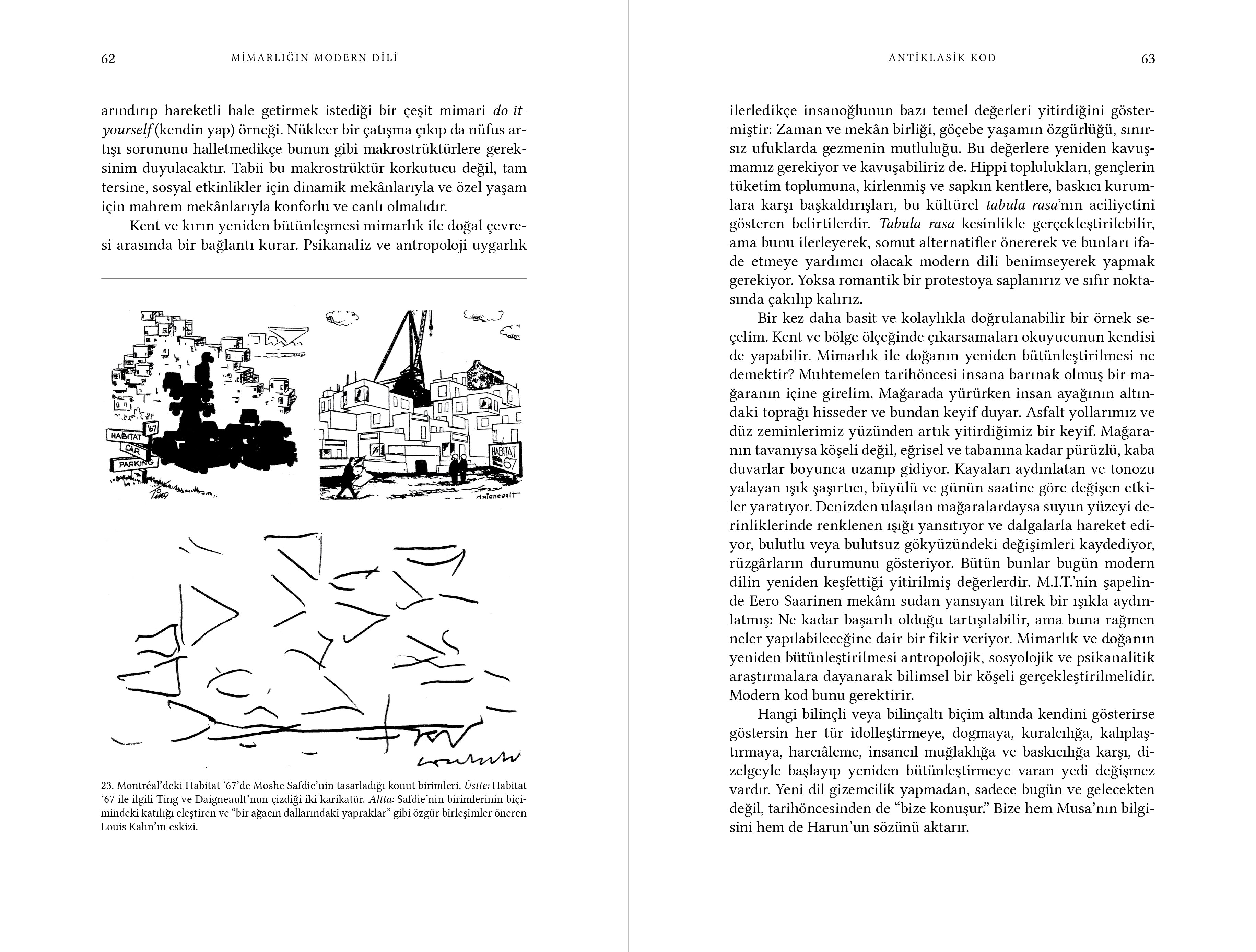
Bruno Zevi's The Modern Language of Architecture, the second book by one of modernism's most brilliant architectural theorists, has been published by Arketon Yayınları with a translation by Orhun Alkan. Zevi, who previously met readers with his work How to Understand Architecture, analyzes the codes of modern architecture in the first part of this book and presents the fundamental invariants for understanding 20th-century architecture. In the second part, he addresses the historiography of architecture, drawing a broad panorama from prehistory to Le Corbusier's poetics.
In his essay "Speaking Architecture," located in the first part of the book, Bruno Zevi states:
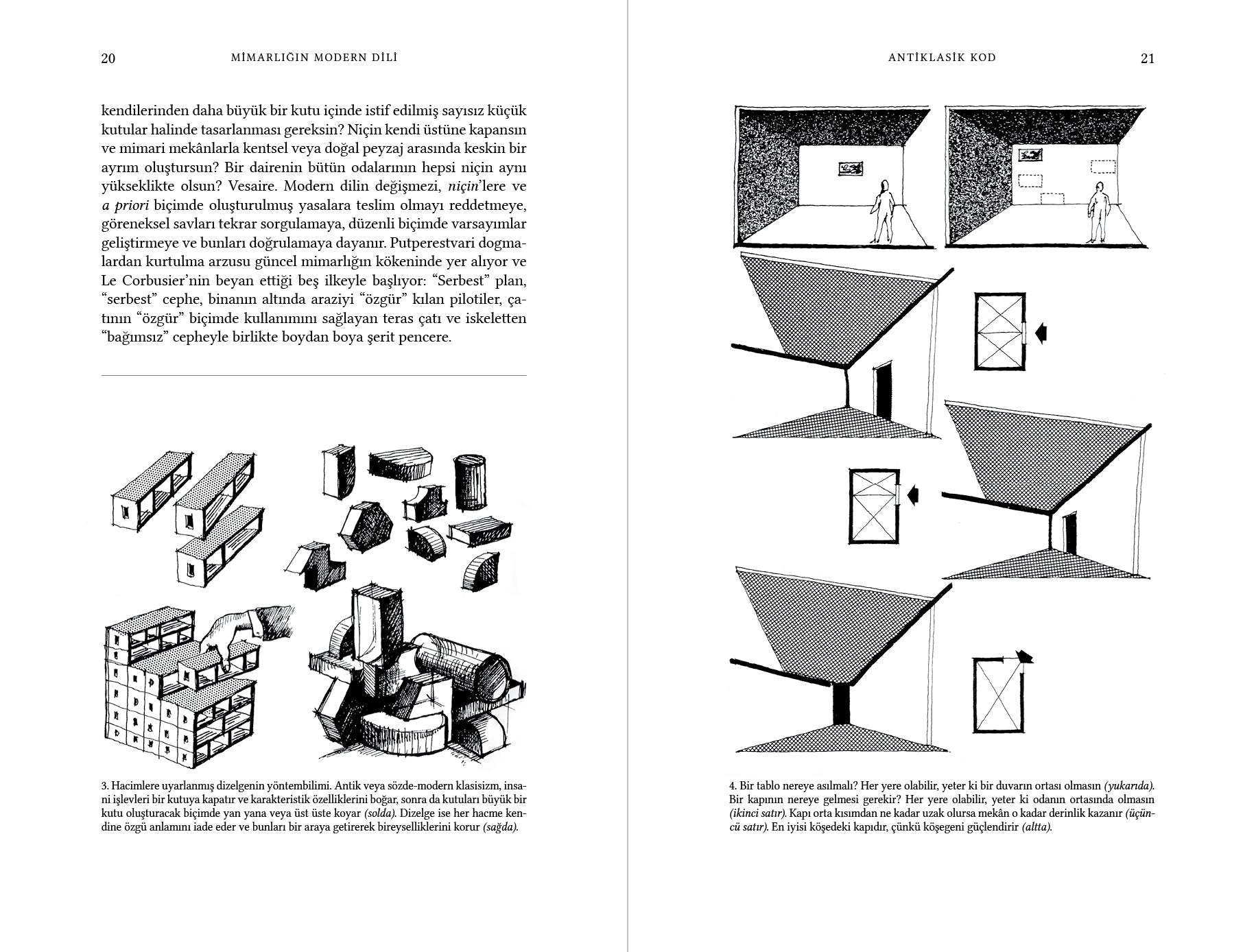
"Thousands of architects and architecture students are designing projects without knowing the vocabulary, grammar, and syntax of the modern language. In fact, these are counter-vocabulary, counter-grammar, and counter-syntax compared to classicism. Critics are offering opinions from both a professional and an educational perspective. But by what criteria are they doing so? This is the real challenge that we, the producers and users, must confront: to understand each other, we need to use the same language and agree on terms and methods. This problem seems so overwhelmingly large only because it has not been adequately explored until now. Ours is a deliberately provocative goal: to identify a set of 'invariants' for the language of modern architecture, based on the most significant and challenging works. This brings to mind one point: in verbal language, a code is indispensable, otherwise, no communication could occur. However, in architecture, someone who chooses not to use this code may not necessarily have to stop building because of it.
I have discussed the issue of architectural language with university professors, practicing architects, and especially with confused, anxious students who are bothered by the fact that no one teaches them a language they can speak. These discussions led to the following conclusion: even though there are excellent reasons not to confront such a difficult and painful subject, it does not mean that this Gordian knot cannot be untied and that one cannot start somewhere.
How can the modern language of architecture be widely spoken without having a code? This research has the same goal as any subversive movement: to initiate a discussion. If it can provoke a discussion, it will have achieved its purpose. Instead of talking about architecture, we can now speak architecture."
