


Thinking Architecture - 4th Edition
Yazar: Doğan Hasol
Brand: YEM Yayın
Basım Tarihi: Mart 2026
Basım Dili: ["Turkish"]
Sayfa Sayısı: 160Boyut: 16.0 x 23.0 cm
In stock
9786058081109
Product Description
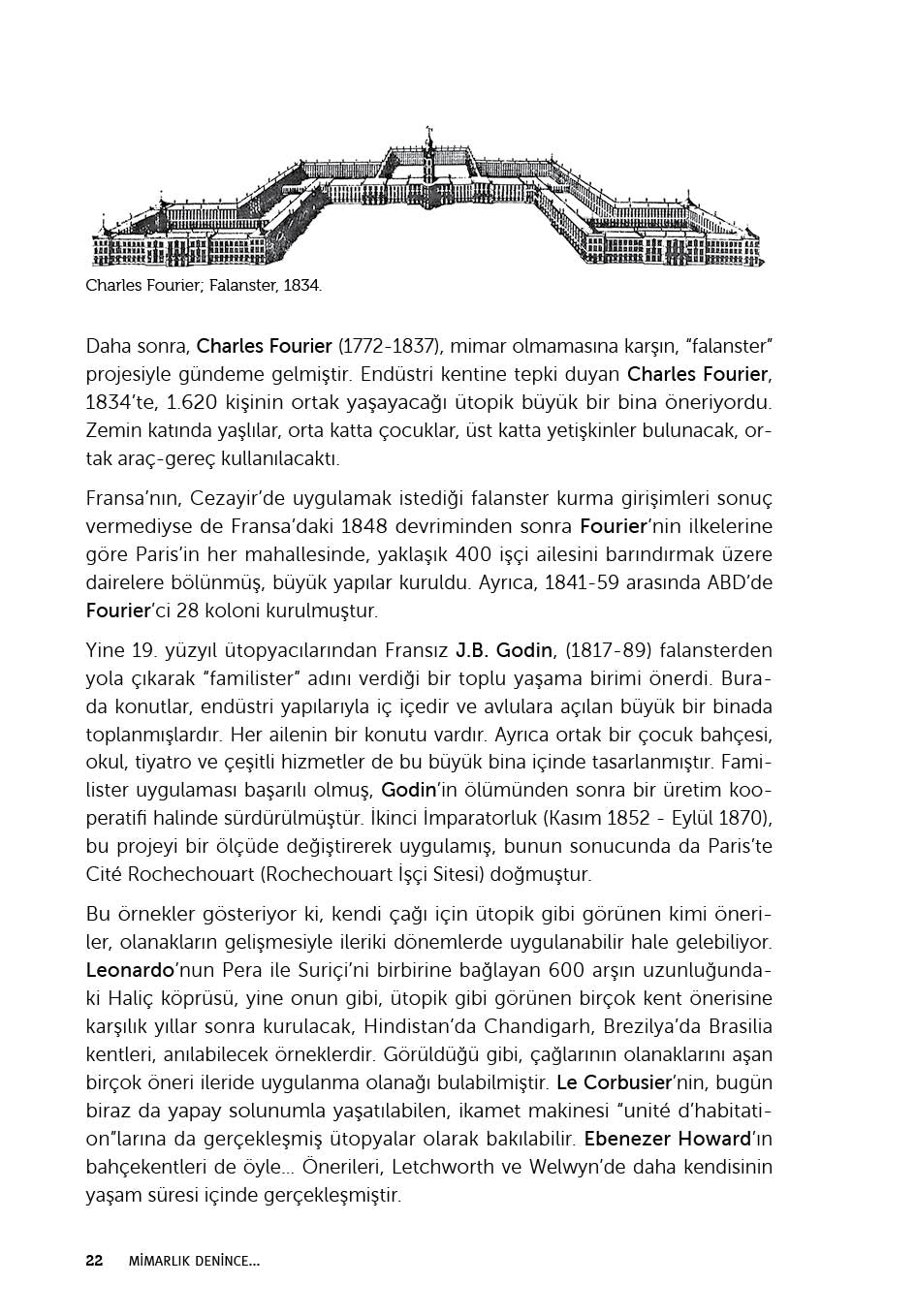
In Mimarlık Denince... (Speaking of Architecture...), Doğan Hasol describes "what architecture is" in light of his nearly 60 years of experience in various fields of architecture, along with the various connections that need to be considered; he even uses contradictory examples to show "what it is not."
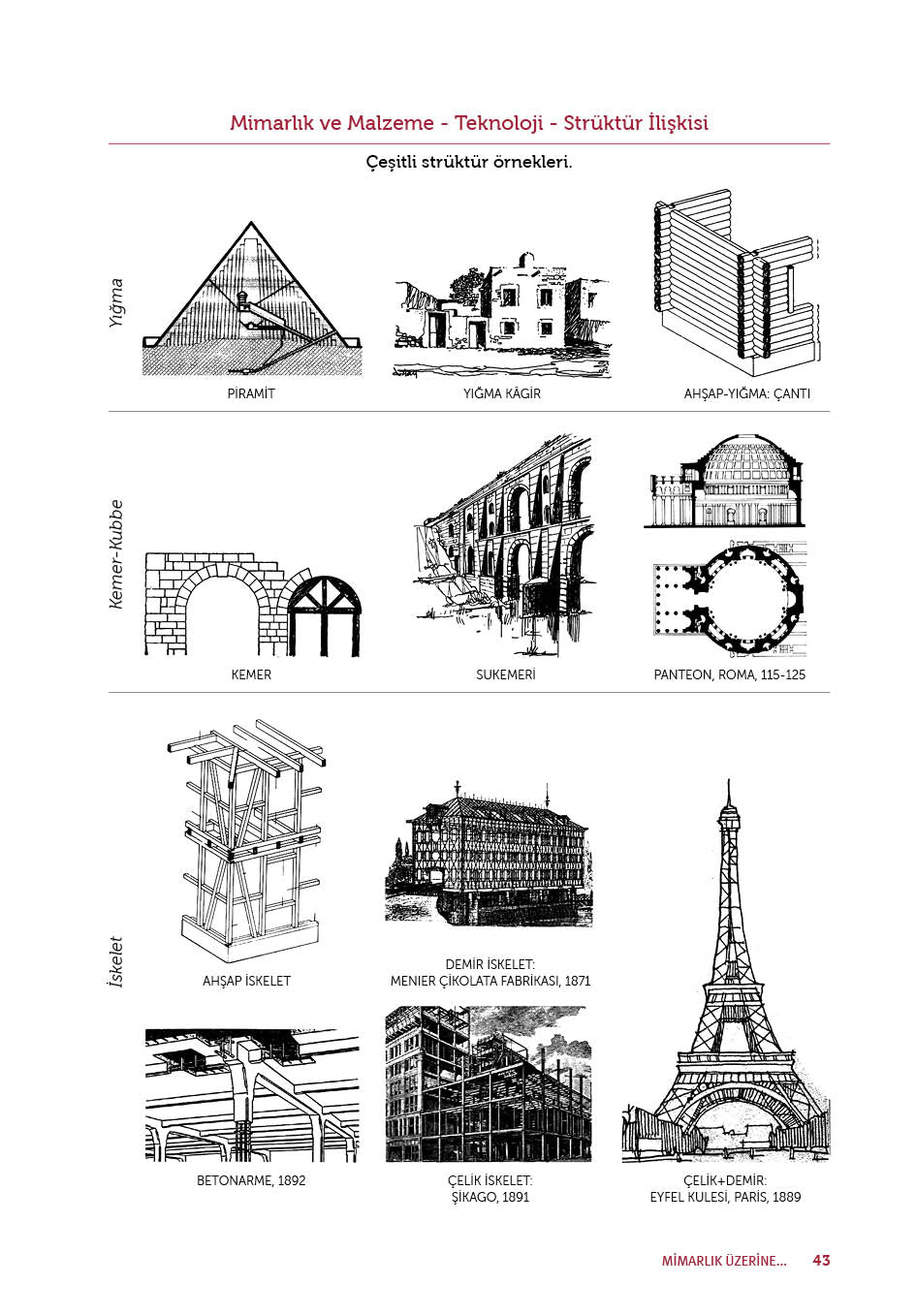
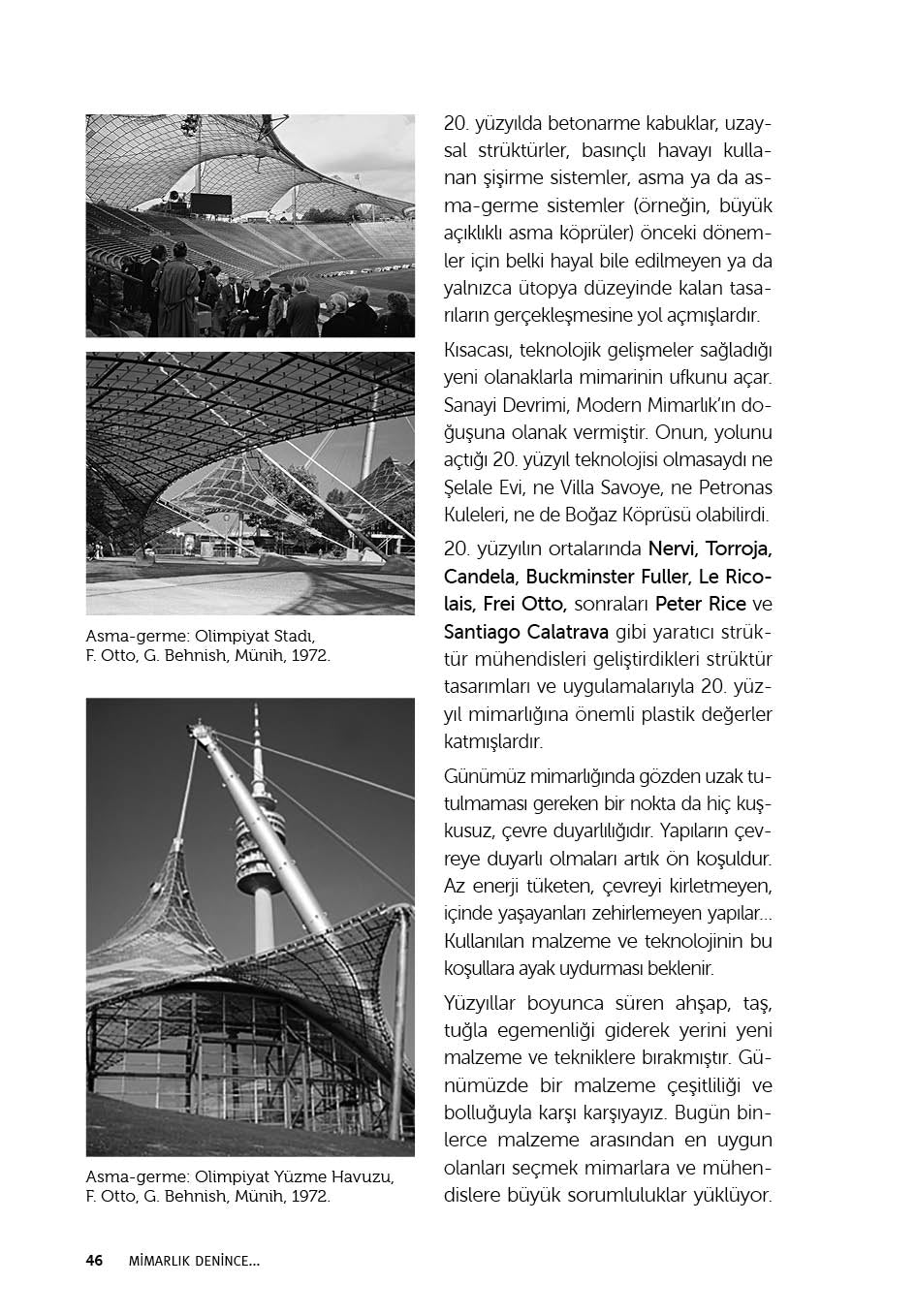
Doğan Hasol explains architecture in its various aspects, for aspiring architects and those interested in the subject, using simple language and structure, and reveals architecture's relationships with philosophy, art, history, technology, materials, politics, environment, city, and other disciplines. In the book, Doğan Hasol primarily answers the questions "What is architecture? For whom is it made?" and summarizes as follows:
"Architecture is one of the oldest professions in the world. However, it cannot be said that it is understood by society as it deserves. People constantly live in architectural environments: home, school, street, neighborhood, parks, cities, etc. All of these are architectural spaces, but people are often not even aware that they live in architectural spaces.
According to common belief, architecture is thought to consist only of the exterior appearance of buildings; however, it encompasses a whole of spaces, from urban space to the interior of a single room.
Architecture is an abstract synthesis. Its components have been accepted since the 1st century BC as, in their simplest definition, 'functionality, durability,' and 'aesthetics.' For good architecture, none of these components should be at an inadequate level. For example, just like in a multiplication, if one of the components is equal to zero, the result is also zero. This is why architectural evaluation and architectural criticism are difficult; it is a matter of serious knowledge and investigation.
It is meaningless to comment on a building or structure with adjectives such as 'beautiful' or 'ugly,' as is often the case. Such subjective approaches may give an idea of the commentator's architectural knowledge and cultural level, but they have no value as architectural criticism of the structure.
Architecture develops in time and space. Architectural accumulation reveals the most concrete reflections of past periods, civilizations, and history. For example, different periods of a historical city can be read from the architectural examples that reflect them.
That narrative also includes the environmental and geographical features and topography of the city. Indeed, the famous architect Frank Gehry says, 'Architecture should speak of its time and place,' and adds, 'But the goal should be eternity.' Thus, architecture is the narrative of a constantly changing world; it is the multi-dimensional solidified reflection of social, political, scientific, technological, and artistic developments, and conceptual conflicts.
To understand what is happening in architecture, one cannot be content with looking only at the architectural products of that era; one must also look at the thought system, science, technology, industry, and art together. In fact, a true work of architecture provides information about the period in which it was made."
