
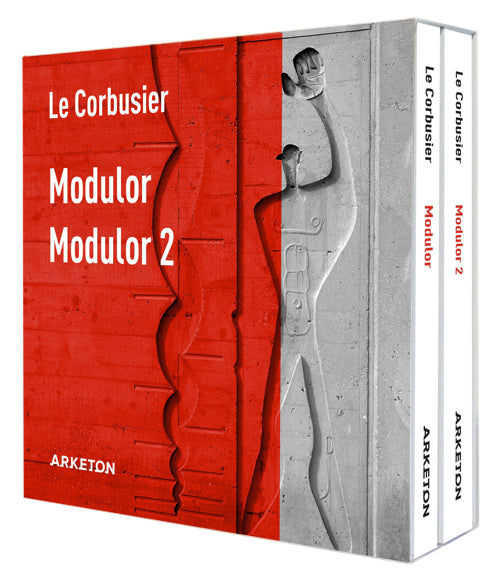
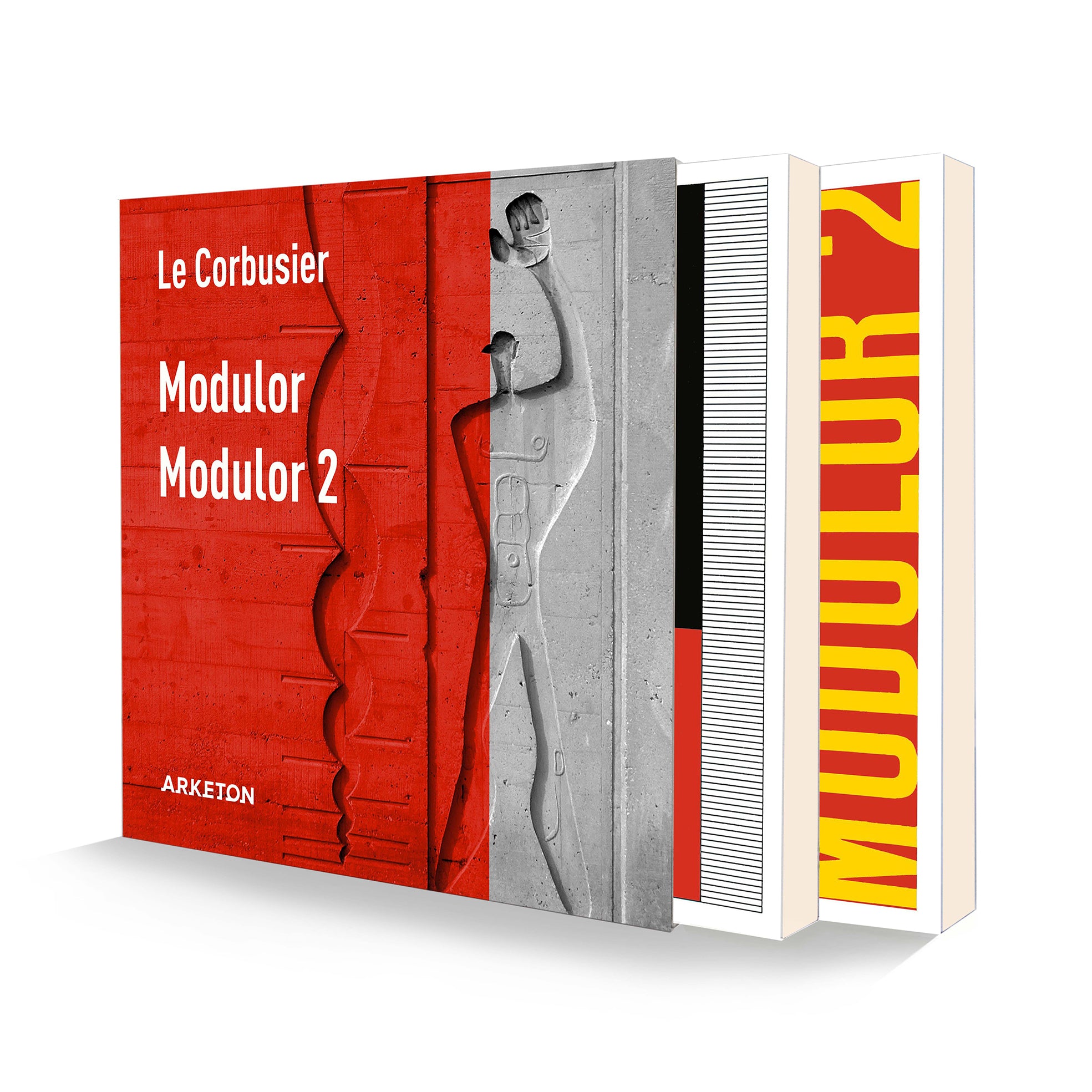
Modulor – Modulor 2 (2 volumes)
Yazar: Le Corbusier
Brand: Arketon Yayınları
Basım Tarihi: Ekim 2021
Basım Dili: ["Turkish"]
Sayfa Sayısı: 564Boyut: 14.5 x 14.5 cm
In stock
9786057455451
Product Description
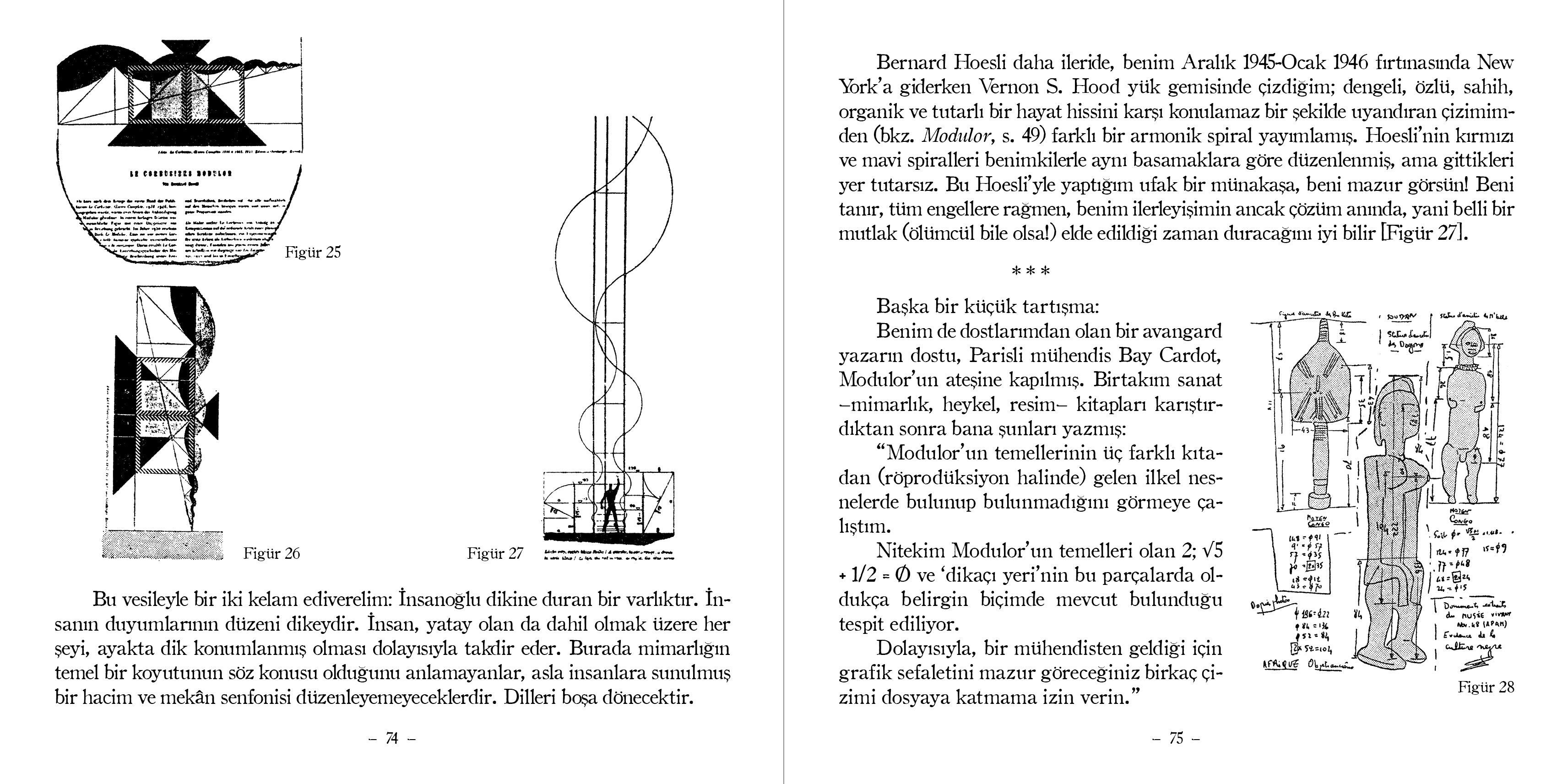
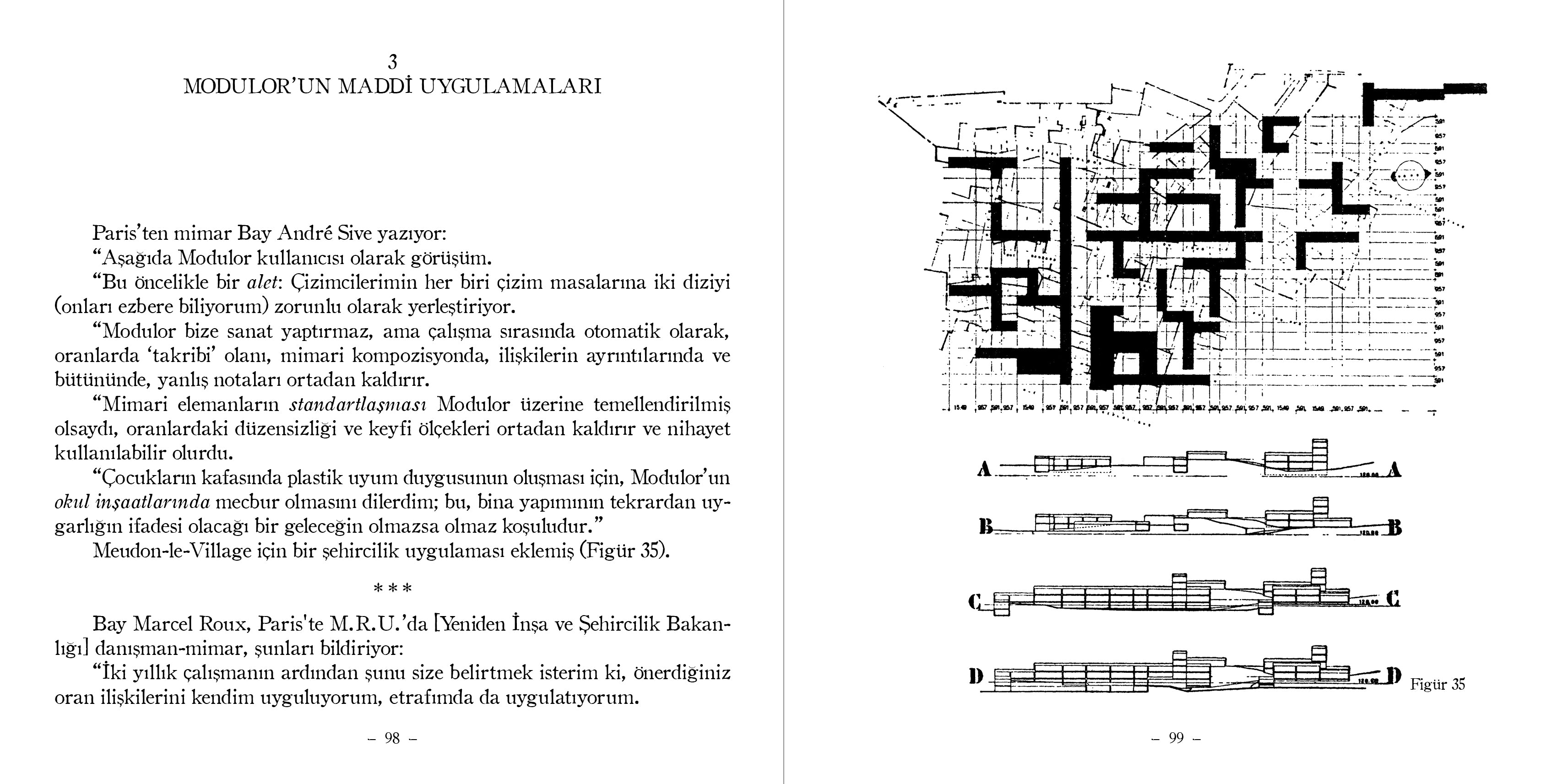
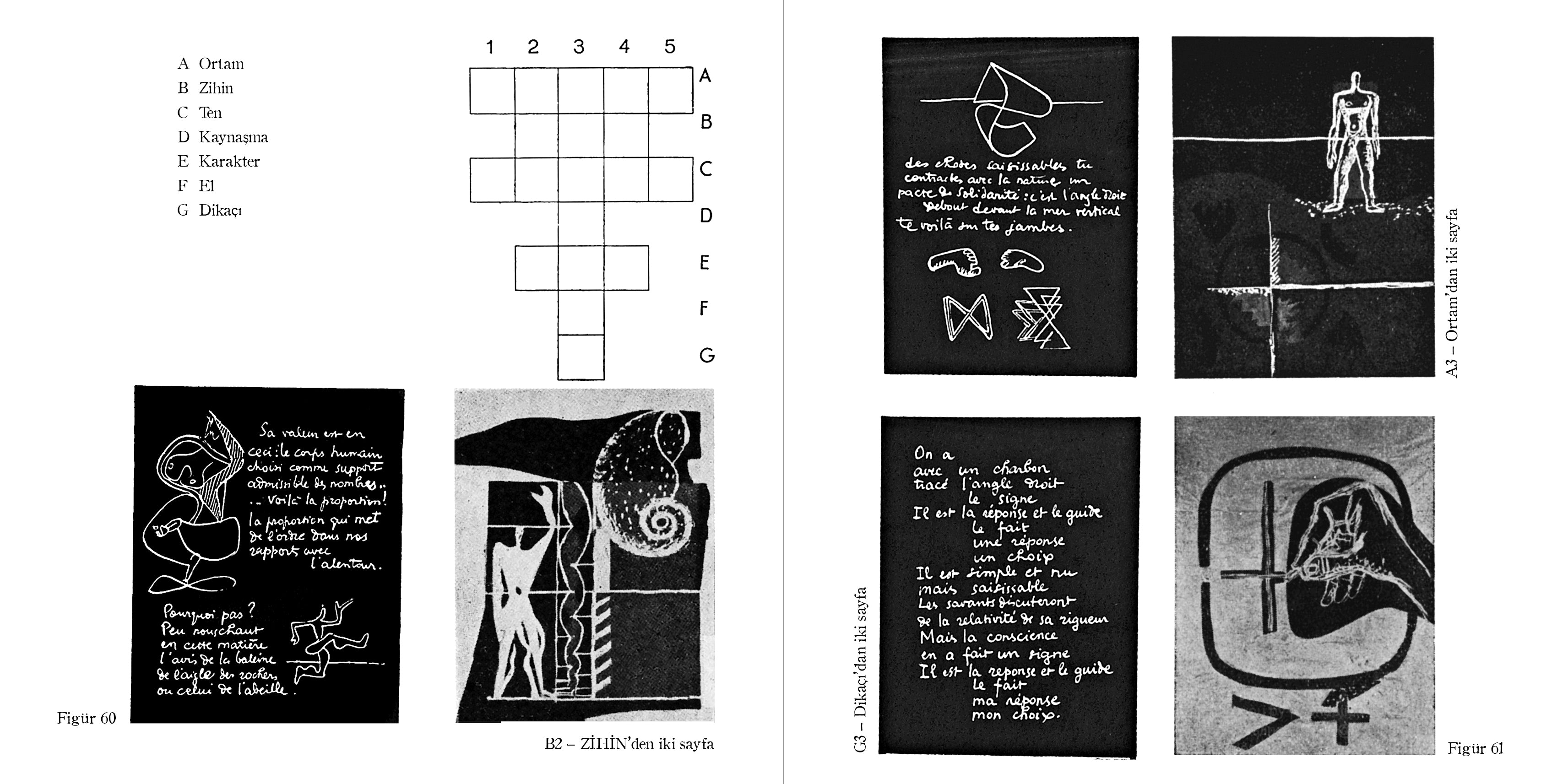
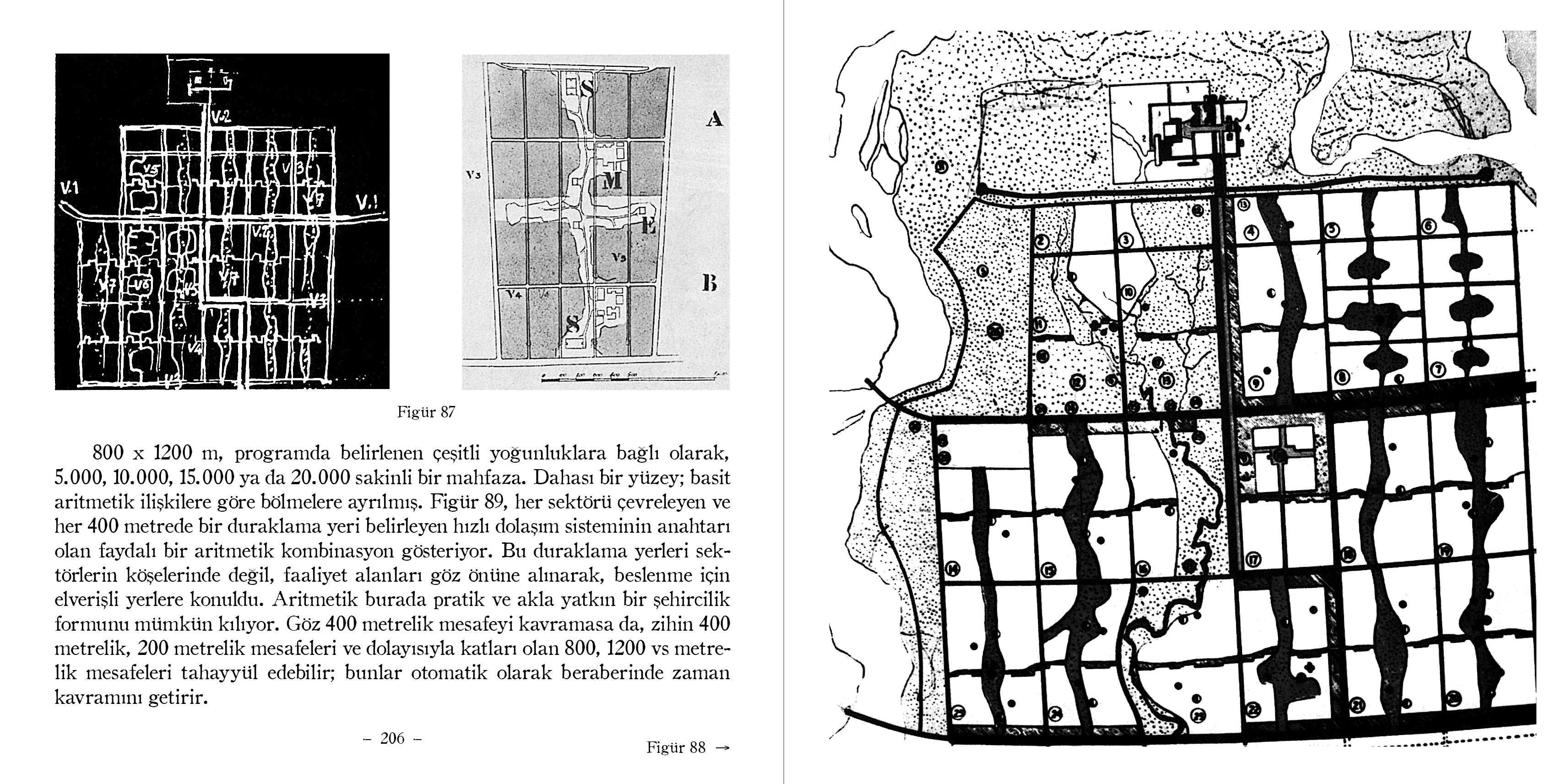
Charles-Édouard Jeanneret (1887-1965), known as “Le Corbusier” and one of the most prominent architects of the 20th century, authored the books titled “Modulor” and “Modulor 2” to explain, introduce, and demonstrate the various applications of the “Modulor,” which he designed to bring a norm to architecture. These books have been published by Arketon, with a translation by Aziz Ufuk Kılıç and meticulous facsimile reproduction, under the editorship of Aykut Köksal and Bahar Demirhan.
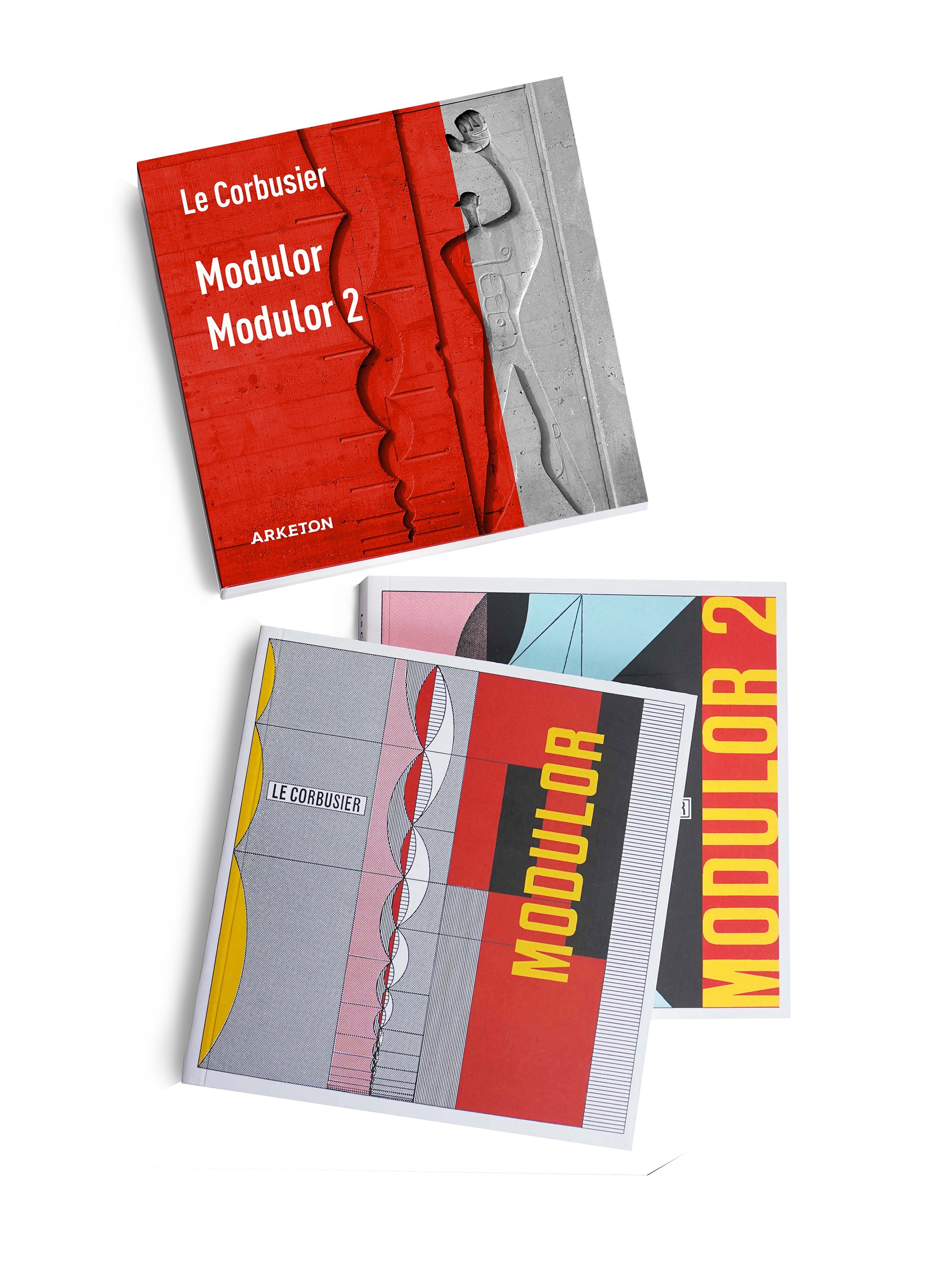
“Modulor” and “Modulor 2,” published in two volumes in 1950 and 1955 and considered cult books in architectural literature, have been re-produced, preserving their original typographic layouts and emphasizing their “object book” characteristics. With its new edition and new box, the Modulor set will hold a special place in libraries as a collectible object that reflects Le Corbusier's sensitivity in book design.
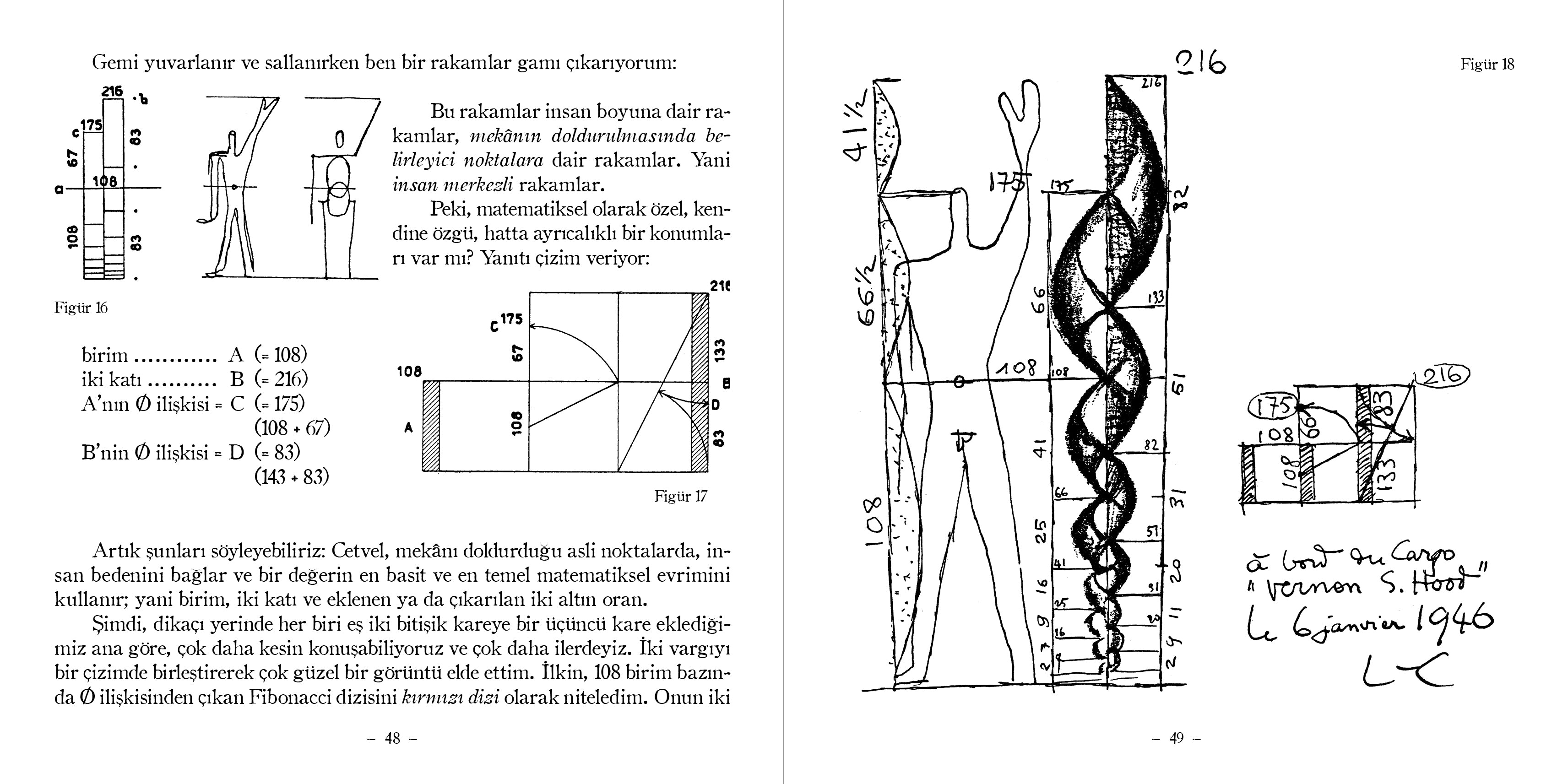
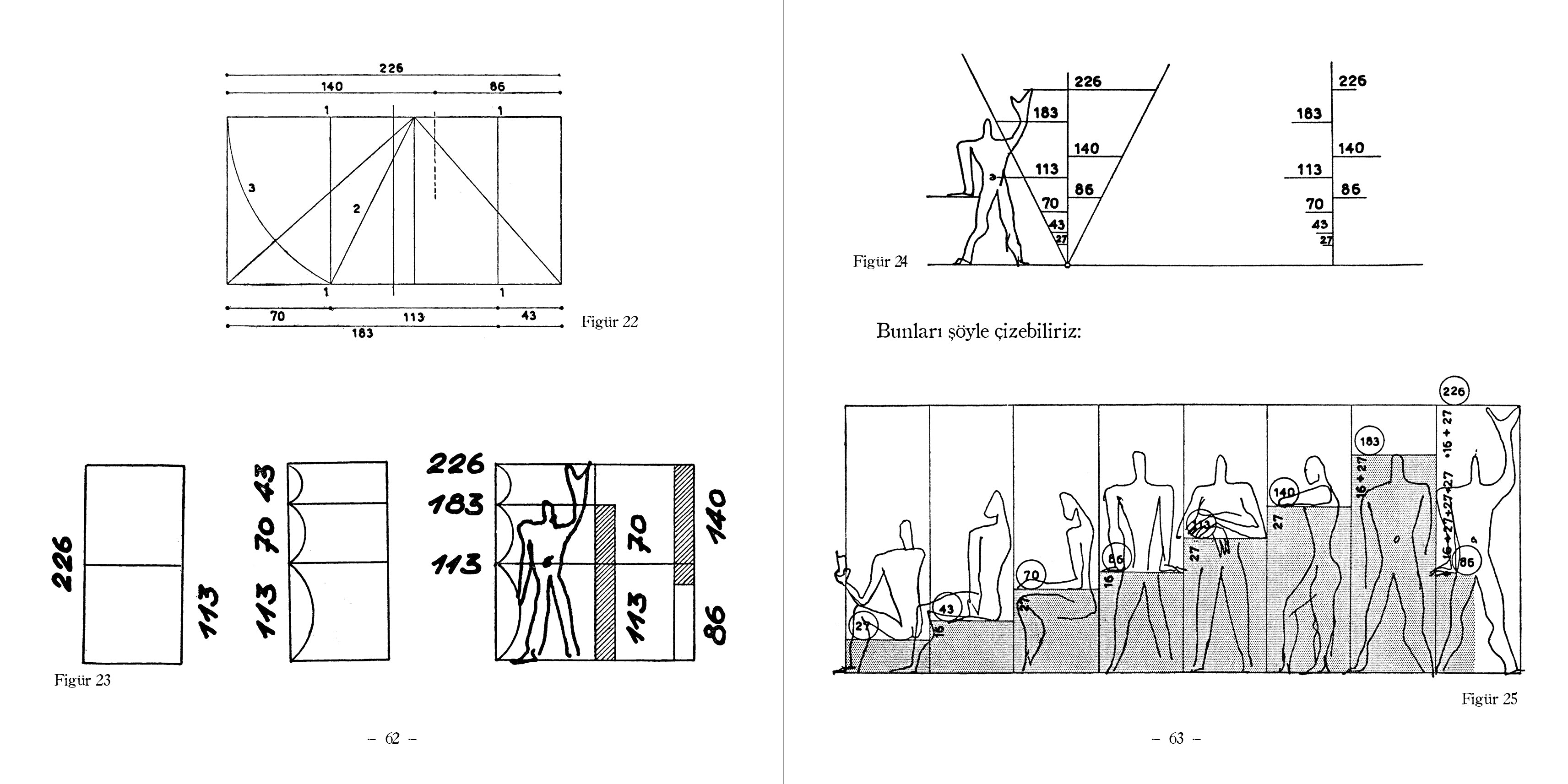
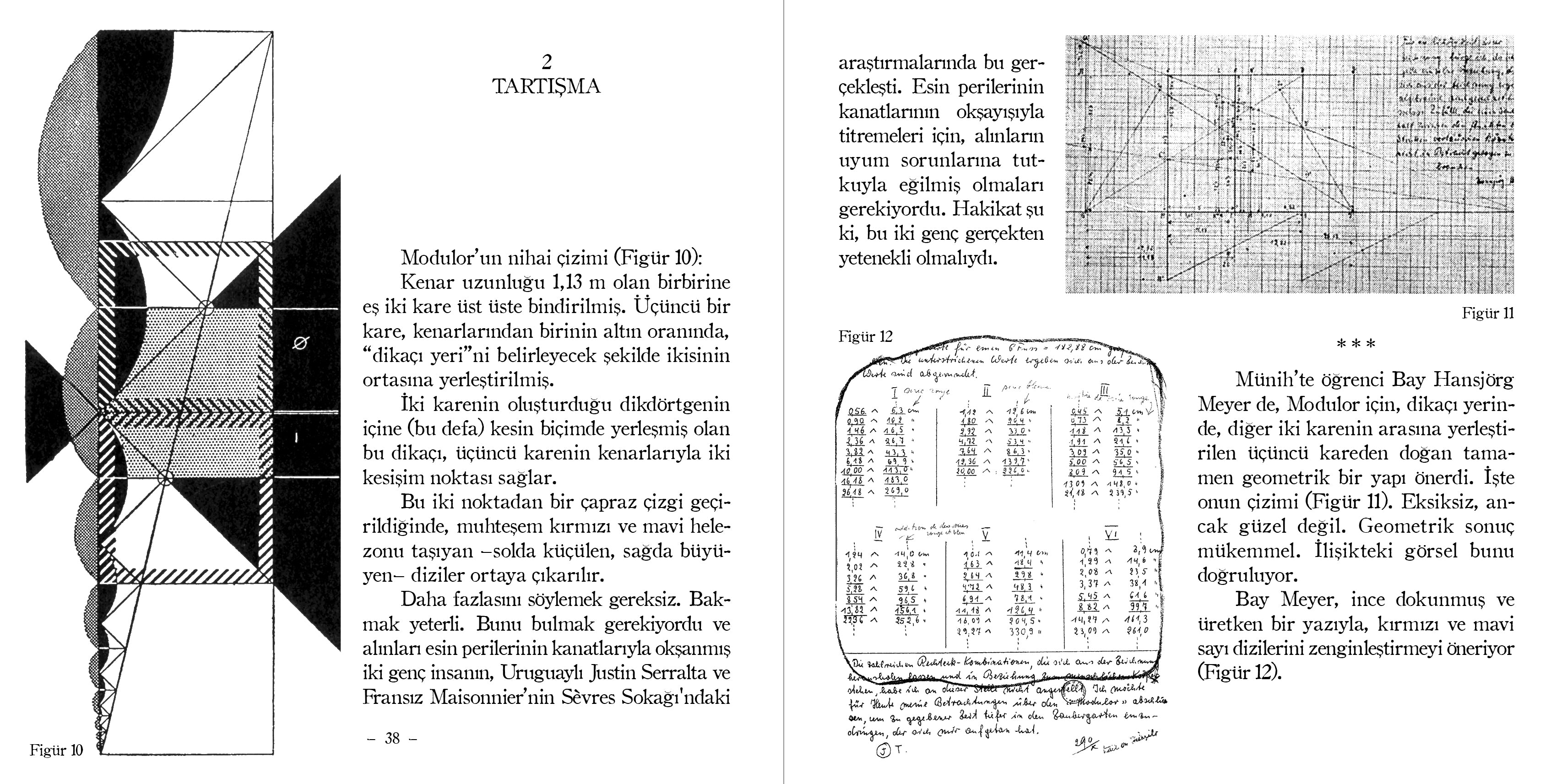
“Modulor” is a system of measurement and proportion based on the human body, the golden ratio, and the Fibonacci sequence in mathematics. With this system, Le Corbusier aimed to bring a norm to design that would control a broad context, ranging from all objects surrounding human life to typography, and for this purpose, he created a ruler. The master architect emphasizes that "it is stated that everything has become unregulated in our time," implying that contemporary production should have defined rules in all areas, and poses the question: "Do we know that our civilization has not yet achieved the stage that music has achieved in visual matters, in terms of lengths?" Le Corbusier adds the question, "Can the measurements used to produce objects remain local?" and, in response, proposes his universal measurement system, Modulor. Having consulted with many people to question the system and included different interpretations in his books, Le Corbusier quotes Albert Einstein as saying, "This is a range of proportions that makes evil difficult and good easy."
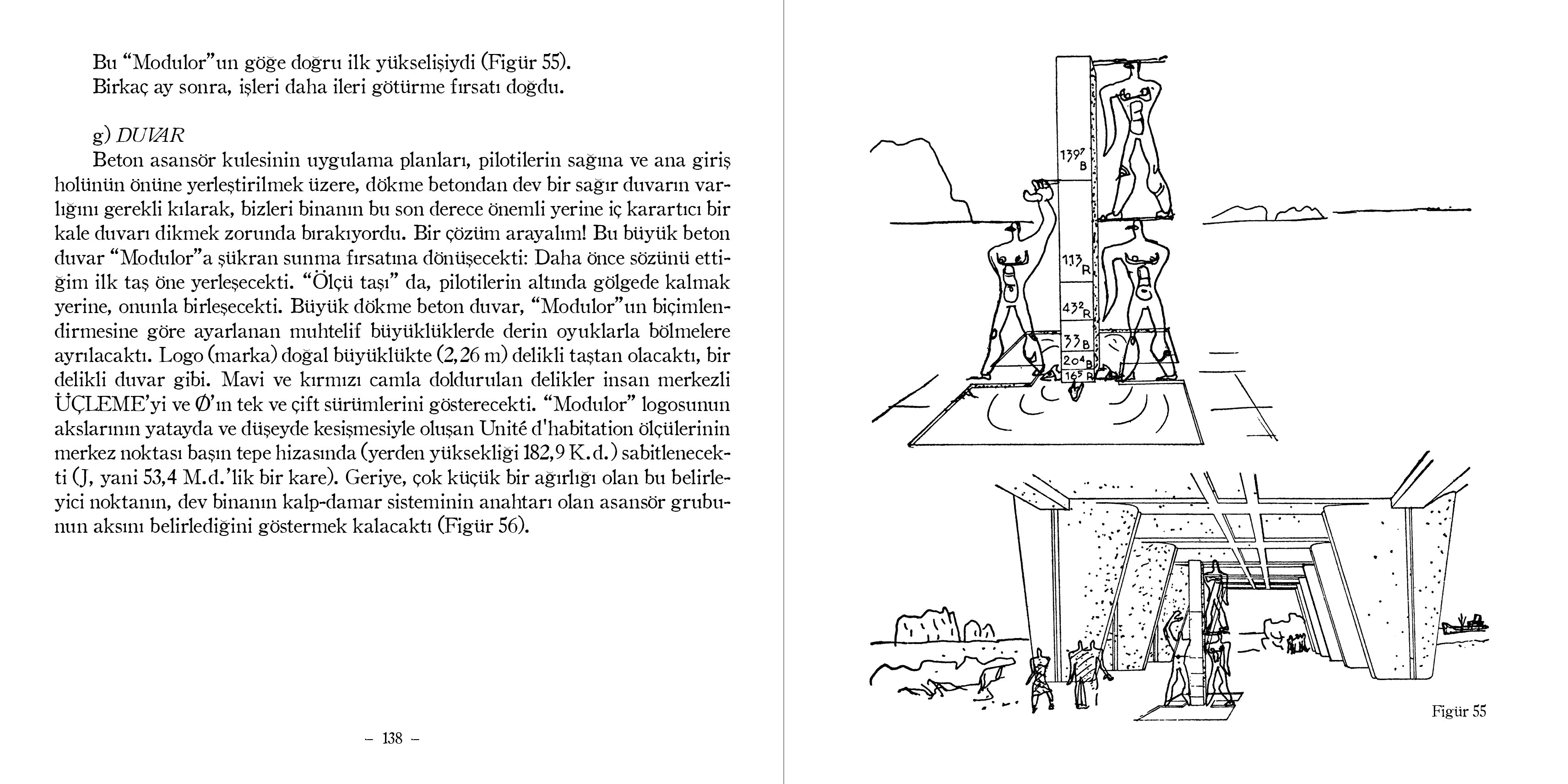
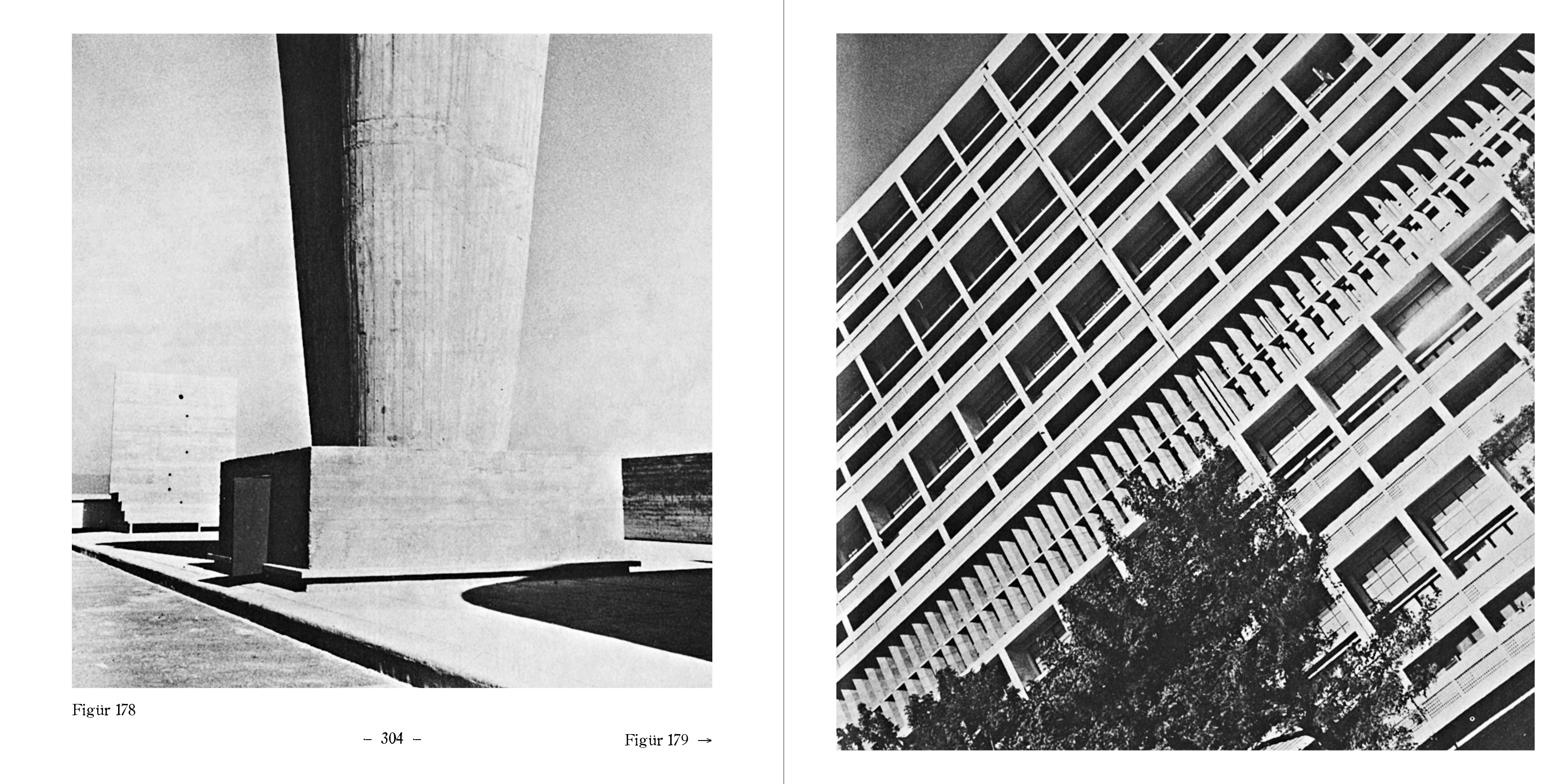
The iconic symbol of Modulor is the image of a human with an arm raised. Le Corbusier uses this image as his signature and transforms the Modulor human into a raw concrete relief in structures like the Unité d'habitation in Marseille, which he designed with Modulor measurements. Architecture theorist Siegfried Giedion compares Leonardo da Vinci's Vitruvian Man with the Modulor Man, stating that Leonardo's static man corresponds to static architecture, while Modulor's dynamic man indicates dynamic architecture.
The Modulor system is an important clue not only in the context of Le Corbusier's architecture but also for understanding modernism's quest for control norms. The two-volume Modulor books, beyond being a resource that conveys this system, constitute one of the iconic cult objects of modernism.
