
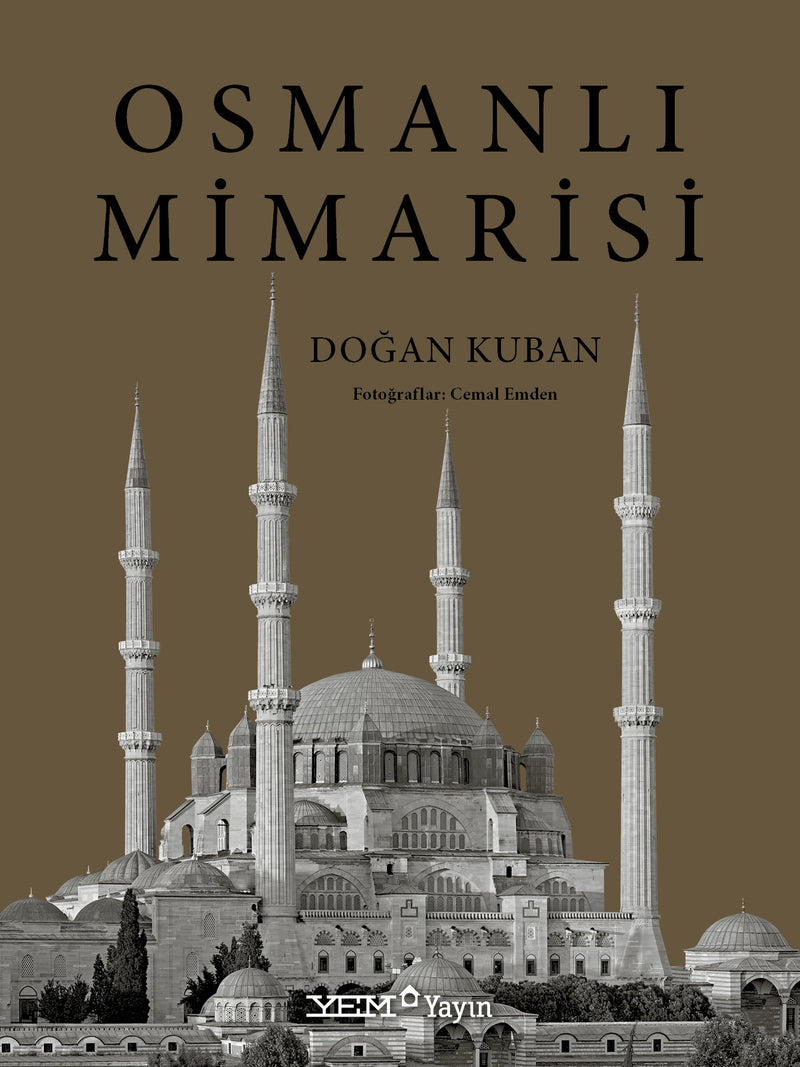
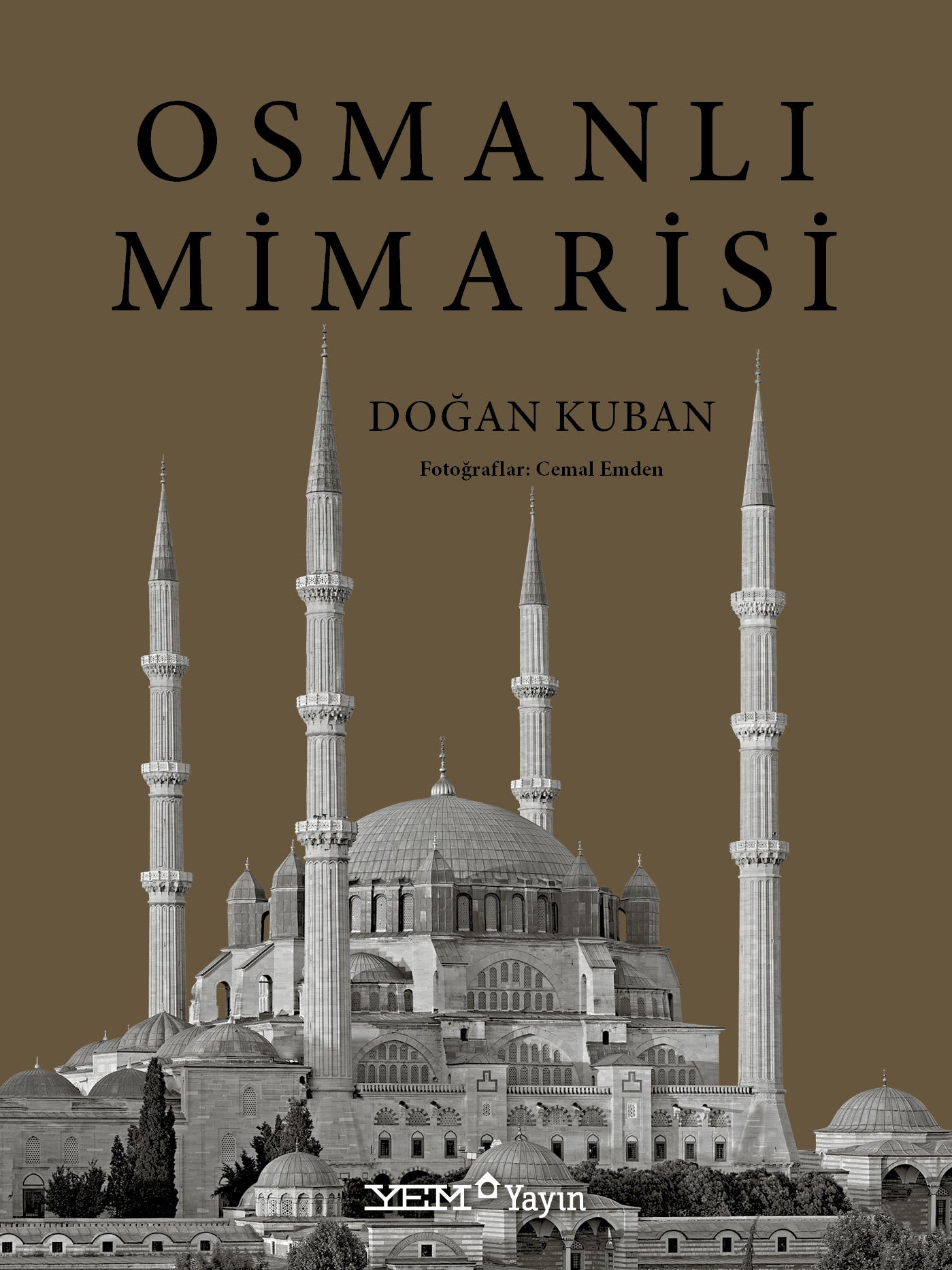
Ottoman Architecture (Hardcover)
Yazar: Doğan Kuban
Brand: YEM Yayın
Basım Tarihi: Aralık 2021
Basım Dili:
Sayfa Sayısı: 720Boyut: 24.0 x 32.0 cm.
Out Of Stock
9786257008488
Product Description
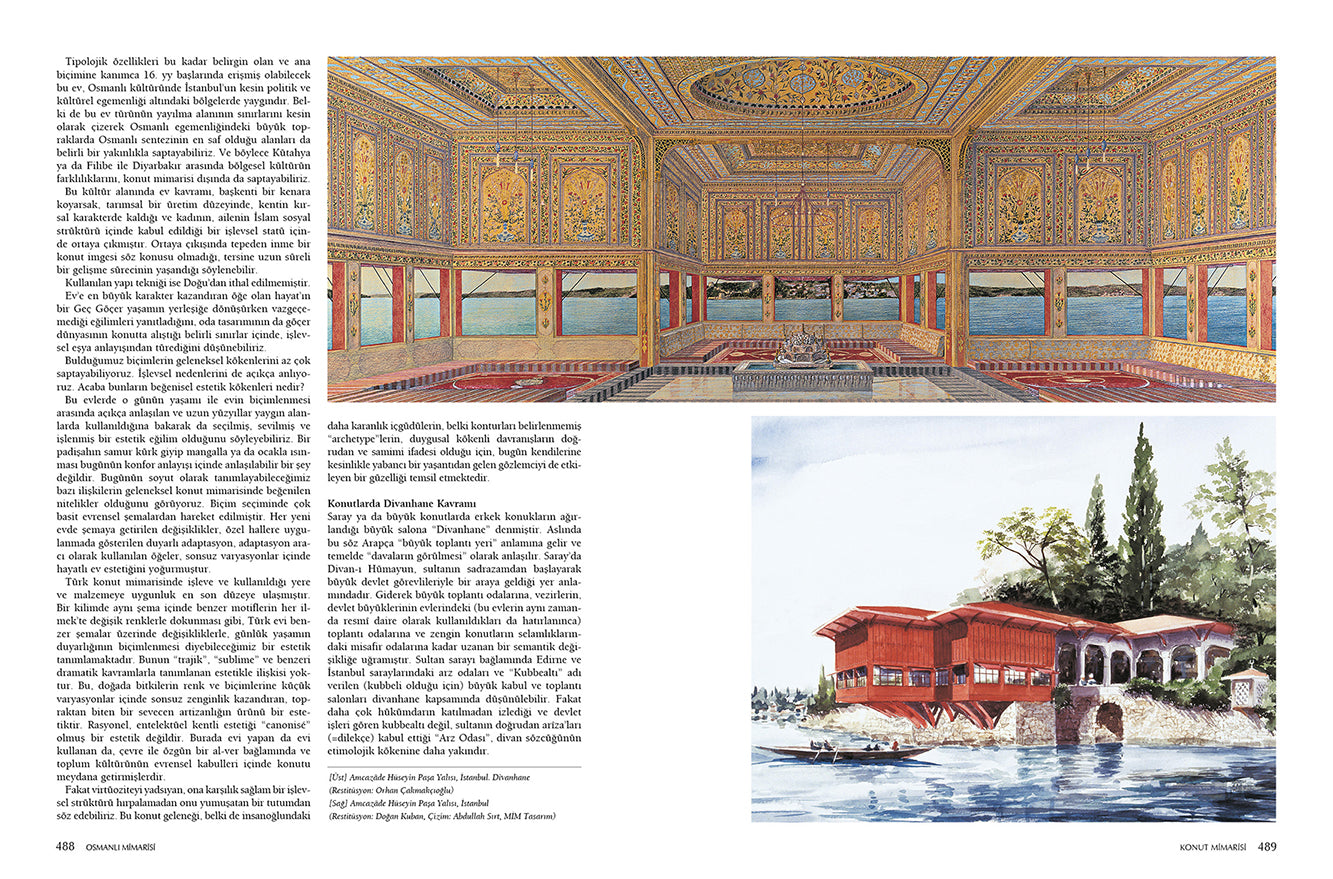
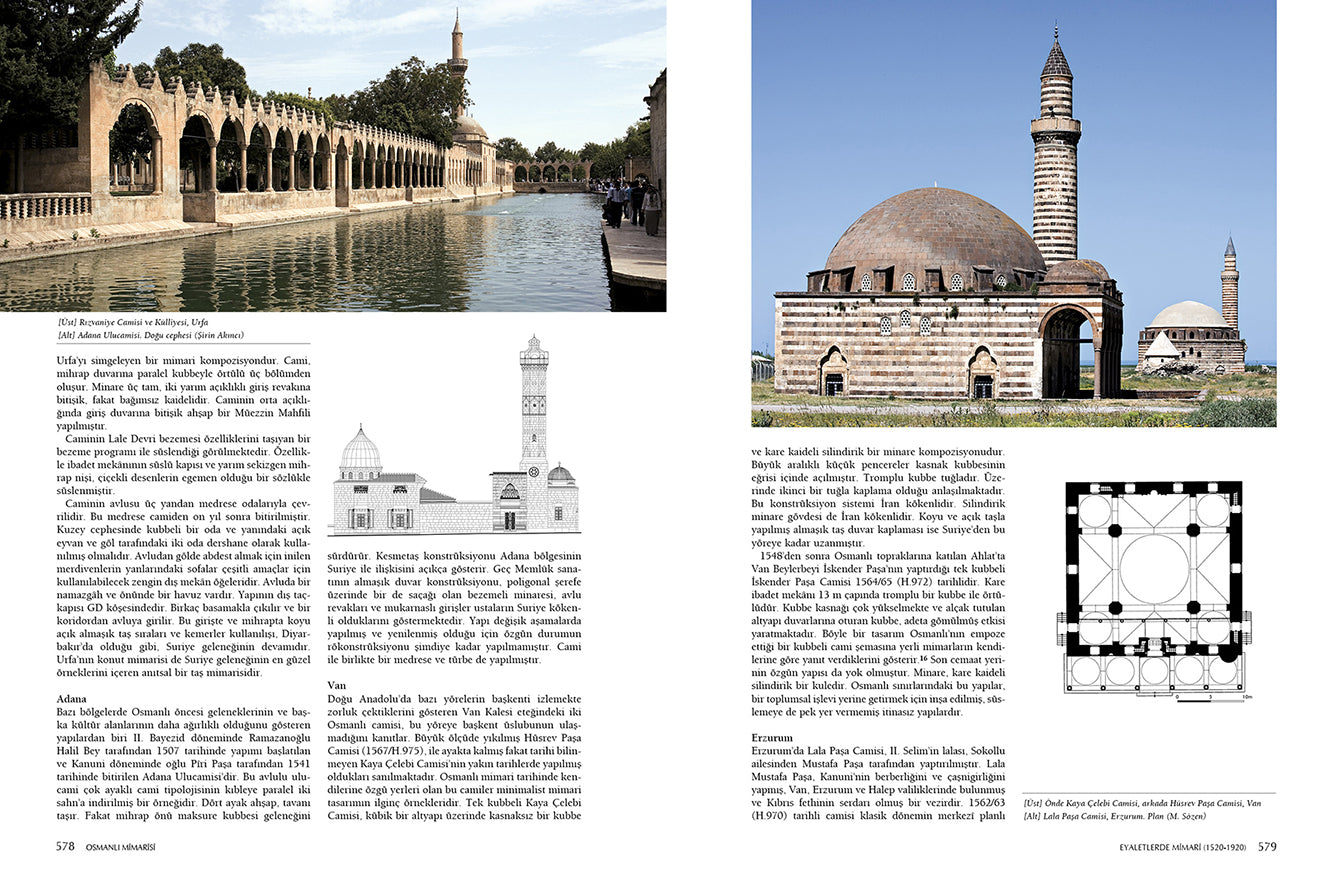
YEM Yayın has published the longed-for new edition of Professor Doğan Kuban’s “Ottoman Architecture,” which he wrote with the intention of “revealing prejudices about Ottoman history, culture, and art, and putting an end to the clichés created by foreigners and even Turks themselves since the 19th century,” with the valuable contributions of RÖNESANS Holding.
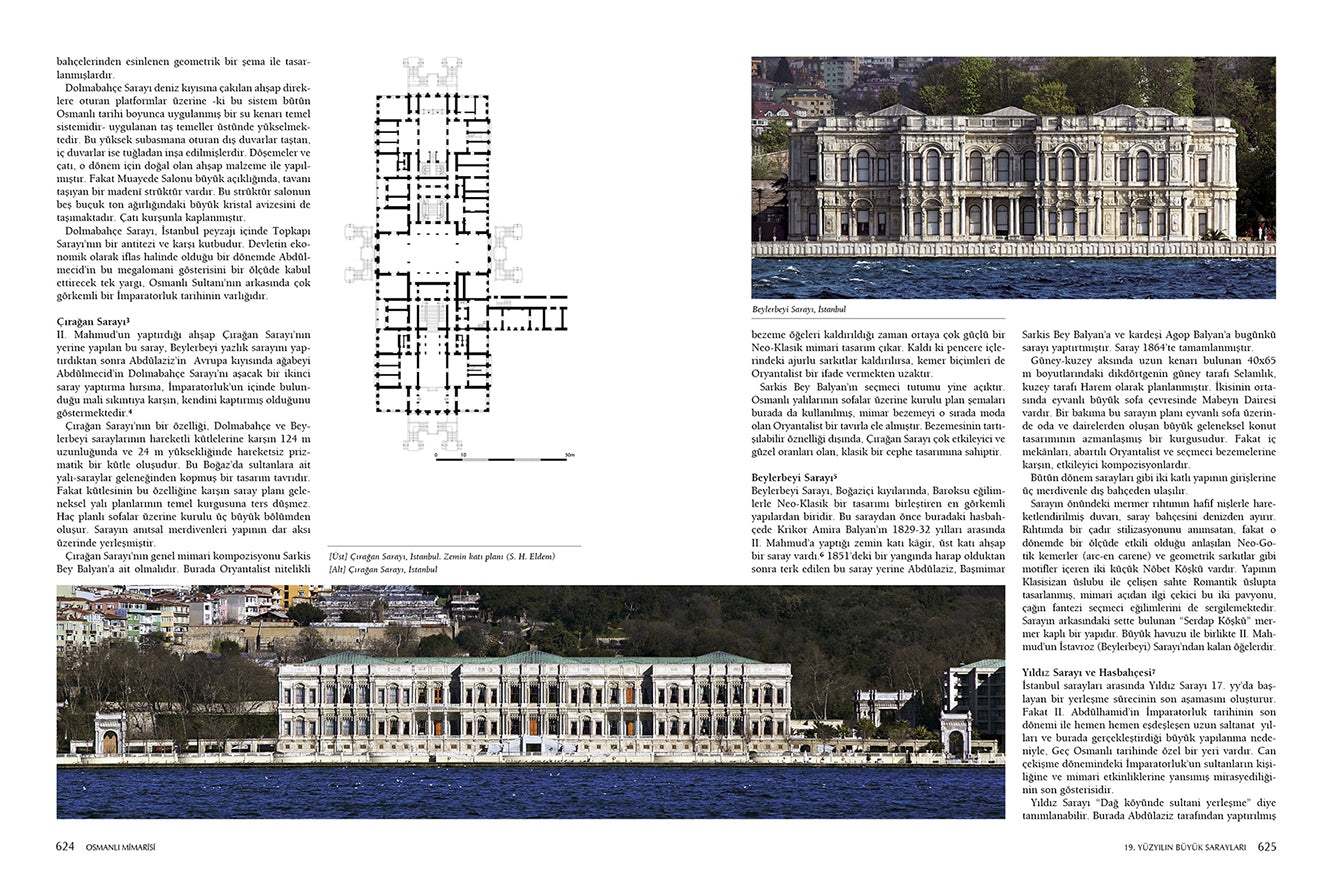
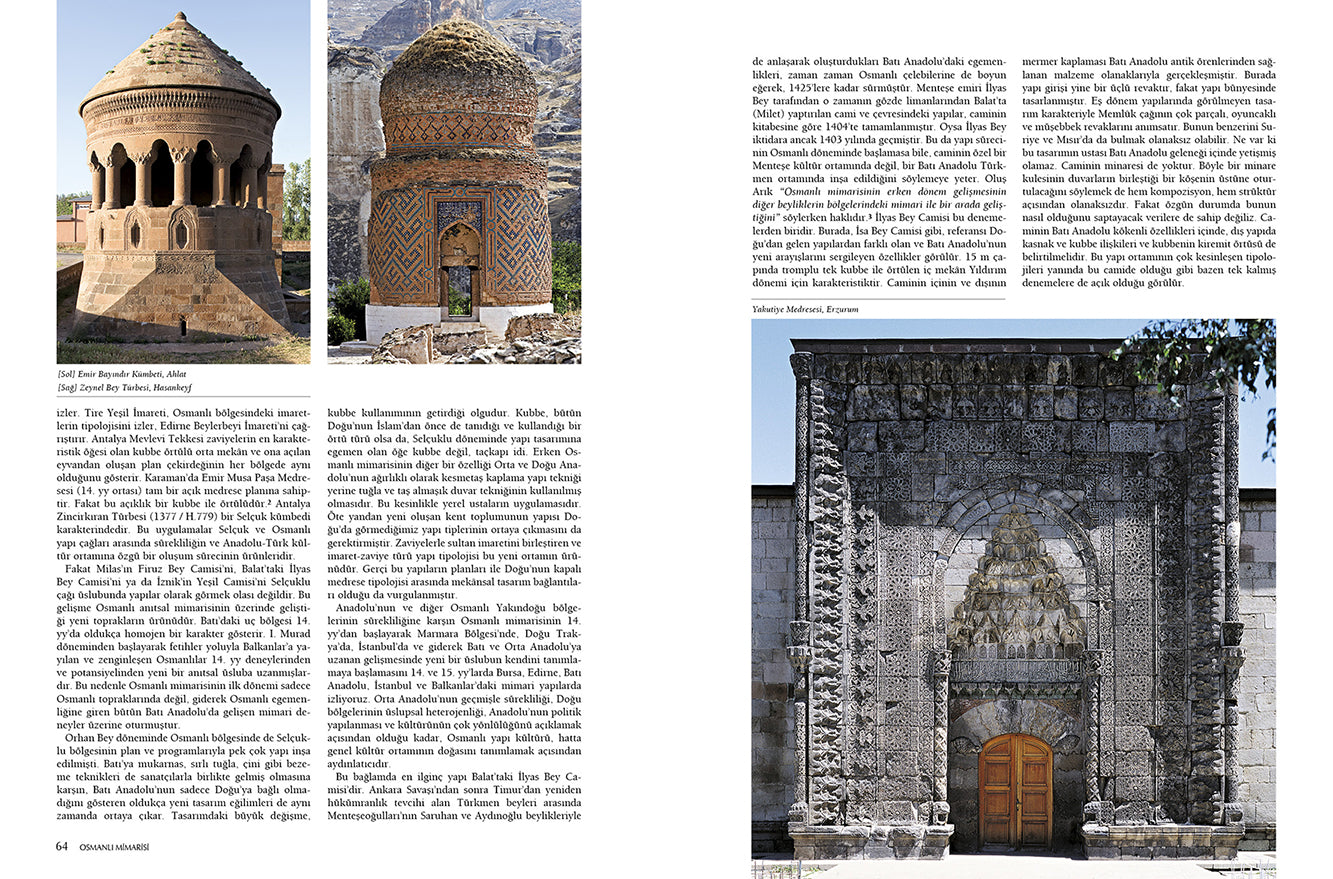
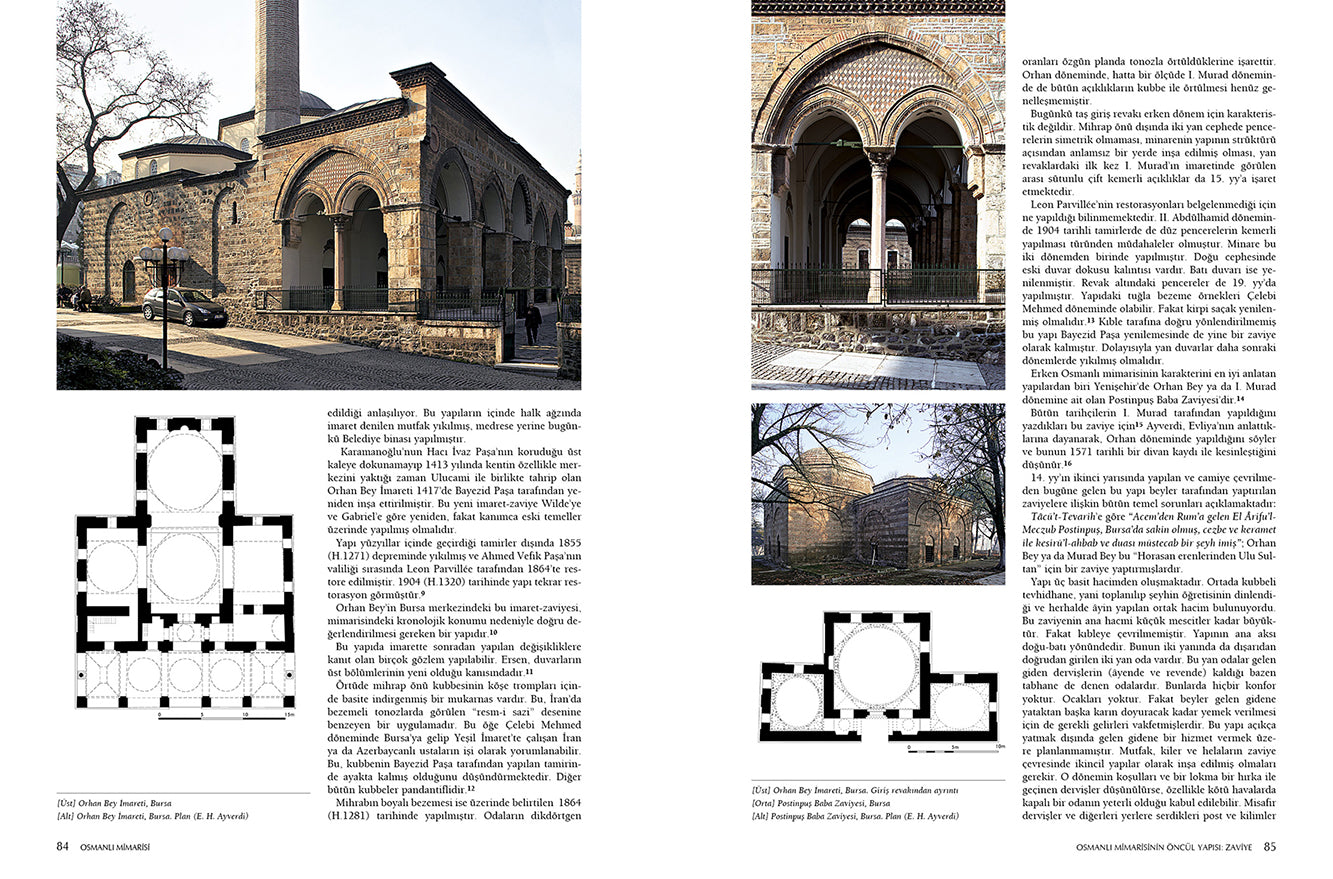
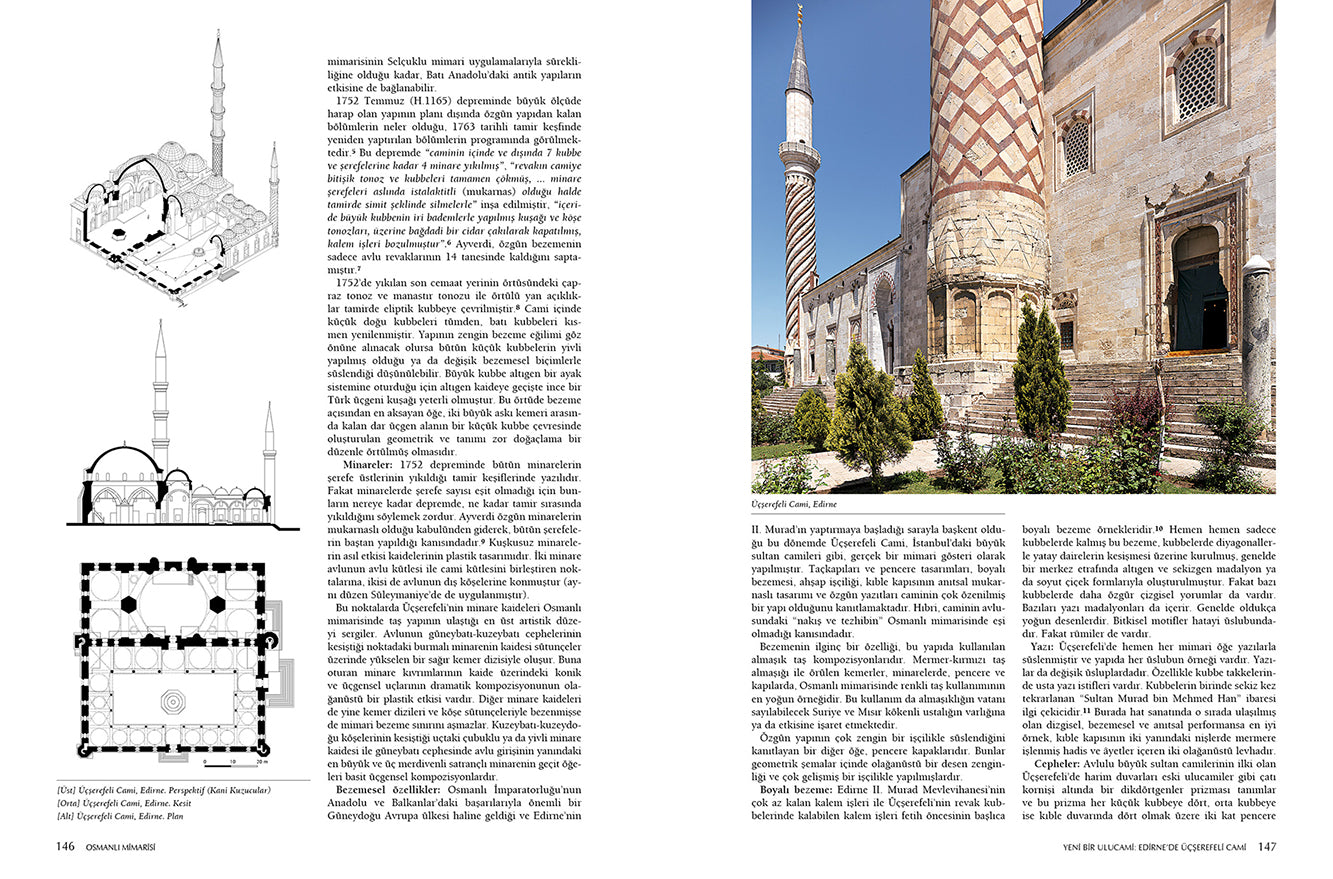
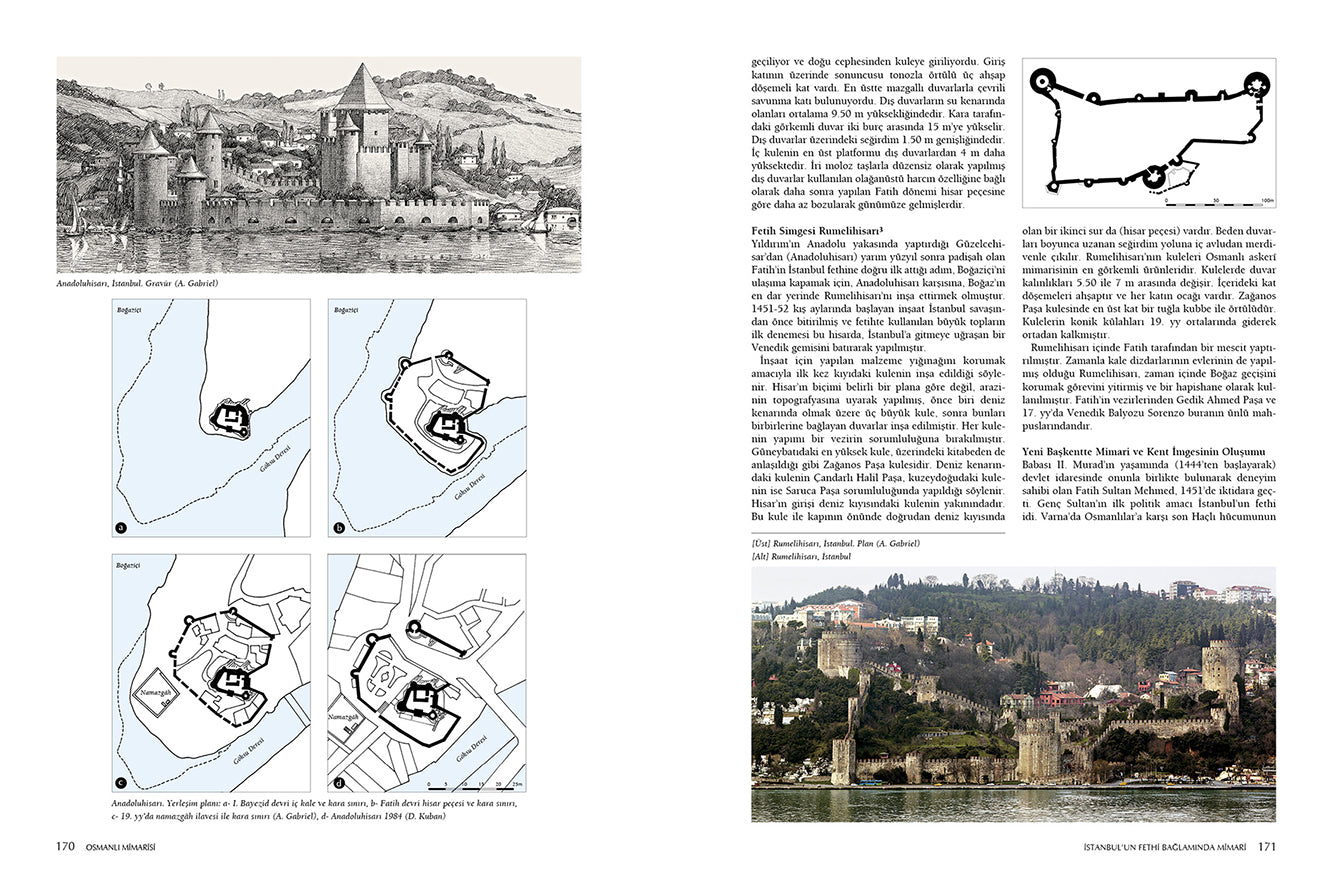
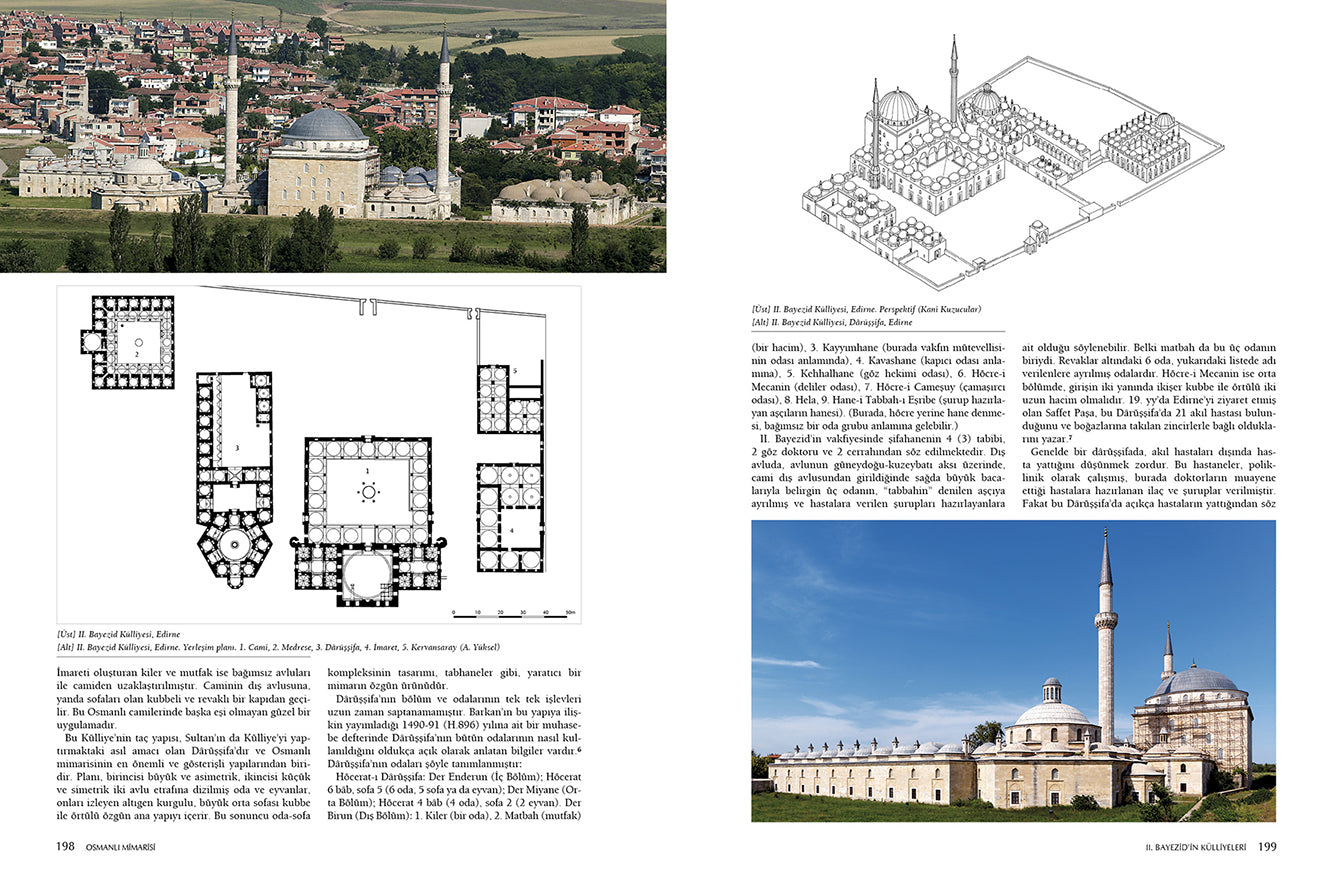
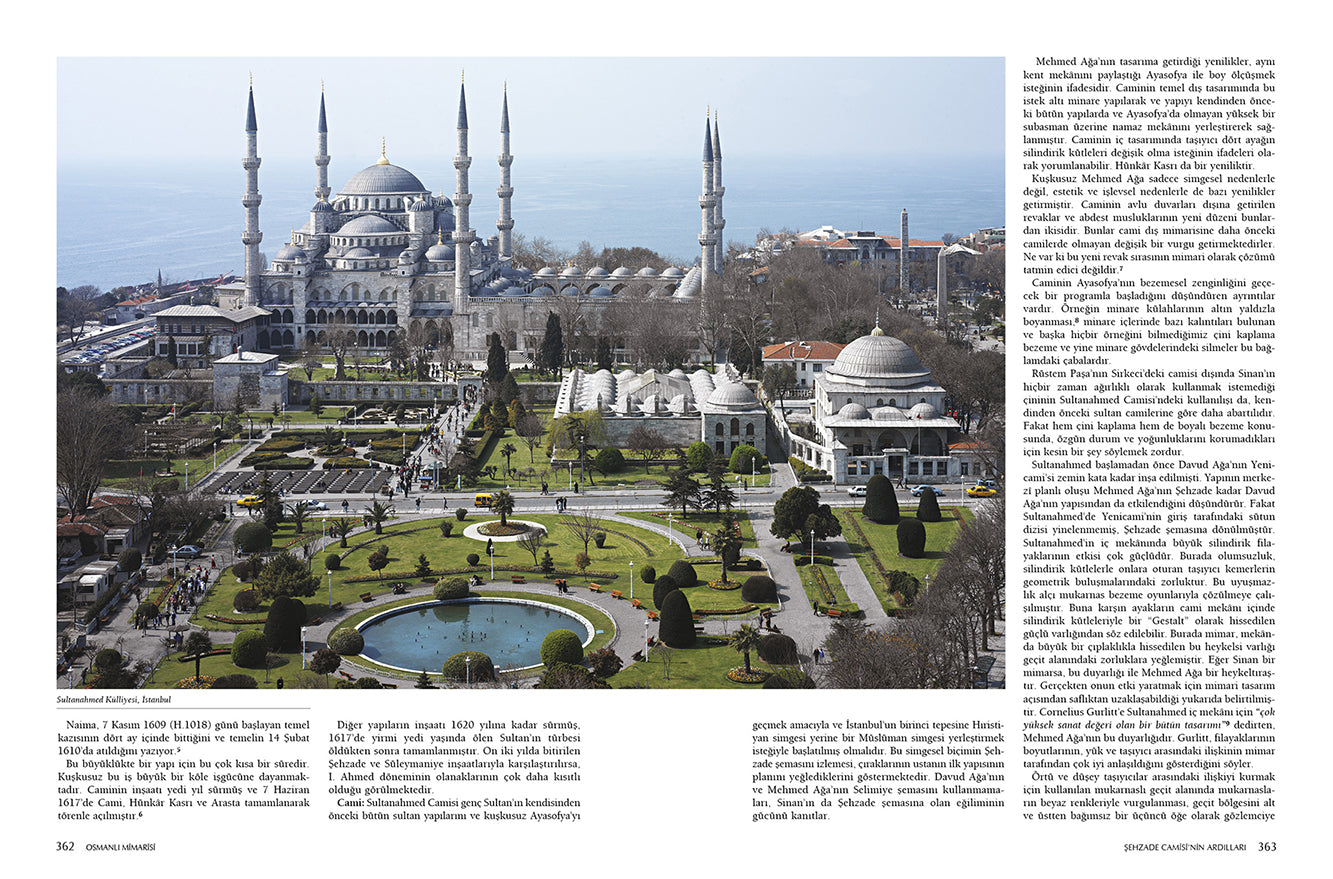
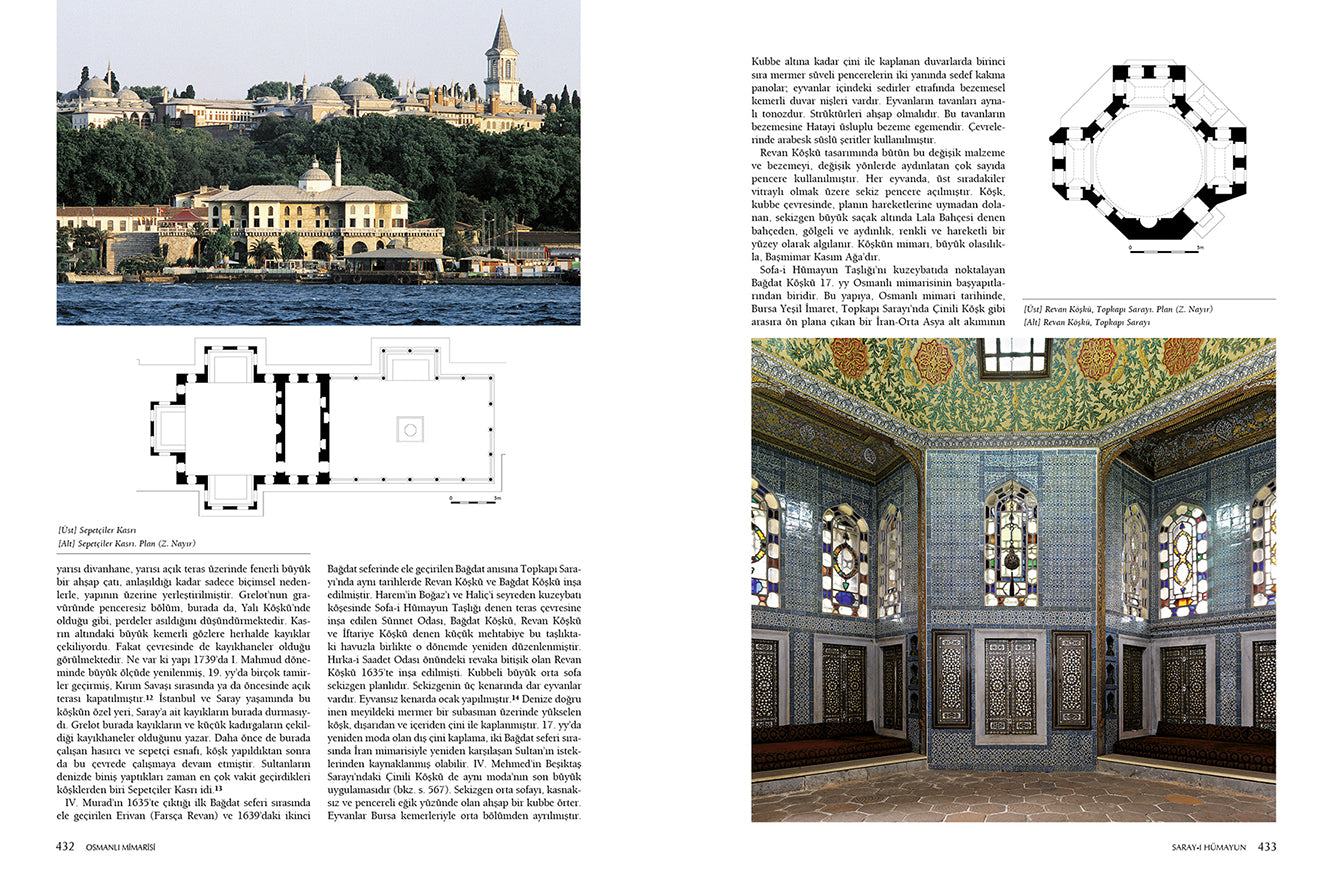
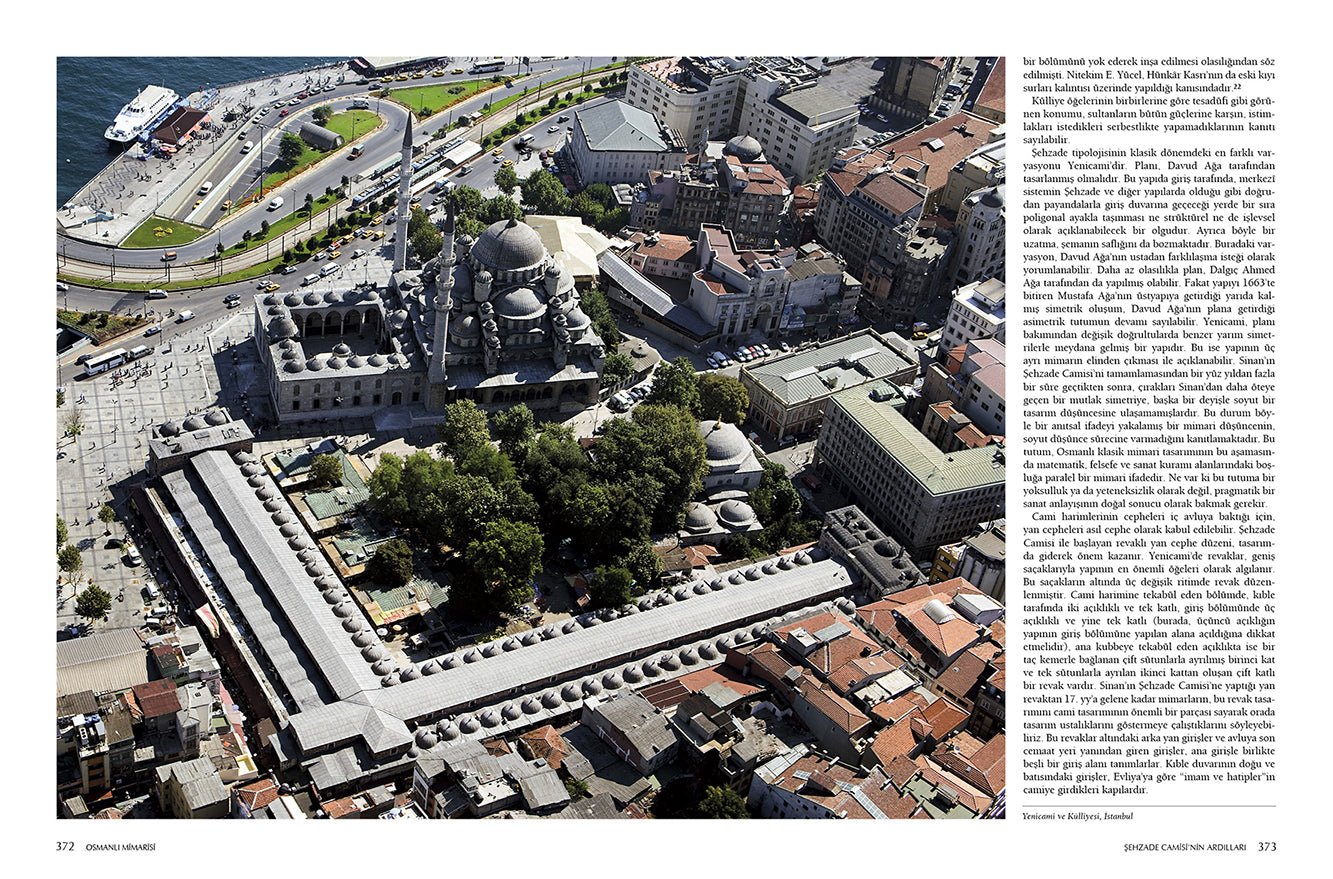
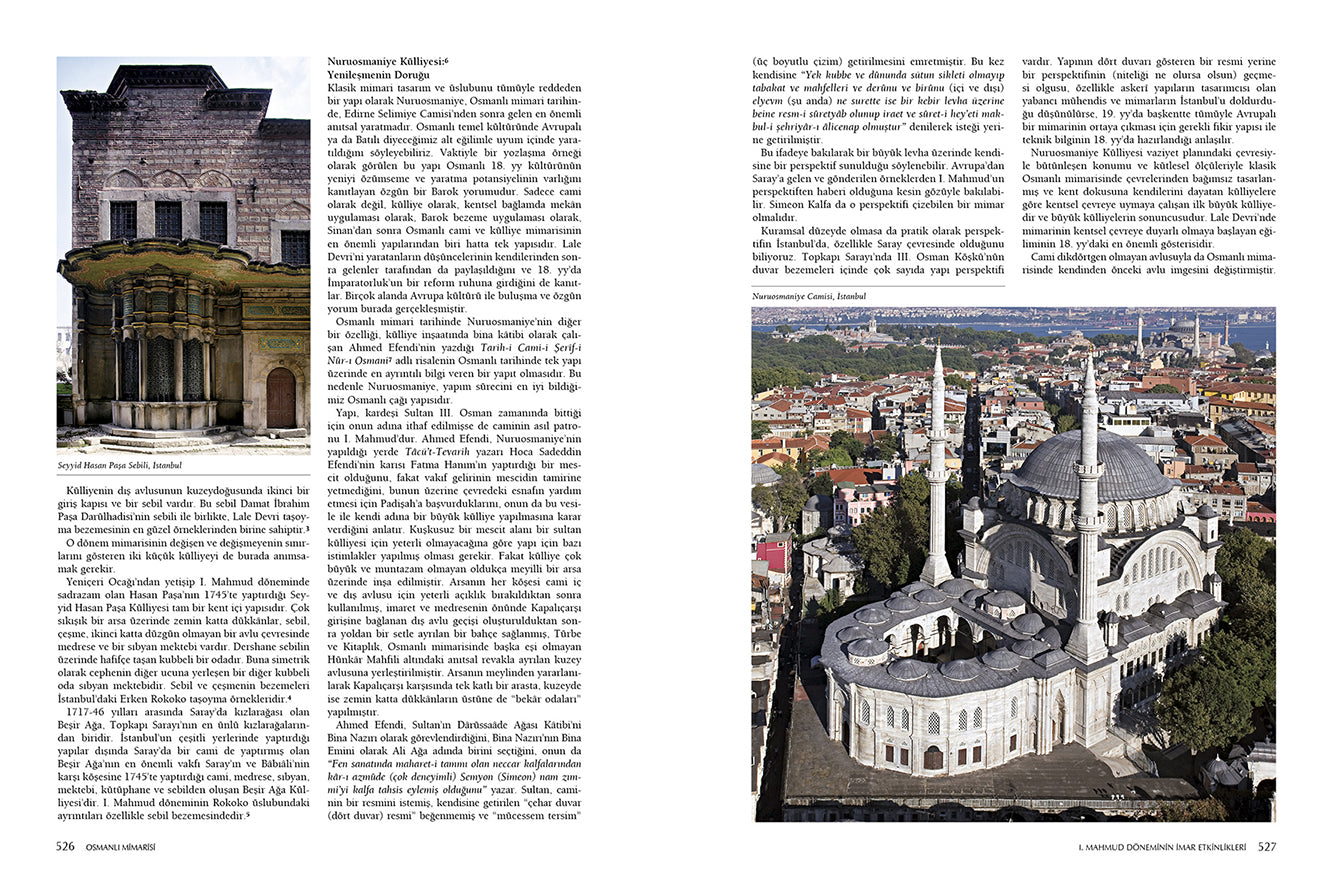
This comprehensive reference work, which includes meticulously compiled academic data, features nearly 1,000 specially taken photographs, architectural drawings, engravings, comparative tables, and maps, as well as an Ottoman-Turkish Architecture Dictionary.
DOĞAN KUBAN TALKS ABOUT “OTTOMAN ARCHITECTURE”
Doğan Kuban states that “the experience of establishing a relationship between social history and architectural history can also be regarded as looking at Ottoman history through the mirror of architecture,” and shares his views on this unique work as follows:
“Ottoman architecture is the most internationally significant production and product of Ottoman culture. The Ottomans created great works that, I believe, hold a special place in the history of world architecture. These works have survived to this day and have influenced prominent art historians and architects worldwide. I am a historian of this field. I have been working in this area for over 60 years. As a scholar of this subject, I felt the need to explain architecture in a more intertwined manner with Ottoman history and culture, with a bit more detail, and with a different understanding than what has been done so far.
I prepared 'Ottoman Architecture' by bringing together ideas, studies, research, and comparisons that I compiled over many years and wrote about in other works. In essence, I can say that I summarized in a single work a task that is encyclopedic in nature and could be done by many people. I say 'summarized' because it is not possible to fit all of Ottoman architecture into 720 pages. However, such works are not read encyclopedically. In my opinion, books prepared with an internally coherent approach are more illuminating because they possess internal consistency. I strived and succeeded in achieving this in a field where I have spent 60 years. For that, I am happy.
"Architectural history" can be just the story of large, rich, and beautiful buildings. It can also be the story of personal and social desires related to a structure, but this parameter has often not been given enough weight. Yet, structures do not materialize until these desires turn into a building program. Behind these desires and programs lie social functions, social values, personal tastes, manners, knowledge, and techniques. For example, the fact that the staircase, one of the most magnificent elements of architectural history, was not used as an important design element in Ottoman architecture before the 19th century, or that designs like a Scala Reggia or the staircase hall of Würzburg Palace never developed in Turkey, is an architectural history problem worth pondering. Similarly, seeking answers to questions about dimensions, symmetry, and ornamentation; examining the content of the desires and aspirations behind the wills that created houses, palaces, and mosques; is more important than arranging structures like a showcase for cultural display. The fact that Sinan did not cease his research until he reached Selimiye; and that Nuruosmaniye, built 20 years after the Hekimoğlu Ali Paşa Mosque, could be designed and implemented with such a bold interpretation at that time, are as important as the structures themselves. Because it is these interpretations and tastes that make them original and appealing. Understanding and explaining how much of these are tradition, how much are ideas, how much are patron's orders and tastes, and how much are expressions of the artist's will, are the efforts that make architectural history worth writing and reading. If written with sufficient developed intuition, this effort can better explain the true nature of historical production. I believe that architectural history can only have meaning if written in this way, otherwise it cannot go beyond a display of goods.
Readers of this work may object to structures they previously knew as mosques being referred to here as zawiyas or imarets. This long-debated issue needed to be resolved with clear documentary evidence. This is because the problem is related to the structure of the Ottoman state at its inception.
The information included in this narrative could not have been compiled without benefiting from the work of hundreds of experts who have been working on this subject for almost a century. Therefore, however much I may reject their judgments, I dedicate my book to the memory of the researchers who sincerely toiled in this field...”
