
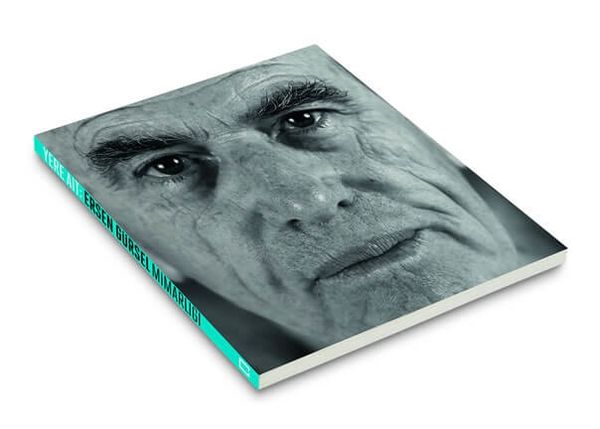
Belonging to the Place: The Architecture of Ersen Gürsel
Yazar: Ersen Güler
Brand: Mimarlar Odası Yayınları
Basım Tarihi: Aralık 2017
Basım Dili:
Sayfa Sayısı: 300Boyut: 24.0 x 24.0 cm
In stock
9786050110975
Product Description
Ersen Gürsel's career, which began when he won the Side and Surroundings Tourism Planning International Competition in 1969, has always focused on understanding and seeking the spirit of the "place." His design model is a unique conceptual model based on thinking about structures not as singular monuments but as integrated with the urban, historical, and natural environment. This path was shaped by starting his design work in Side and encountering the two-thousand-year history of the Mediterranean, which in a sense has become a timeless accumulation. In later years of his profession, he would experience the process of enriching the intellectual infrastructure of this conceptual model. In this context, Gürsel's designs always revolve around the concepts of "time and timelessness" and "history and space" around the place and time; he re-searches them, re-tests them, creates images, deconstructs them, re-creates them, and generates symbols. He questions time, seeks timelessness, connects times, and perhaps, withdraws. This model of seeing and thinking, which began in his early works, exemplifies the difficult line of reviving past settlement patterns in his memory and designing spontaneity without falling into affectation. What is truly important is the existence of a structure that, almost as if it doesn't want to declare itself designed, appears spontaneous. His subsequent designs are works that elevated Gürsel's architectural concept to a higher level of consciousness. His habit of pursuing environmental data transforms into a collaboration, an increasingly passionate attention, turning the clock tower in the square, the old and ruined chapel, the five cypresses of the cemetery, the centuries-old monumental pine tree, or the ancient lighthouse into immortal images, while creating a chess game between "what exists" and "what is new," and evokes the dreams and meticulousness of a designer who never forgets, "like olives, dreamy pomegranate trees, small rural gods."
- Afife Batur
