
Urban Utopias in the Twentieth Century
1,190.00TL
1,700.00TL
%30 İndirimli
Yazar: Robert Fishman
Brand: Arketon Yayınları
Basım Tarihi: Şubat 2024
Basım Dili: ["Turkish"]
Sayfa Sayısı: 296Boyut: 23.5 x 15.5 cm
In stock
9786259443126
Product Description
Urban Utopias in the Twentieth Century, now at Arketon!
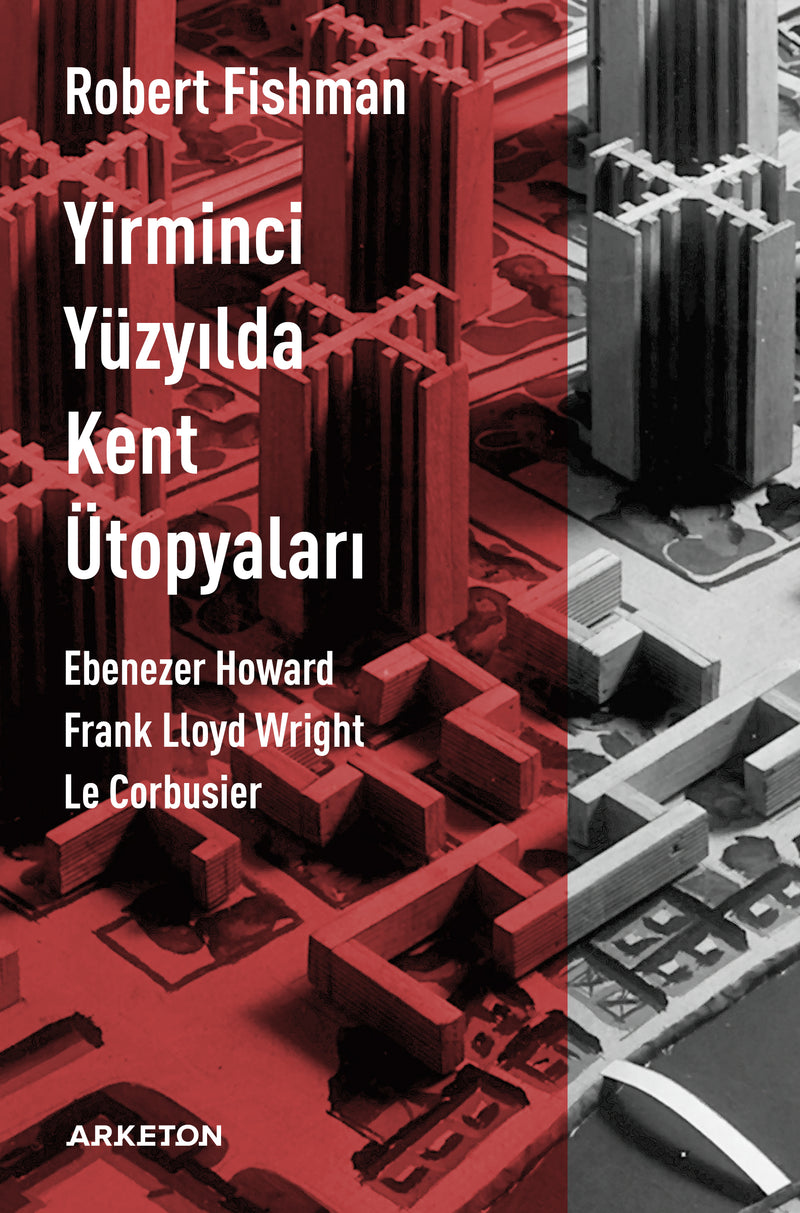
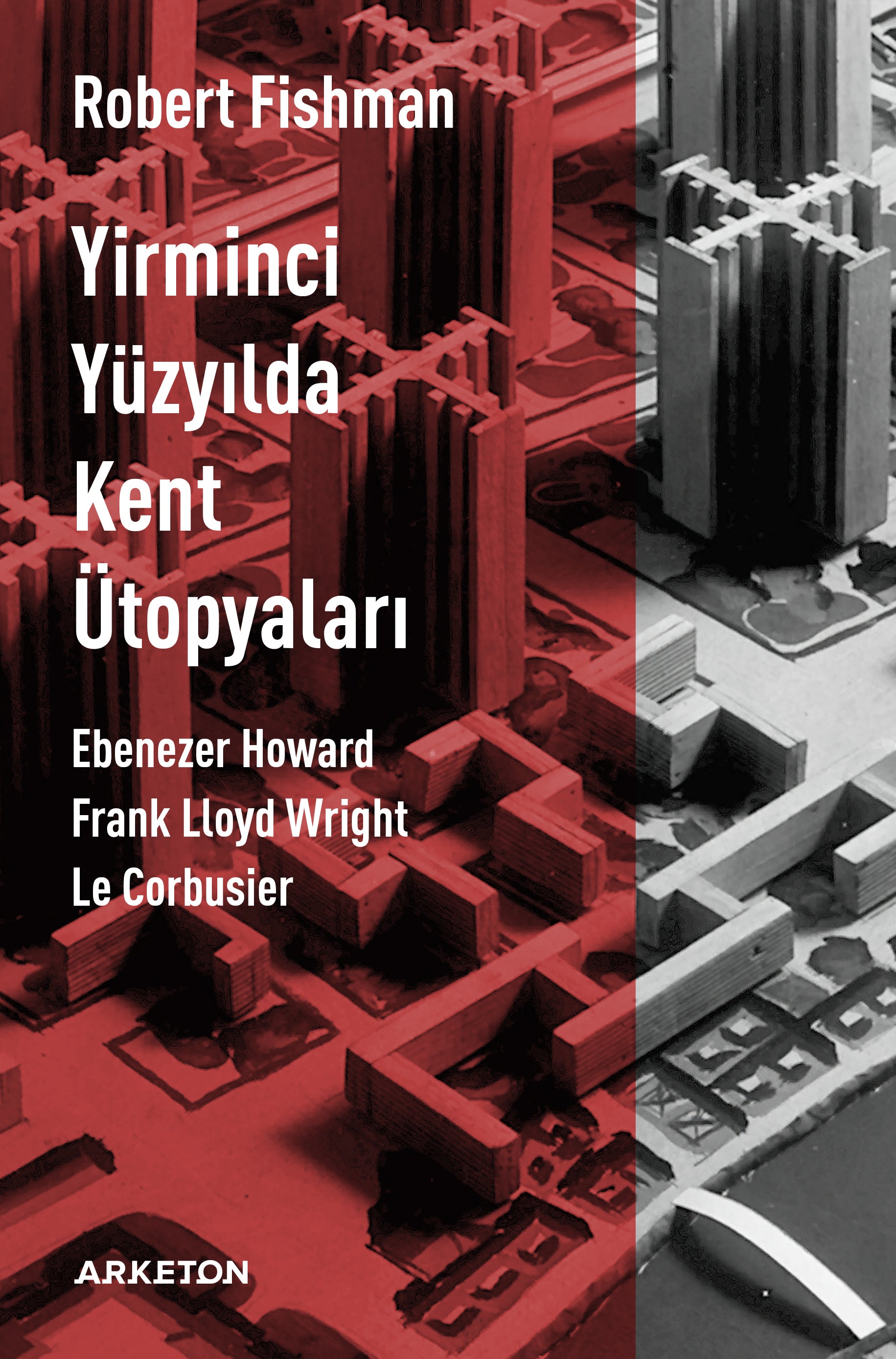
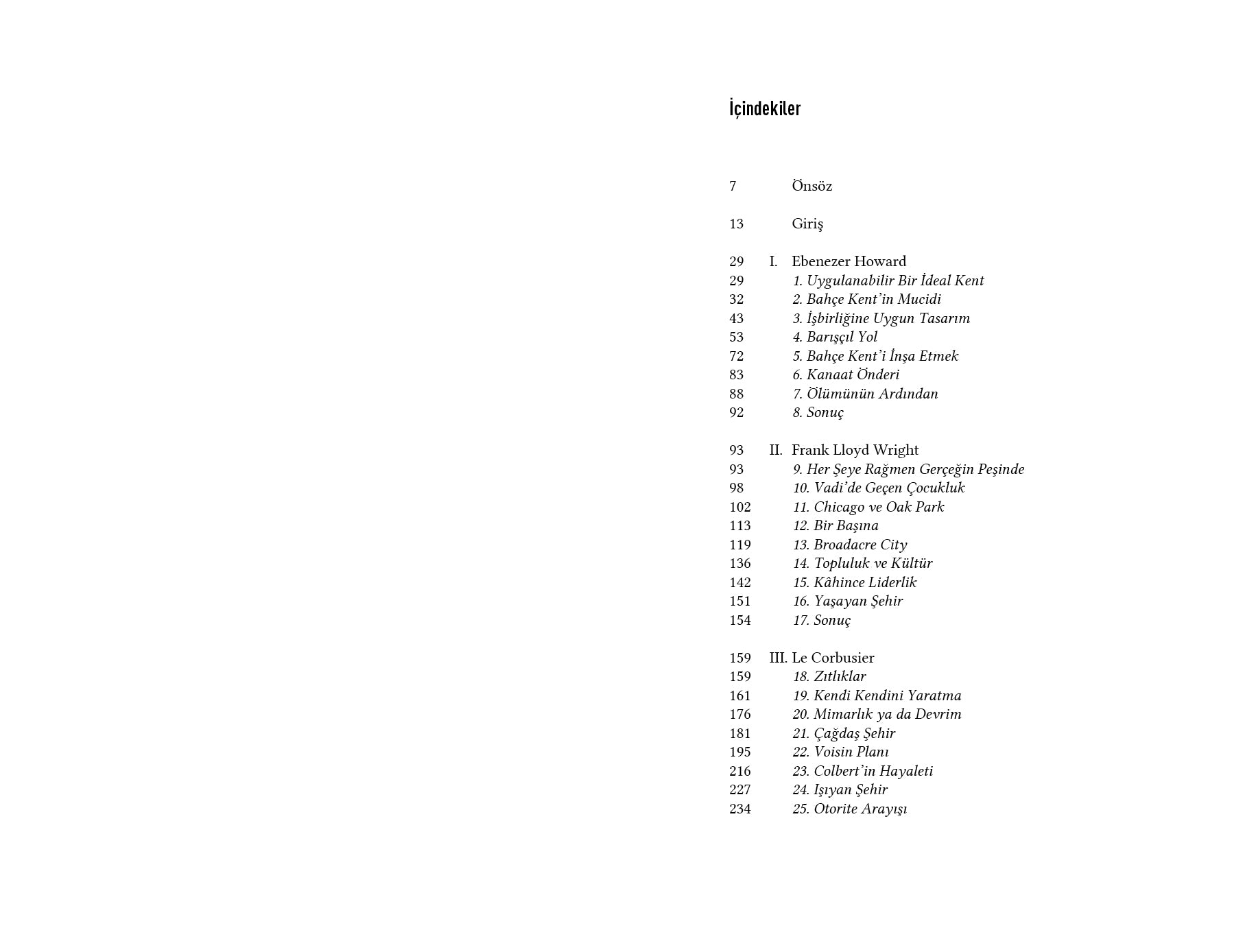
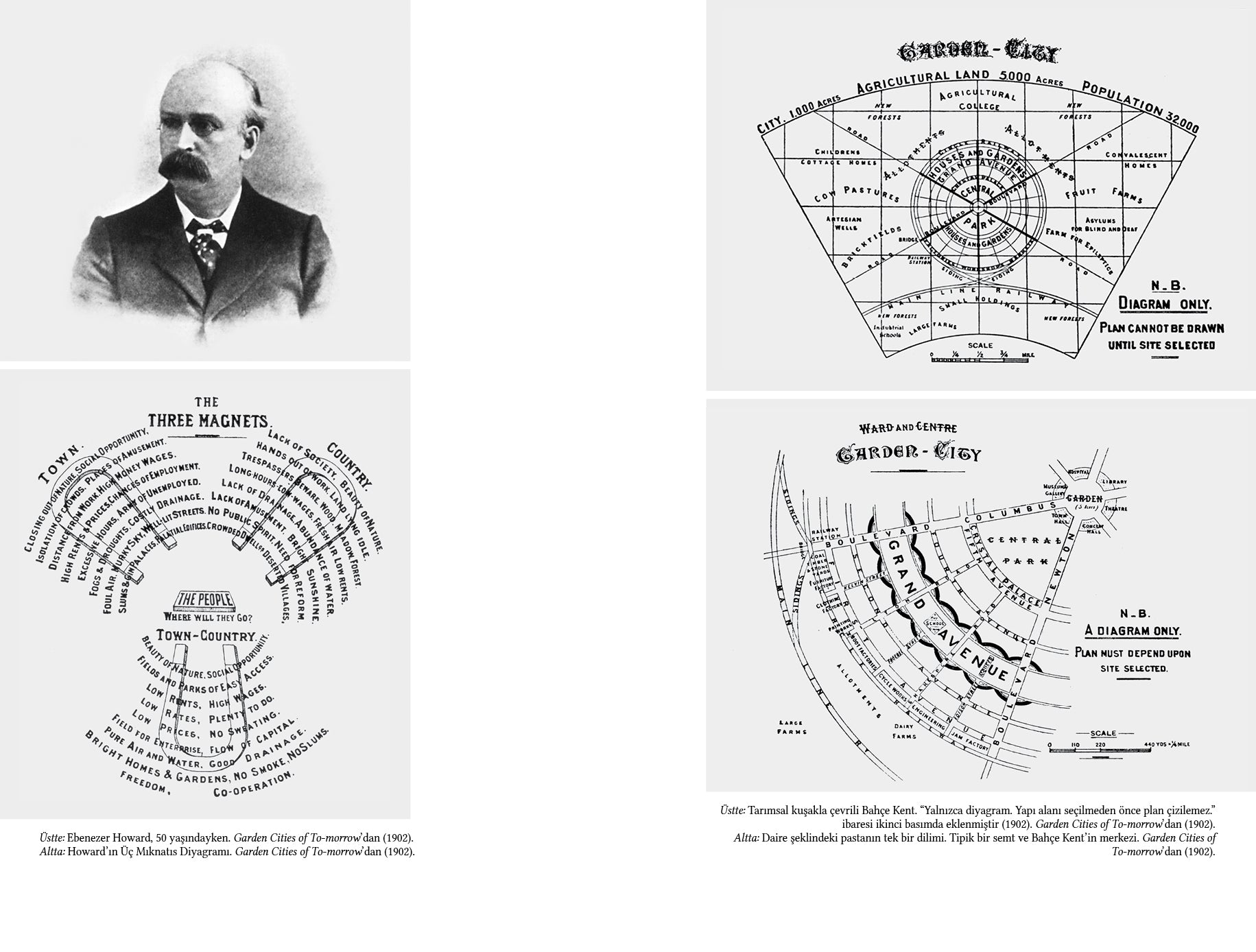
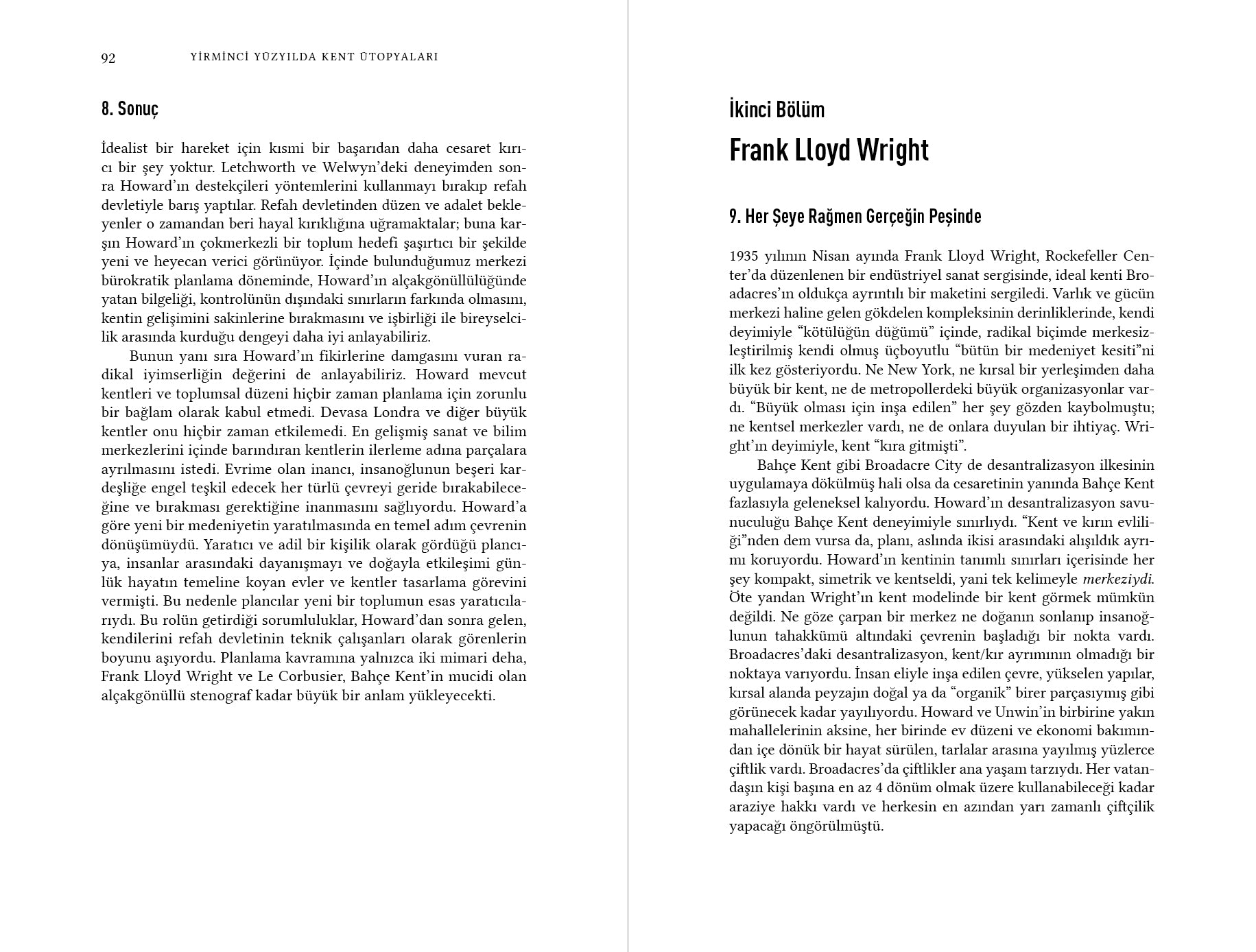
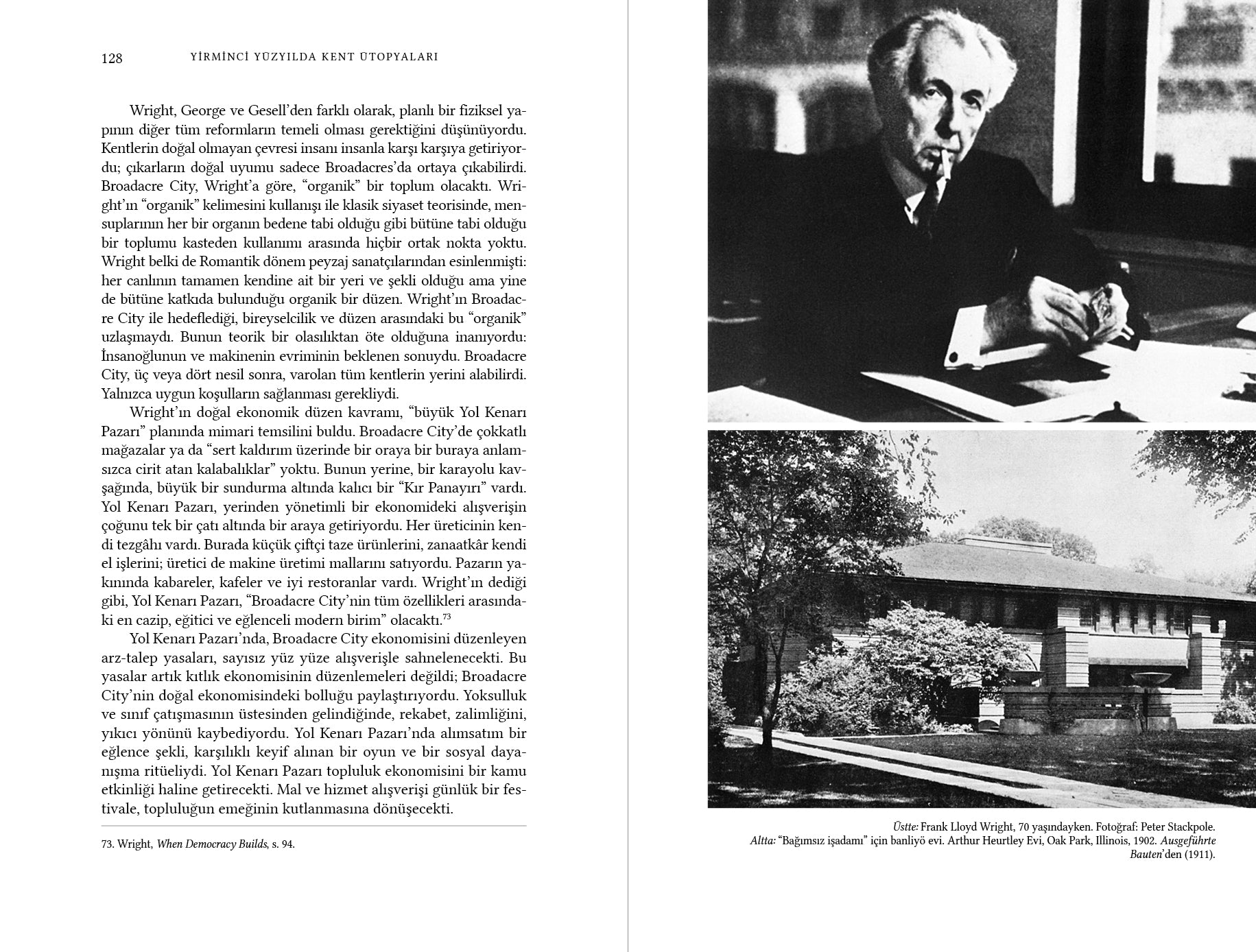
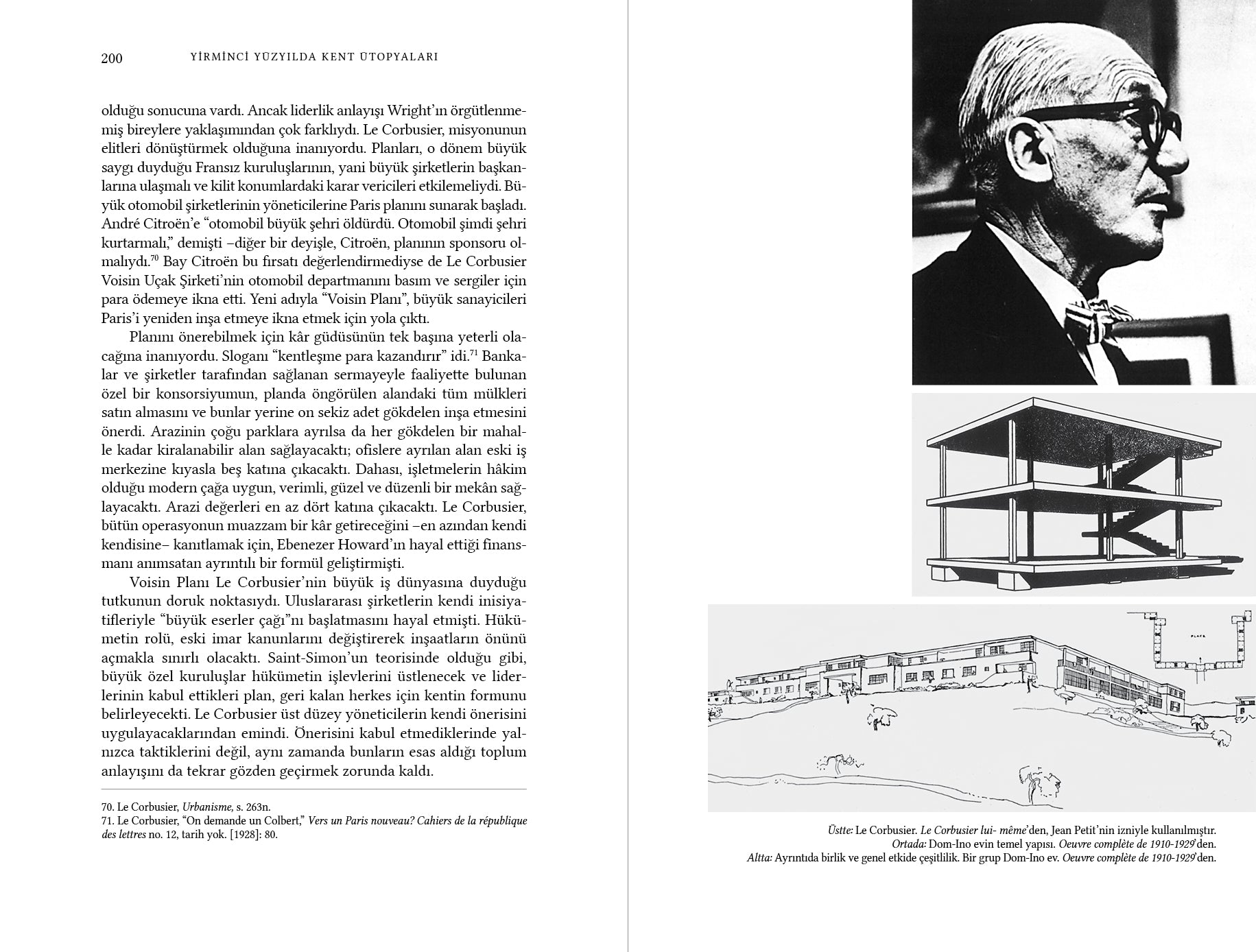
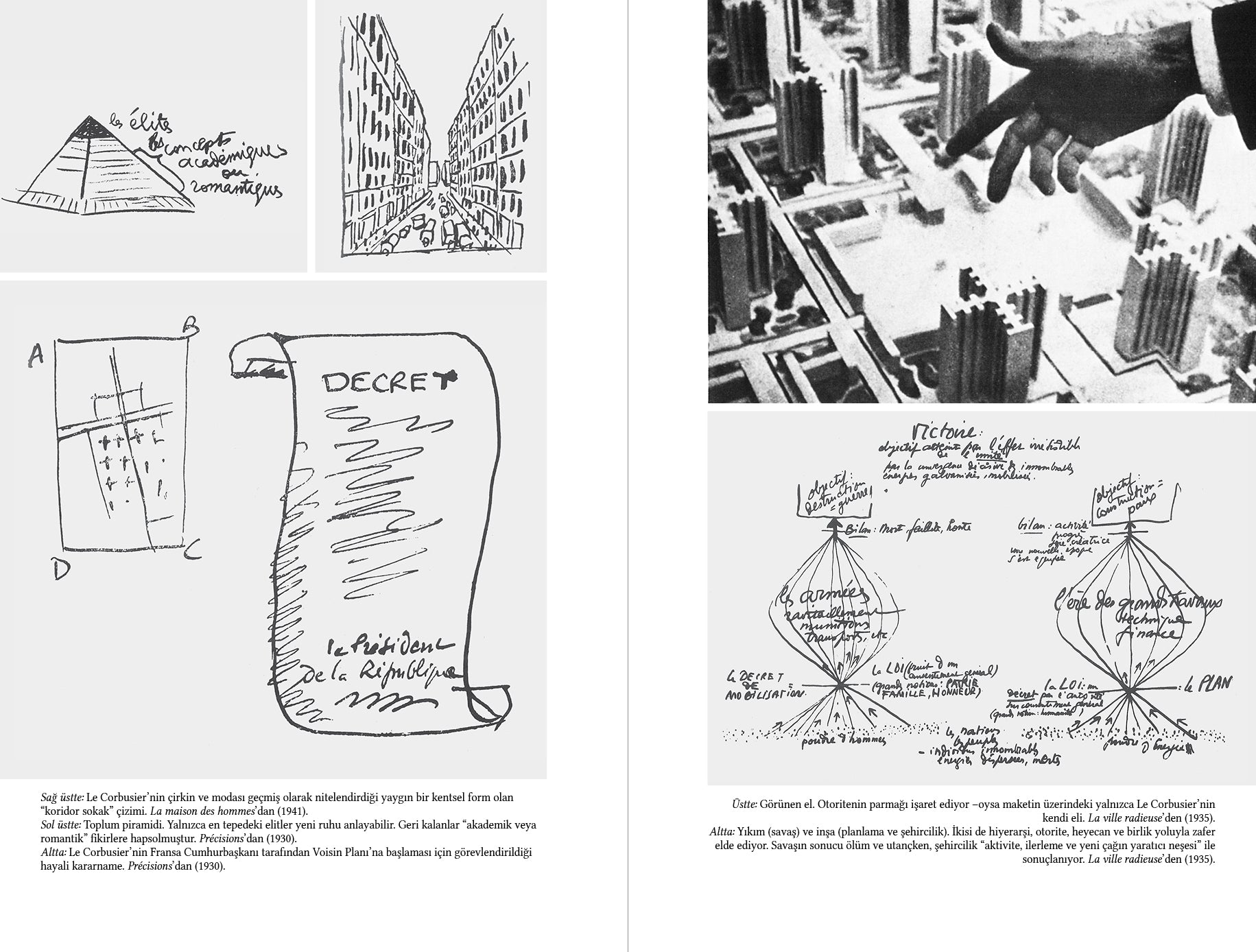
Robert Fishman's book, titled Urban Utopias in the Twentieth Century, has joined Arketon Publications with Duygu Toprak's translation. Urban Utopias in the Twentieth Century, translated into Turkish under the general editorship of Aykut Köksal, examines the ideal city designs of Ebenezer Howard, Frank Lloyd Wright, and Le Corbusier.
What kind of city is the ideal twentieth-century city, best reflecting the power and beauty of modern technology and the most enlightened ideas about social justice? Robert Fishman examines how three planners, Ebenezer Howard, Frank Lloyd Wright, and Le Corbusier, tried to answer this question between 1890 and 1930. Each of these planners, starting their work alone, produced hundreds of models and drawings that covered the new city in every aspect, from its general plan to the layout of its living room. The detailed plans they prepared for factories, office buildings, schools, parks, and transportation systems were innovative designs in themselves, integrated with a revolutionary restructuring of urban form.
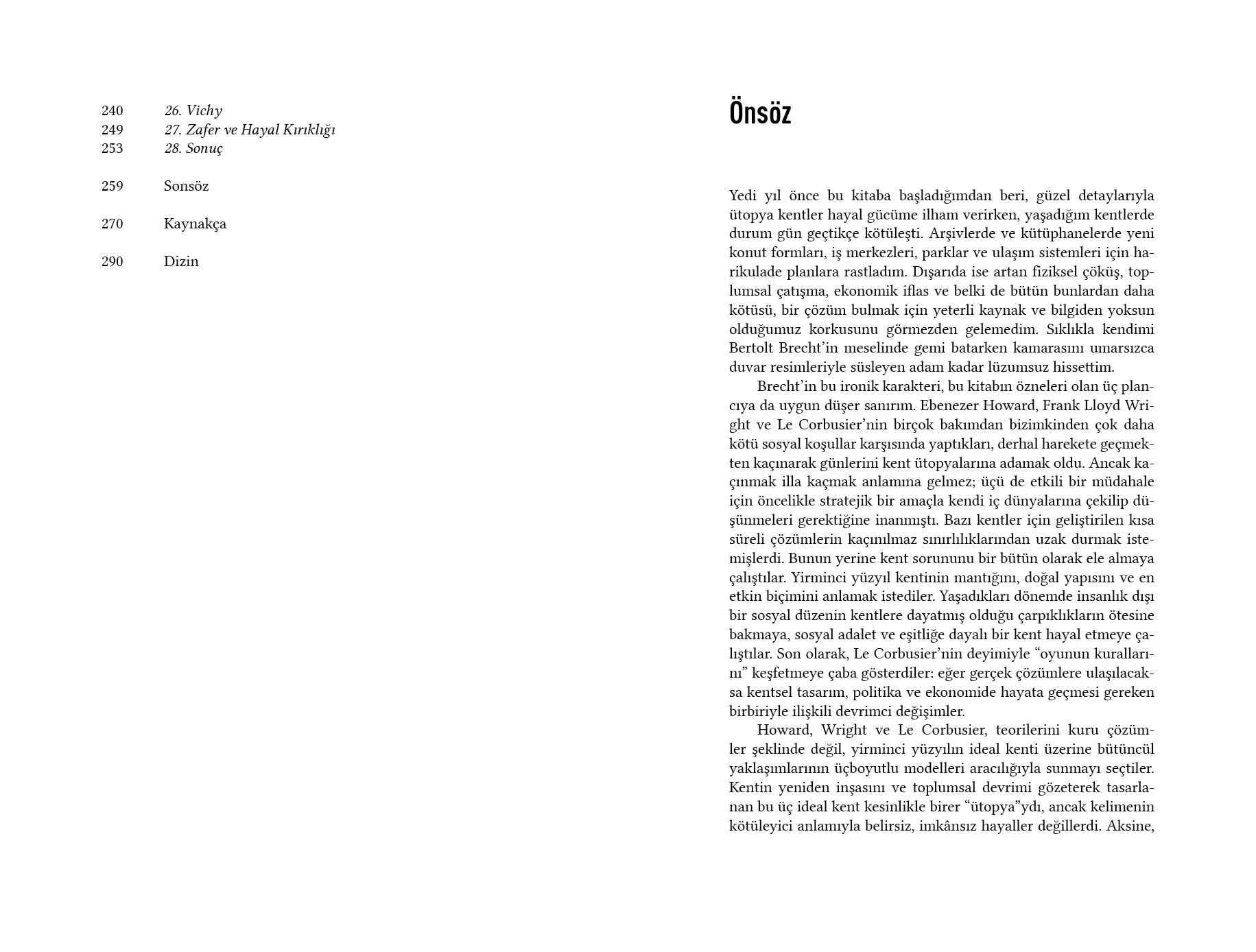
Howard, Wright, and Le Corbusier believed that societies needed new cities. They greatly feared the consequences for civilization if old cities, adrift in social conflict and misery, were left to their own devices. At the same time, they were inspired by the idea that a radical rebuilding of cities would solve not only the urban crisis of their time but also the social crisis. The holistic design of their ideal cities reflected their belief that it was time to create comprehensive programs and thoroughly reflect on the principles of urban planning. They rejected the possibility of gradual reform. Their goal was not to improve old cities, but to completely transform the urban environment.
In his work titled Urban Utopias in the Twentieth Century, Robert Fishman explores this extraordinary journey of the three planners in all its dimensions.
Robert Fishman's book, titled Urban Utopias in the Twentieth Century, has joined Arketon Publications with Duygu Toprak's translation. Urban Utopias in the Twentieth Century, translated into Turkish under the general editorship of Aykut Köksal, examines the ideal city designs of Ebenezer Howard, Frank Lloyd Wright, and Le Corbusier.
What kind of city is the ideal twentieth-century city, best reflecting the power and beauty of modern technology and the most enlightened ideas about social justice? Robert Fishman examines how three planners, Ebenezer Howard, Frank Lloyd Wright, and Le Corbusier, tried to answer this question between 1890 and 1930. Each of these planners, starting their work alone, produced hundreds of models and drawings that covered the new city in every aspect, from its general plan to the layout of its living room. The detailed plans they prepared for factories, office buildings, schools, parks, and transportation systems were innovative designs in themselves, integrated with a revolutionary restructuring of urban form.
Howard, Wright, and Le Corbusier believed that societies needed new cities. They greatly feared the consequences for civilization if old cities, adrift in social conflict and misery, were left to their own devices. At the same time, they were inspired by the idea that a radical rebuilding of cities would solve not only the urban crisis of their time but also the social crisis. The holistic design of their ideal cities reflected their belief that it was time to create comprehensive programs and thoroughly reflect on the principles of urban planning. They rejected the possibility of gradual reform. Their goal was not to improve old cities, but to completely transform the urban environment.
In his work titled Urban Utopias in the Twentieth Century, Robert Fishman explores this extraordinary journey of the three planners in all its dimensions.
